Standpipe System Monitoring Technology for Reliable Readiness
Quick Answer: Modernizing standpipe systems with standpipe system monitoring technology helps facilities catch problems early, reduce downtime, and document compliance with less guesswork. Remote insights also support faster repairs and better water flow performance across industrial, retail, and commercial sites. When paired with expert standpipe system service, monitoring becomes much more than a dashboard. It becomes a practical way to keep readiness visible instead of mysterious.
For facilities that also need cleaner signal visibility across life safety equipment, coordinated fire alarm service can fit naturally into the bigger readiness plan. That matters because one problem in isolation is annoying, but several hidden problems at once are how long afternoons suddenly become very long evenings.
Why Remote Monitoring Improves Standpipe Performance
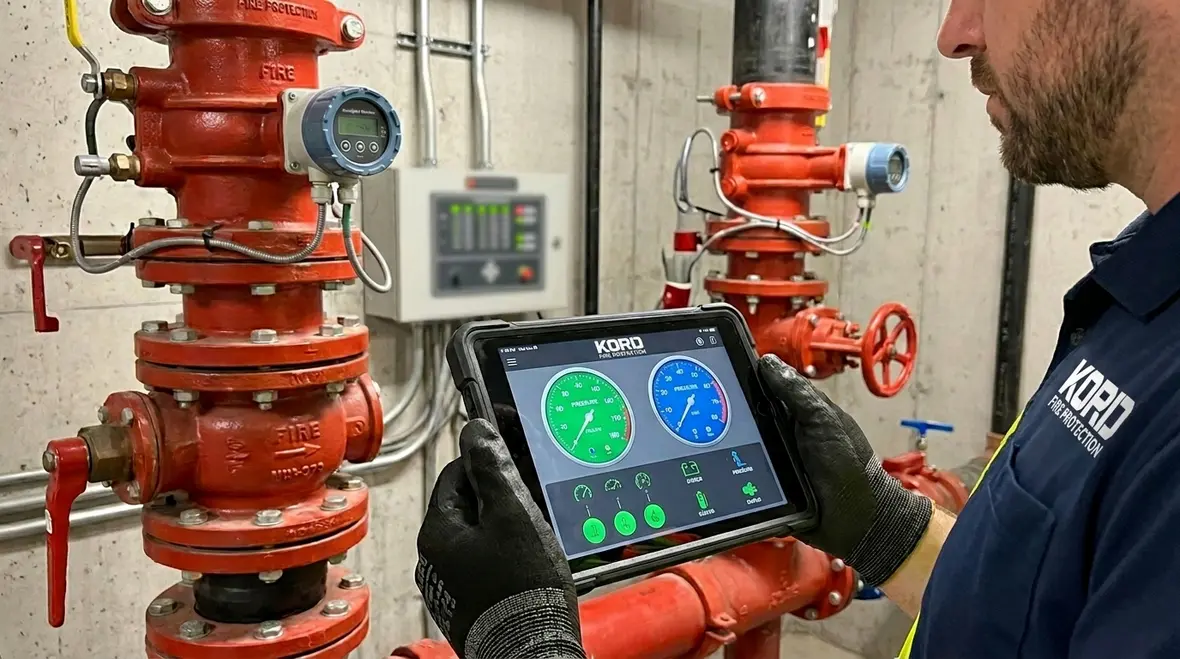
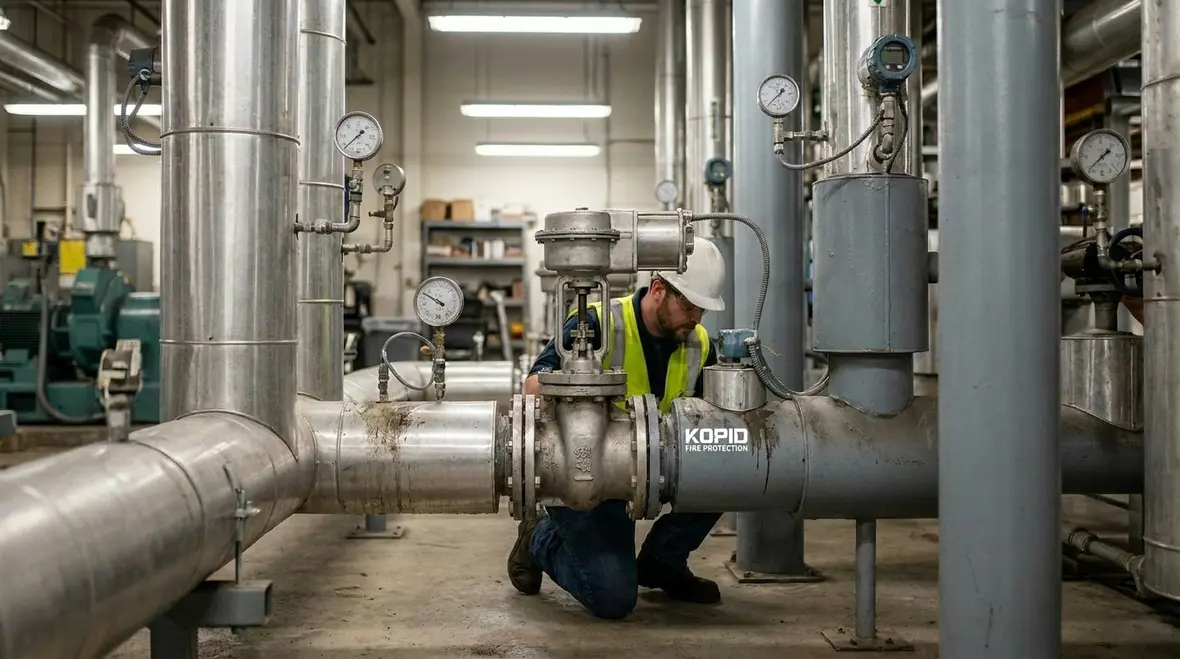
In the first place, a standpipe system does not fail politely. It waits until the exact moment a building needs it most. However, with standpipe system monitoring technology, facility teams can watch key signals in real time instead of relying on after the fact reports. The modern approach helps operators spot pressure dips, flow issues, valve concerns, and unusual usage patterns before they become emergency calls.
Moreover, remote visibility turns maintenance into a planned activity. As a result, teams can schedule inspections when they make sense, not when the calendar magically lines up with the next breakdown. And yes, it means fewer surprise troubleshooting missions that feel like a bad sequel to a movie nobody asked for.
Readiness Becomes Visible Instead of Assumed
That is the real shift. Traditional service routines still matter, but monitoring fills the long quiet gaps between visits. If pressure trends start wandering, if a supervisory condition appears, or if controller behavior looks odd, teams are not left guessing whether the system is healthy. They can see the story unfold in the data and act before a minor issue graduates into a full blown headache with paperwork attached.
What Data Should Facilities Track in Standpipe Systems
To get value, monitoring must focus on the right signals. Therefore, a strong program typically tracks hydraulic and operational indicators that relate directly to system readiness. When teams standardize the data points, they also reduce confusion during handoffs between contractors, service technicians, and building managers.
- Pressure and flow trends to confirm the system can deliver during demand
- Device status such as pump run signals, controller health, and sensor fault alerts
- Valve and actuator behaviour to detect sticking or improper positions
- Event logs that capture changes, alarms, and maintenance actions
- Water supply readiness to flag supply instability before it impacts performance
Then, facility teams can compare readings against expected ranges for each site. This matters because one property may have a straightforward riser arrangement while another has more moving parts, more occupancy pressure, and more opportunities for small problems to hide in plain sight. Consequently, monitoring supports site specific baselines instead of one size fits all assumptions.
Good Data Makes Handoffs Less Painful
When service teams rotate, owners change vendors, or internal maintenance staff shift responsibilities, a clean monitoring record prevents the familiar game of “who touched what and when?” Instead of relying on memory, teams can review status changes, alarm history, and trend patterns in one place. It is not glamorous, but neither is repeating the same diagnostic work three times because everyone inherited a different version of the story.
How Remote Alerts Reduce Downtime and Cost
Next, the real win shows up when alerts reach the right people quickly and clearly. For instance, a sensor reading that drifts out of range can trigger an alarm before a component fails. Instead of running “system check” after a complaint, teams can investigate during normal hours with parts staged ahead of time.
Additionally, remote monitoring supports better budgeting. Teams can forecast maintenance needs based on trends rather than guesswork. That helps them avoid the classic problem of buying the right part too late, or ordering the wrong part first, which is basically the costliest way to play darts. Remote reports also help contractors prove what changed, when it changed, and what action followed.
Faster Alerts Lead to Smarter Repairs
A useful alert is not just loud. It is specific. It tells teams what drifted, where it happened, and how urgent it appears to be. That kind of detail cuts wasted trips, reduces troubleshooting time, and improves coordination with outside fire protection specialists. In practical terms, the maintenance team arrives with context instead of optimism, and that usually ends better for everyone.
Maintaining Compliance with Better Records
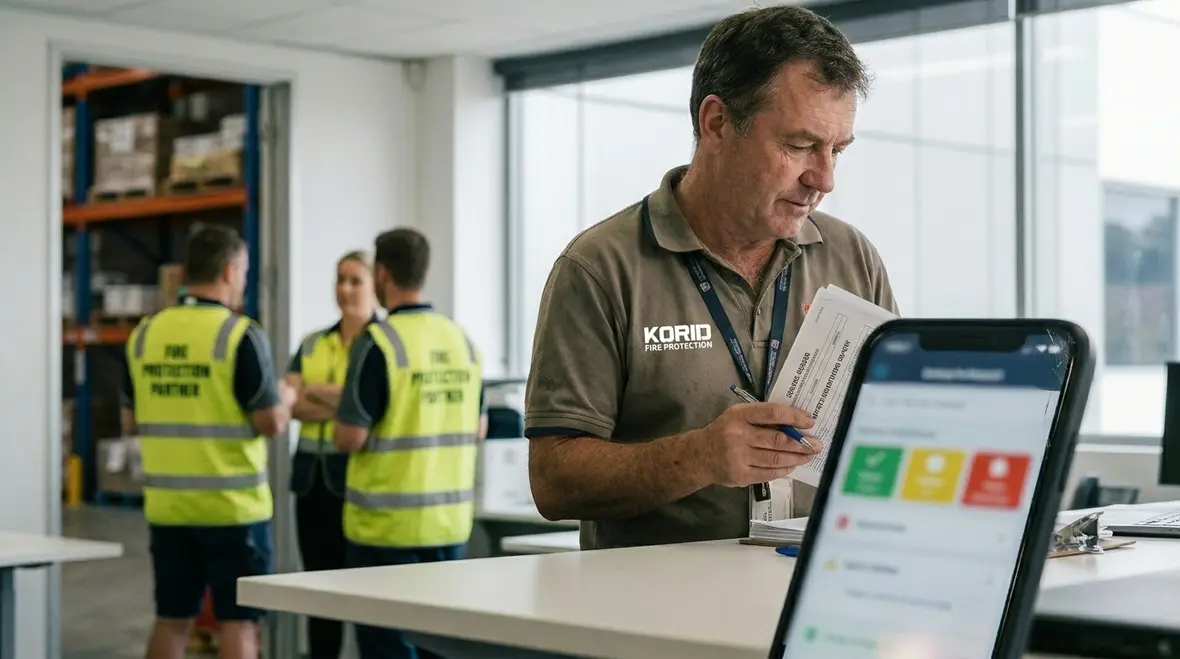
Facilities often face pressure to show clear service documentation. While inspections matter, proof matters too. Remote reporting creates a structured record of system health signals and event history, which strengthens compliance confidence.
As a result, maintenance teams can provide faster response evidence during audits or internal reviews. They can also demonstrate that monitoring supports the site’s ongoing readiness strategy. Moreover, consistent logs help reduce version confusion, especially when multiple trades support a single asset over time.
In addition, when reporting is organized, it makes training easier for newer staff. Consequently, operations teams spend less time explaining basics and more time acting on what the data says. Nobody misses the old method where the most critical history lived in three inboxes, a paper binder, and one person’s memory.
Integration with Fire Protection Services: Why Kord Fire Protection Fits
Modernizing a standpipe system rarely stays a one team job. It touches pipework, controllers, pump setups, valves, commissioning, and ongoing inspection routines. Therefore, it helps when a specialist fire protection partner can align the monitoring approach with real field experience.
That is where Kord Fire Protection can become a vital partner. Their dedicated Standpipe Systems service page highlights installation, inspection, maintenance, repairs, and upgrades, which makes it a natural fit for facilities planning a smarter monitoring approach. If a project also overlaps broader life safety coordination, Kord Fire’s full fire protection services page shows how sprinkler, alarm, and extinguisher support can be organized under one provider.
Moreover, a good partnership means fewer handoffs and fewer “it worked on our bench but not on yours” moments. In business terms, that translates to smoother jobs, quicker closeouts, and a higher chance the monitoring delivers practical value from day one. And honestly, nobody wants to be the person explaining why the alarms are loud but the system readiness is still unclear.
Deployment Steps for Industrial, Retail, and Commercial Sites
To roll out remote monitoring in a real environment, teams should follow a structured path. Then, they can avoid disruption while still achieving fast results. A solid deployment plan often includes the steps below:
- Site assessment to confirm system layout, device compatibility, and monitoring goals
- Data point selection to ensure each sensor or controller input maps to system readiness
- Hardware and controller integration so readings stay accurate under real conditions
- Commissioning and baseline setup to define expected ranges for each asset
- Alert rules and escalation paths so notifications reach the right roles
- Training and standard operating procedures for maintenance and operations teams
- Ongoing review to refine thresholds based on operational patterns
Additionally, they should plan monitoring for multiple building types. Industrial facilities may need stronger focus on pressure stability during process changes. Retail and commercial sites often need better scheduling windows to reduce disruption during business hours. Ultimately, the rollout must match site realities instead of forcing every property into the same operational template.
Start Small, Then Tighten the Rules
One of the smartest deployment choices is setting an initial baseline before making alert rules too aggressive. If every harmless fluctuation becomes an alarm, teams will ignore the system. If thresholds are tuned with actual site behavior in mind, the monitoring stays useful and credible. Reliable readiness is not just about collecting signals. It is about making sure the right signal earns the right response.
Where This Technology Delivers the Most Value
Not every facility benefits in the same way, and teams should prioritize the right sites first. For many owners and facility managers, the biggest value comes from assets that run with high occupancy, complex plant equipment, or frequent maintenance handoffs.
- Multiple trades work on the same life safety systems across time
- Downtime costs are high and later becomes expensive
- System complexity creates uncertainty during troubleshooting
- Water supply conditions vary and trend analysis matters
- Audit readiness and documentation become a frequent requirement
And yes, it also helps when teams want to stop treating maintenance like a mystery novel. They still do the work, just with evidence instead of clues scribbled on a sticky note. Facilities with repeated service turnover, busy tenant schedules, or narrow shutdown windows usually feel the benefits sooner because better visibility immediately removes friction from already complicated workflows.
What is the next step for a successful modernization?
Facilities should start with a site assessment and a clear list of performance goals. Then, they should map sensors and reporting to real operational needs, and confirm the escalation path for alarms. From there, the smartest move is usually partnering with a qualified provider that understands both the physical standpipe system and the service process required to keep the monitoring meaningful over time.
FAQ
Conclusion: Make Standpipe Readiness Predictable
Modernizing with remote monitoring helps facilities move from reactive troubleshooting to planned maintenance and stronger records. With standpipe system monitoring technology, teams can spot trends early, respond faster, and keep systems ready when duty calls. That shift improves visibility, reduces uncertainty, and gives everyone from operators to contractors a clearer picture of what the system is actually doing.
Kord Fire Protection can help align the upgrade with practical service and commissioning outcomes through its standpipe system services, broader fire protection support, and connected fire alarm service offerings. If owners want less downtime and more confidence, this is a smart time to plan the rollout and make readiness feel a lot less like guesswork.

Join Our Newsletter!
Get the latest fire safety tips delivered straight to your inbox From our Newsletter.