San Diego Commercial Fire Code Requirements Guide
In Southern California, where sunshine is abundant and risk never sleeps, san diego commercial fire code requirements shape how every commercial building operates. From beachfront restaurants to high rise office towers downtown, fire safety is not a suggestion. It is law. More importantly, it is protection for people, property, and peace of mind. Throughout this guide, Kord Fire Protection technicians explain what business owners need to know, why inspections matter, and how compliance protects more than just square footage. Because in San Diego, the only thing that should be sizzling is fish tacos, not your electrical panel.
Understanding San Diego Commercial Fire Code Requirements
The foundation of commercial fire safety in San Diego rests on the California Fire Code, as adopted and amended by the City of San Diego. However, local amendments often tighten rules to reflect regional risks such as drought, dense development, and coastal wind conditions. Therefore, building owners must look beyond general state rules and understand the local standards that apply specifically to their property.
Kord Fire Protection technicians often explain that compliance begins with occupancy classification. In other words, what the building is used for determines what safety systems are required. A warehouse storing paper goods faces different risks than a medical office or a nightclub. Consequently, each space must meet tailored fire protection measures.
Additionally, the code covers everything from fire alarm systems and sprinkler requirements to exit signage, fire resistant construction, and access for emergency responders. While it may sound like a mountain of regulations, it is actually a structured safety net. And like a good seatbelt, it only feels unnecessary until the moment it saves a life.
For owners juggling multiple locations across Southern California, a broader maintenance strategy also helps. Resources like Kord Fire’s Southern California fire protection maintenance guide keep inspection schedules and documentation aligned with evolving codes from San Diego to Santa Clarita.
Why local amendments matter for your specific building
Two buildings can sit on the same block and face very different code obligations. High-rise towers, mixed-use buildings, coastal hotels, and industrial sites each fall under different risk categories. San Diego’s local authorities use those categories to fine-tune requirements for sprinklers, alarms, fire department access, and even how you store ordinary combustibles. Partnering with a licensed fire protection contractor who understands these nuances is the fastest way to translate legal language into a clear punch list for your property.
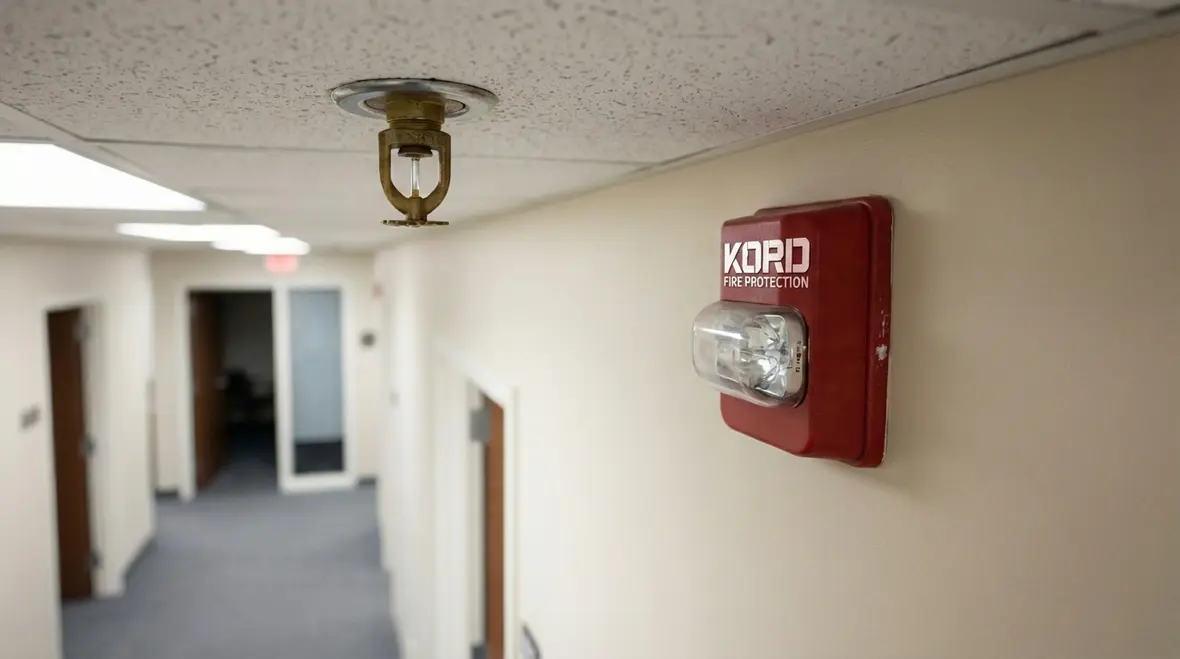
What Fire Protection Systems Are Required in San Diego Commercial Buildings?
Business owners often ask what systems they truly need. The answer depends on building size, occupancy, and fire load. Nevertheless, several core systems appear in most commercial structures.
Fire sprinkler systems
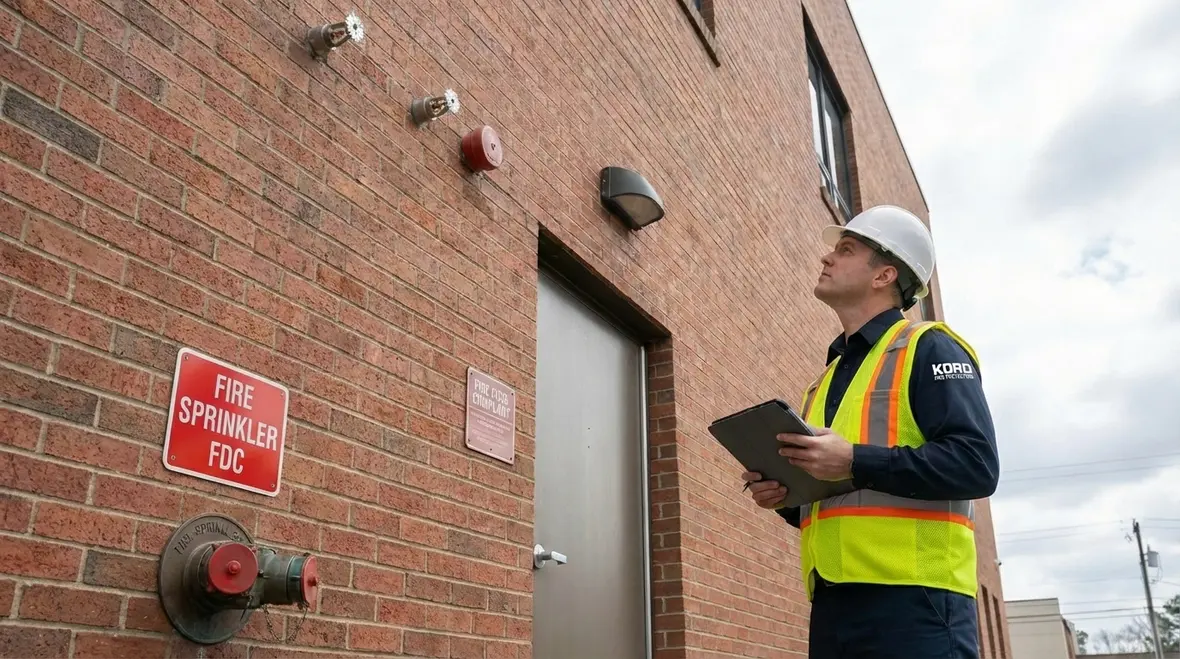
Fire sprinkler systems remain one of the most critical components. In many commercial occupancies, automatic sprinklers are mandatory. They must be professionally installed, regularly inspected, and tested according to National Fire Protection Association standards as adopted locally.
Fire alarm systems
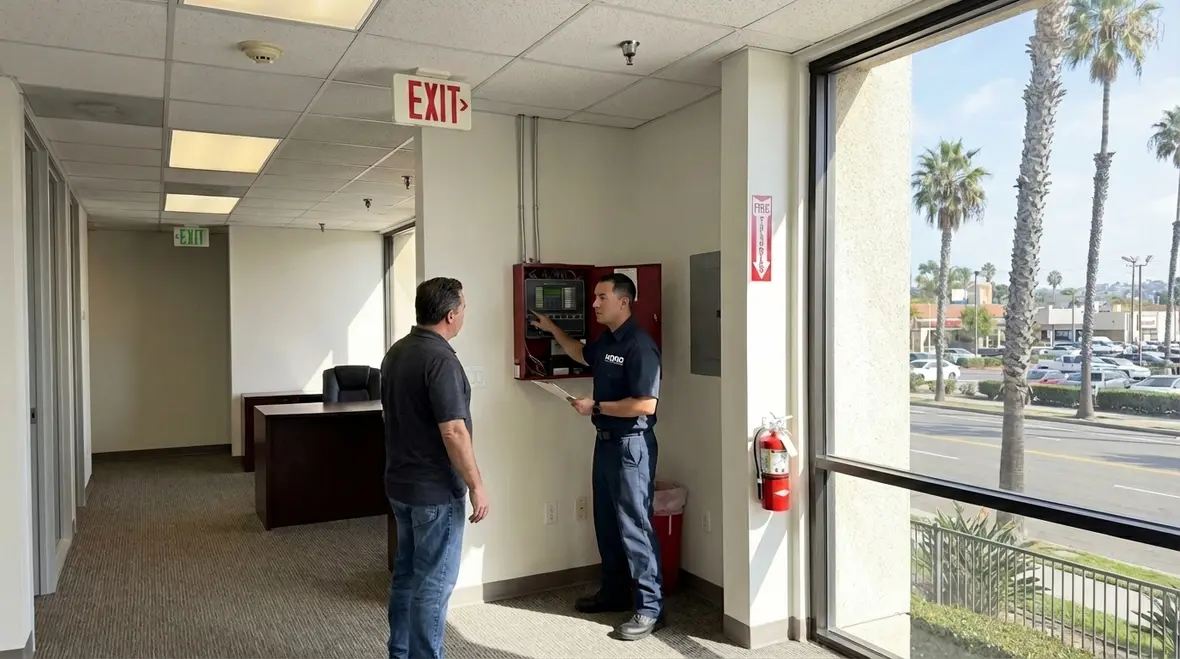
Fire alarm systems provide early detection and notification. These systems must include audible and visible alerts, especially in buildings open to the public. Furthermore, they must connect to approved monitoring services when required.
Portable fire extinguishers
Portable fire extinguishers are required throughout commercial spaces. Placement, size, and type depend on the hazards present. For example, a commercial kitchen requires Class K extinguishers specifically designed for grease fires. That office break room microwave mishap deserves respect.
Kord Fire’s dedicated fire extinguisher service & certification team helps businesses stay on top of monthly checks and annual service so those red cylinders on the wall are more than just décor.
Why inspections and documentation are non‑negotiable
Kord Fire Protection technicians emphasize routine inspections. Even the best system fails if neglected. Therefore, scheduled testing and documentation are not optional. They are part of the responsibility that comes with owning or managing commercial property in San Diego. Partnering with a full-service provider that offers end-to-end fire protection services ensures sprinklers, alarms, pumps, and extinguishers are all on the same compliance calendar instead of living in separate spreadsheets.

Inspection and Maintenance Expectations for Business Owners
Compliance does not end after installation. In fact, ongoing inspection and maintenance form the backbone of fire safety. San Diego authorities require documented testing at regular intervals. Consequently, business owners must maintain accurate records for review.
Sprinkler systems often require annual inspections, while certain components demand quarterly checks. Fire alarms may require monthly visual inspections and annual full testing. Additionally, fire extinguishers must undergo annual servicing by licensed professionals.
Kord Fire Protection technicians often compare maintenance to dental care. Skip it long enough, and something painful will eventually happen. However, consistent attention keeps systems reliable and avoids costly emergency repairs.
Moreover, fire department inspections may occur periodically or in response to complaints. Inspectors verify clear exit paths, proper storage practices, and working systems. Therefore, businesses should treat compliance as a daily habit rather than a once a year scramble.
Building a maintenance rhythm that actually sticks
A realistic maintenance plan blends what the code demands with how your team actually operates. Many Southern California businesses lean on recurring service programs for monthly inspections and annual service so deadlines don’t slip through the cracks between budget meetings and busy seasons.

AI Prompt Style Guide: What Does a Business Owner Need to Prepare for a Fire Inspection?
A business owner preparing for inspection should focus on organization, documentation, and visibility of safety features. First, ensure all fire protection equipment is accessible. Storage should never block extinguishers, pull stations, or electrical panels. Yes, even that stack of promotional brochures must move.
Second, confirm inspection tags and service reports are up to date. Inspectors will check dates and technician credentials. Consequently, keeping a dedicated compliance binder or digital folder saves time and stress.
Third, verify exit signs illuminate properly and emergency lighting functions during power loss. Additionally, confirm that exit routes remain clear and properly marked.
Kord Fire Protection technicians guide clients through mock inspections. This proactive approach allows businesses to correct issues before official visits. As a result, inspections become routine rather than nerve racking events.
San Diego-specific questions to ask your fire protection partner
- Does my building’s occupancy or size trigger any extra San Diego amendments beyond the base California Fire Code?
- Are my current inspection intervals aligned with NFPA standards and local enforcement practices?
- If I expand, change tenants, or add outdoor seating, what new fire protection requirements might appear?
- Can you provide a combined schedule for sprinklers, alarms, extinguishers, and pumps so I’m never guessing what’s due when?
Key Components of San Diego Commercial Fire Code Requirements
The scope of san diego commercial fire code requirements extends beyond alarms and sprinklers. It also includes building construction standards, fire department access, and operational permits.
For example, certain businesses require operational permits for hazardous materials, high piled storage, or commercial cooking operations. These permits ensure that added risks receive added oversight. Furthermore, fire lanes and apparatus access roads must remain unobstructed to allow emergency vehicles to respond quickly.
Fire resistant construction materials also play a role. Walls, floors, and ceilings may need specific fire resistance ratings depending on occupancy and building height. Consequently, renovations must align with approved plans and permits.
System or Feature Typical Requirement
Sprinkler Systems Required in most multi tenant and larger buildings with annual inspections
Fire Alarms Required in public and higher risk occupancies with monitoring in many cases
Extinguishers Strategically placed and serviced annually
Emergency Lighting Must activate during power failure and be tested regularly
Operational Permits Needed for hazardous materials, commercial kitchens, and special uses
Although this table offers a snapshot, each property requires a detailed evaluation. Therefore, professional guidance remains invaluable.
Renovations, Tenant Improvements, and Code Triggers
Change is exciting. New tenants, upgraded interiors, expanded operations. However, renovations often trigger updated fire protection requirements. Even minor layout changes can affect exit travel distance, sprinkler coverage, or alarm device placement.
When walls move, sprinklers and detectors may need relocation. Additionally, increasing occupant load may require wider exits or additional alarms. Consequently, property owners should consult fire protection professionals before beginning construction.
Kord Fire Protection technicians regularly coordinate with contractors and architects. They review plans, identify code impacts, and help prevent costly redesigns. Because nothing slows a grand opening faster than a failed inspection the day before launch. That is the business equivalent of tripping on stage at the Oscars.
Planning ahead for smoother approvals
Loop your fire protection contractor into conversations early—at the concept stage, not the final walkthrough. They can flag when an added storage mezzanine, new hood system, or expanded outdoor seating might trigger plan review or additional permits. In markets like San Diego where enforcement is active, this foresight keeps your timeline realistic and your budget under control.
Common Compliance Mistakes and How to Avoid Them
Even responsible businesses can overlook small details. Unfortunately, small details often lead to citations.
One frequent issue involves blocked exits. Deliveries arrive, storage space runs tight, and suddenly an exit door hides behind inventory. However, exit access must remain clear at all times.
Another common mistake includes expired inspection tags. Although the system may function perfectly, outdated documentation signals non compliance. Therefore, tracking service dates proves essential.
Improper storage of flammable materials also raises red flags. Cleaning supplies, fuels, and certain chemicals require approved containers and spacing. Additionally, electrical panels must maintain clear working space.
Kord Fire Protection technicians educate staff during walkthroughs. They explain not only what the code requires but why it matters. As a result, employees become active participants in safety rather than passive observers.
Simple habits that keep you inspection‑ready
- Add fire protection checks to your opening and closing procedures.
- Train new hires on extinguisher locations, exit routes, and alarm basics.
- Walk high-risk areas weekly—kitchens, storage rooms, loading docks—to catch creeping clutter.
- Schedule recurring visits with a trusted San Diego partner like Kord Fire so “annual inspection” doesn’t become “we’ll get to it someday.”
FAQ About Commercial Fire Code Compliance in San Diego
Protecting Lives, Property, and Business Continuity
Fire codes exist for one clear reason. They save lives. Yet they also protect investments, reputations, and business continuity. By understanding local standards, maintaining systems, and preparing for inspections, commercial property owners build resilience into their operations.
Kord Fire Protection technicians stand ready to explain requirements, perform inspections, and guide businesses through compliance with calm expertise. From downtown towers to coastal retail, their San Diego fire protection services keep local properties aligned with current code and ready for unannounced inspections.
Schedule a professional assessment today and ensure your building meets every standard with confidence. You can start with a full-service review of sprinklers, alarms, extinguishers, and pumps through Kord Fire’s comprehensive fire protection services and then stay on track with a maintenance plan tailored to your specific San Diego occupancy.
Because peace of mind is good for business, and safety never goes out of style, especially in a city where the views are beautiful, the tacos are hot, and your fire code compliance should be just as dependable.
Know Your Weapon Before You Fight the Flame
Kord Fire Protection is your go-to when it comes to all things fire protection. For over 20 years, we’ve been serving Southern California with the quality service and equipment to keep your home or business safe at all times. Our competitive prices reflect our unwavering commitment to protecting what matters most in the event of a fire emergency. Give us a call, send an email, or use that form!

Join Our Newsletter!
Get the latest fire safety tips delivered straight to your inbox From our Newsletter.