
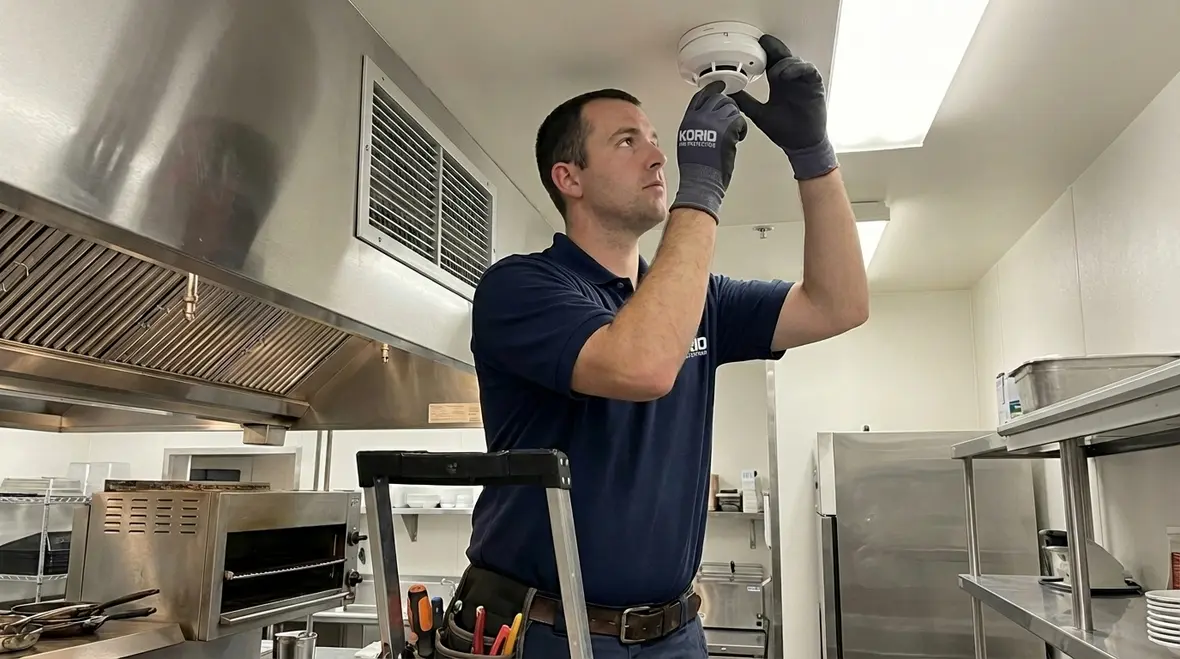
Reduce False Fire Alarms with Proper Placement
Reducing False Alarms Through Correct Device Placement and Maintenance
Every building has a story. Some tell tales of productivity and growth. Others, unfortunately, tell stories of 2 a.m. fire alarms triggered by burnt popcorn. For property owners and facility managers, the mission is clear: reduce false fire alarms without compromising safety. Because while safety systems must stay alert, they should not cry wolf every time someone discovers the limits of a microwave.
False alarms cost time, money, and trust. They disrupt business operations, strain emergency services, and eventually condition occupants to ignore real warnings. Fortunately, the path to fewer false alerts begins with something simple yet powerful: correct device placement and consistent maintenance. As Kord Fire Protection technicians often explain, most nuisance alarms are preventable when systems are designed and maintained with precision.
Let us walk through how this works and why it matters.
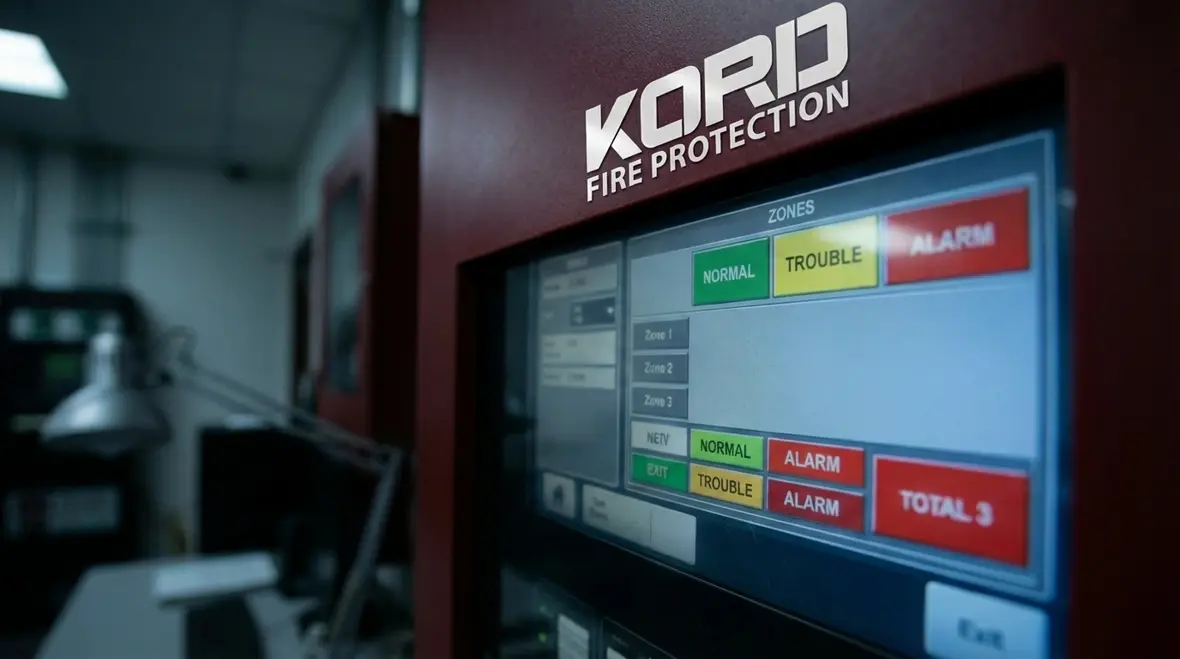
Why False Fire Alarms Happen More Than People Think
False alarms rarely come from faulty intentions. Instead, they come from poor planning, aging components, or environmental interference. Smoke detectors installed too close to kitchens, restrooms, or loading docks often react to steam, dust, or exhaust fumes. Heat detectors placed near HVAC vents may sense sudden temperature shifts and interpret them as danger.
Moreover, construction dust, aerosol sprays, humidity, and even insects can interfere with sensors. Yes, even a tiny spider can bring a building to a standstill. It is the smallest villains that cause the biggest drama.
However, many facilities assume equipment failure is to blame. In reality, improper placement accounts for a significant portion of nuisance alarms. Kord Fire Protection technicians frequently demonstrate how environmental factors trigger devices long before flames ever appear. Once managers understand this, they can make smarter adjustments and may even combine placement improvements with scheduled fire alarm inspections and testing to keep everything performing as designed.
Human impact: the “cry wolf” problem
Each false alarm teaches occupants one dangerous lesson: “It’s probably nothing.” When that mindset settles in, even a real emergency might not trigger fast evacuation. Reducing nuisance alarms is not just about convenience; it is about preserving the credibility of every signal your system sends.

How Should Fire Alarm Devices Be Positioned to Minimize False Triggers?
Proper placement is both science and strategy. Fire alarm devices must follow code requirements, but they also must respect real world conditions inside the building.
1. Keep detectors away from everyday “trouble zones”
First, smoke detectors should not sit directly beside kitchens, break rooms, or bathrooms. Steam and cooking vapors travel quickly. Instead, technicians position detectors at safe distances while still maintaining code compliant coverage.
2. Respect air flow and HVAC patterns
Second, air flow matters. HVAC vents can push smoke away from detectors or blow dust directly into them. Therefore, devices should avoid direct air streams. A detector fighting against ventilation is like a lifeguard trying to swim upstream. It works harder and misses what matters.
3. Match device type to ceiling height and structure
Third, ceiling height and structure affect performance. High ceilings require beam detectors or specialty devices. Installing a standard detector in a warehouse with a thirty foot ceiling is like whispering in a stadium and expecting everyone to hear it.
Kord Fire Protection technicians often conduct on site assessments before recommending adjustments. They measure air movement, humidity levels, and occupancy patterns. As a result, systems become smarter and far less prone to nuisance alarms.
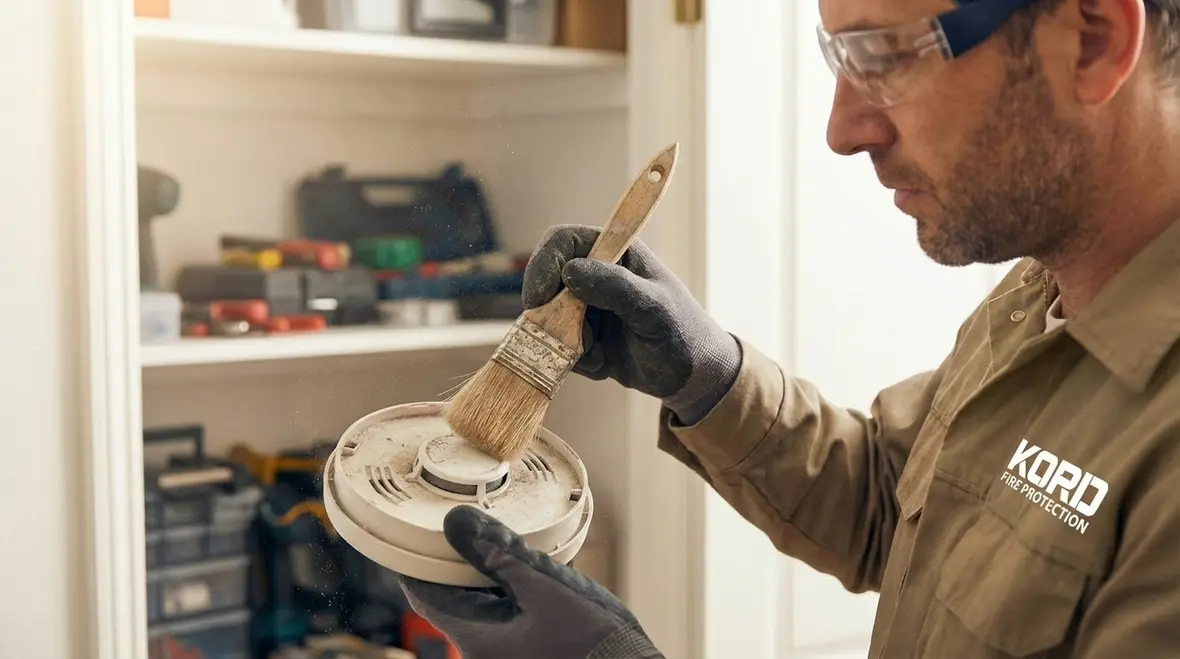
The Critical Role of Routine Maintenance in Reducing False Alarms
Placement sets the stage. Maintenance keeps the show running smoothly.
Dust buildup inside a detector chamber can scatter light and mimic smoke particles. Over time, sensitivity drifts. Batteries weaken. Wiring connections loosen. Consequently, devices become unpredictable.
Regular inspections clean sensors, recalibrate sensitivity, and confirm communication with the control panel. Additionally, technicians test devices using approved methods to ensure proper response times. These steps help reduce false fire alarms while preserving rapid detection for real emergencies.
Kord Fire Protection technicians often explain that maintenance is not just a regulatory requirement. It is risk management. A neglected system may produce repeated nuisance alarms, which can lead occupants to ignore alerts. When that happens, safety suffers.
Furthermore, consistent maintenance creates documentation. In the event of an incident, service records show diligence and compliance. That paper trail can be just as valuable as the hardware itself and can be supported by partnering with a team that specializes in fire alarm maintenance and monitoring.
Common Placement Mistakes and How Professionals Correct Them
Many buildings share the same avoidable errors. Fortunately, each one has a practical solution.
Typical Issues and Professional Solutions
- Issue: Smoke detector installed near cooking appliances
Solution: Relocate device farther from vapor sources and consider heat detection where appropriate - Issue: Detector placed directly under HVAC supply vent
Solution: Move detector outside direct airflow path to ensure accurate sampling - Issue: Dust heavy industrial environment
Solution: Install specialized detectors designed for harsh conditions and increase cleaning frequency - Issue: High ceiling open warehouse
Solution: Use beam detection or aspirating systems for better coverage
These adjustments may seem small. However, their impact is significant. When Kord Fire Protection technicians walk clients through these corrections, they often compare it to adjusting a microphone. Move it an inch, and the feedback disappears.
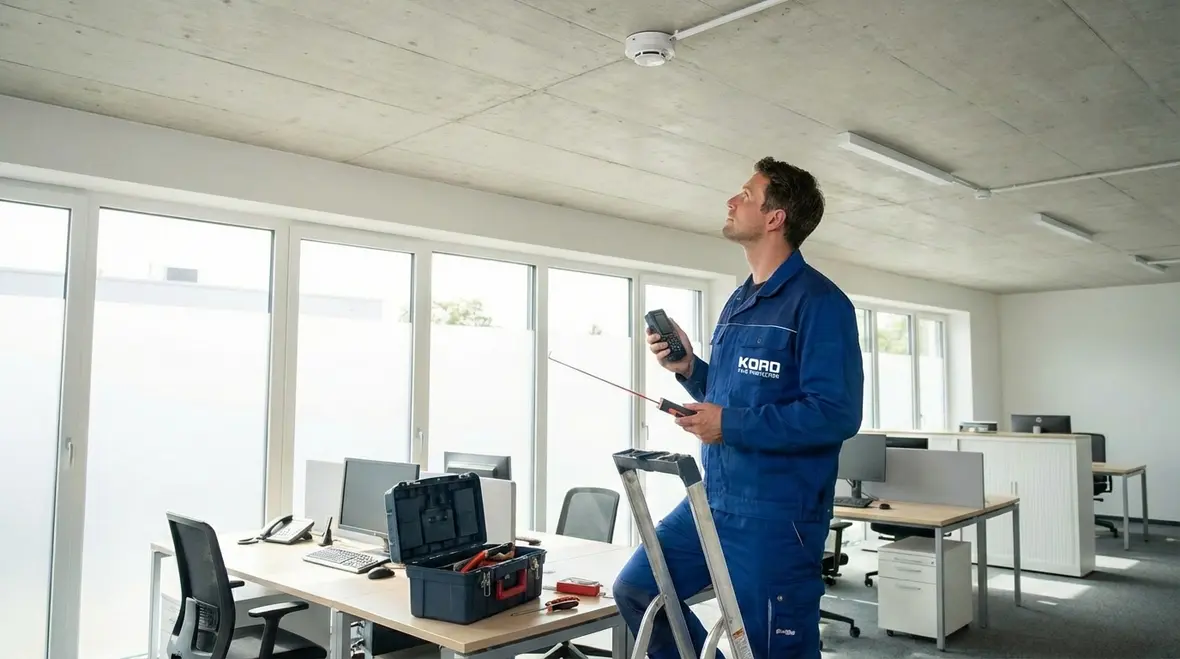
Environmental Factors That Interfere With Alarm Accuracy
Buildings are living systems. They breathe, heat up, cool down, and collect particles from daily operations. Consequently, environmental conditions influence detector performance more than many expect.
Humidity can condense inside devices. Temperature swings can create sensor instability. Renovation projects fill the air with fine dust. Even seasonal changes affect performance.
Therefore, facility managers should coordinate with fire protection professionals before major construction or layout changes. Temporary protective covers, recalibration, or temporary relocation may be necessary. Otherwise, a simple remodeling project could trigger a wave of unwanted alarms.
In addition, communication between departments plays a key role. When maintenance teams plan painting or sanding work, informing fire system technicians prevents accidental activations. A little coordination saves a lot of embarrassment when fire trucks arrive for what turns out to be drywall dust.
What Maintenance Schedule Best Helps Reduce False Fire Alarms?
The most effective schedule follows national codes and manufacturer guidelines. However, high activity environments may require more frequent attention.
At minimum, facilities should conduct:
- Monthly visual inspections of panels and visible devices
- Quarterly functional testing in high traffic or high dust areas
- Semiannual or Annual comprehensive inspections and sensitivity testing
Kord Fire Protection technicians tailor schedules based on occupancy type. For example, restaurants, manufacturing plants, and schools often need closer monitoring due to environmental variability. Meanwhile, climate controlled office spaces may operate effectively under standard intervals.
Importantly, technicians document every visit. This ensures accountability and provides insight into recurring patterns. If one zone repeatedly triggers alerts, professionals investigate root causes instead of simply resetting the panel and hoping for the best. Hope is not a maintenance strategy.
Technology Upgrades That Support Smarter Detection
Modern systems now include multi criteria detectors that distinguish between smoke, heat, and environmental particles. These advanced devices analyze patterns before signaling an alarm. As a result, they help reduce false fire alarms while maintaining fast response times.
Addressable systems also pinpoint exact device locations. Therefore, troubleshooting becomes faster and more precise. Instead of inspecting an entire floor, technicians identify the specific detector involved.
Some systems integrate monitoring software that tracks sensitivity drift and contamination levels. When thresholds approach limits, the system flags maintenance needs early. This proactive approach prevents nuisance alarms before they occur.
Kord Fire Protection technicians often guide clients through upgrade options that balance budget and performance. While technology cannot replace proper placement and maintenance, it certainly strengthens the overall strategy.
Building a Culture That Prevents Nuisance Alarms
Equipment matters. However, people matter just as much.
Staff training reduces accidental triggers. Clear policies around cooking appliances, aerosol use, and renovation procedures make a difference. Additionally, educating occupants about reporting minor issues early prevents bigger problems later.
For instance, if an employee notices a detector hanging loosely or sees repeated trouble signals on a panel, reporting it immediately allows technicians to intervene quickly. Small actions prevent larger disruptions.
Moreover, leadership should treat alarm integrity seriously. When management prioritizes proper fire system care, the entire organization follows suit. Culture, after all, shapes outcomes.
FAQ About Reducing False Fire Alarms
Conclusion: Precision Today Prevents Panic Tomorrow
False alarms may seem harmless, but over time they erode trust and waste resources. Proper device placement, routine maintenance, and professional oversight work together to create dependable protection. Kord Fire Protection technicians stand ready to assess systems, correct weaknesses, and strengthen reliability.
Now is the time to act. Schedule a professional evaluation and ensure your fire alarm system responds only when it truly matters. If you are looking for comprehensive support that includes alarms, sprinklers, and more, explore Kord’s full fire protection services or connect directly with their fire alarm service team to start reducing false alarms across your facility.
Know Your Weapon Before You Fight the Flame
Kord Fire Protection is your go-to when it comes to all things fire protection. For over 20 years, we’ve been serving Southern California with the quality service and equipment to keep your home or business safe at all times. Our competitive prices reflect our unwavering commitment to protecting what matters most in the event of a fire emergency. Give us a call, send an email, or use that form!

Join Our Newsletter!
Get the latest fire safety tips delivered straight to your inbox From our Newsletter.


