Proactive Fire Pump Power Monitoring to Reduce Downtime
Quick Answer: Proactive fire pump power monitoring reduces downtime by catching electrical and drive issues before they grow into failures. By tracking current, voltage, motor temperature trends, and control cabinet alarms, facilities can schedule fixes during planned windows. With emergency fire pump service from kord fire protection, response times improve when real issues appear.
When fire protection systems wait until something breaks, downtime becomes the quiet villain of the day shift and the night shift. So, for industrial, retail, and commercial facilities, proactive fire pump power monitoring is not just a smart move, it is a dependable one. And when the unexpected still happens, the emergency fire pump service team from kord fire protection steps in with the experience and urgency facilities need. Because sometimes the system can warn you early, and sometimes it needs a steady hand right now. Either way, the goal stays the same: keep fire protection ready, not “almost ready.”
Near the top of any strong protection strategy, it also helps to connect this effort with broader full fire protection services so monitoring, testing, repairs, and response all work together instead of acting like distant relatives at a family barbecue. And for facilities reviewing connected systems, Kord also offers fire alarm service systems that fit naturally into a more complete readiness plan.
Why fire pump power monitoring stops downtime before it starts
Fire pumps typically fail for reasons that build over time. Corrosion inside a starter, a loose connection in a control cabinet, a degrading power cable, or a motor that slowly drifts out of spec can all create trouble long before the pump trips on demand. Then, when a test or a real event happens, the system reacts under pressure, not with patience.
Power monitoring helps by measuring what the pump does electrically, not just what it does mechanically. For example, a normal start has a predictable current draw pattern. If the current spikes higher than expected, then the monitoring system flags it. If the current rises more slowly or lingers longer, then that points to issues in the motor circuit or control logic. As a result, maintenance teams can investigate while the facility still controls the schedule, not after a failed run forces emergency work.
In short, proactive monitoring shifts fire pump work from reactive “fire drill” mode to planned, controlled work. And yes, that means fewer “we’ll get to it after hours” situations. Those are great for movies. Not so great for real life.
What data a system should track in the power chain
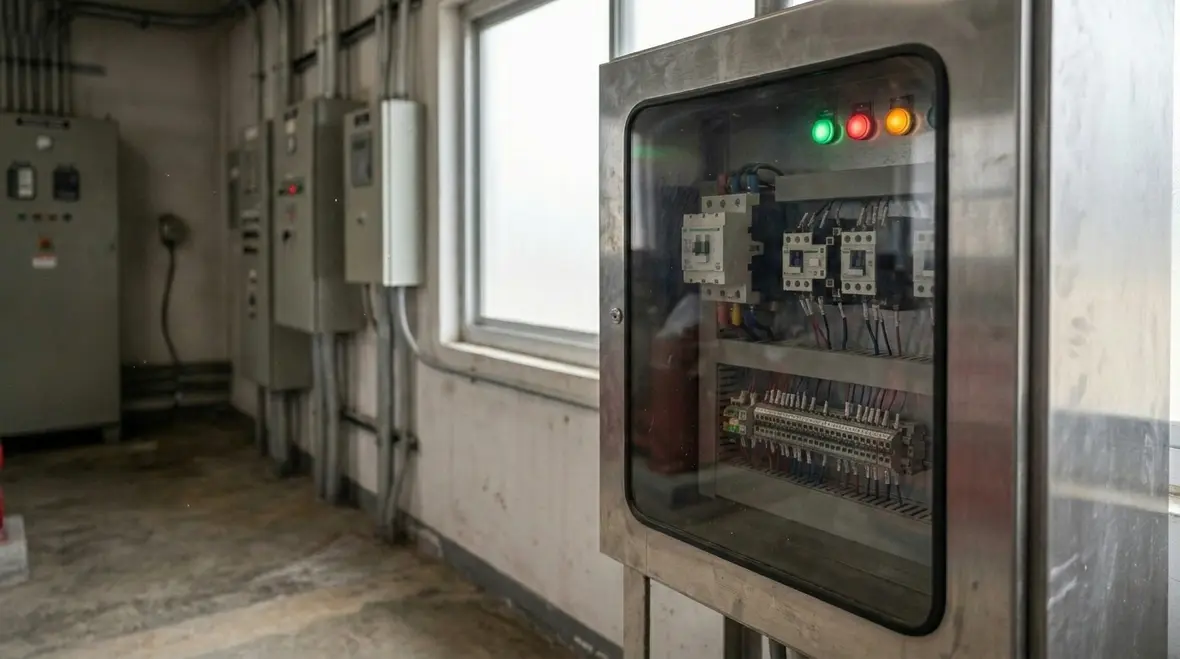
To reduce downtime effectively, monitoring must watch the full power path, not just one spot. A good program considers the electrical journey from incoming supply to the motor starter and into the pump motor. That wider view matters because faults are rarely polite enough to show up exactly where people hope they will. They wander, they hide, and they usually wait for the worst possible moment to introduce themselves.
Key signals to monitor
- Voltage stability: Any drop during start can stress starters and affect pump performance.
- Starting and running current: Deviations can indicate bearing wear, misalignment, phase imbalance, or electrical resistance changes.
- Phase balance: Uneven phases often appear as higher vibration and uneven heat, then they escalate into trips.
- Control cabinet events: Alarm codes, contactor chatter, and undervoltage warnings tell a story before failure.
- Motor and drive temperature trends: Heat buildup usually signals friction, lubrication issues, or electrical load problems.
- Run-time verification: Confirms the pump actually performed the way it should during tests.
However, data alone does not prevent downtime. Teams need thresholds, time windows, and clear actions. For instance, a one time odd reading might be noise. But a recurring current pattern after each test becomes a maintenance trigger. Therefore, the monitoring plan must connect measurements to specific inspection steps and spare parts planning.
This is the part where smart facilities separate useful monitoring from digital clutter. If every tiny fluctuation creates an alert, people stop taking alerts seriously. If thresholds are tuned around the site’s normal behavior, the system becomes practical, believable, and much less likely to cry wolf before lunch.
How early electrical clues lead to smarter maintenance planning
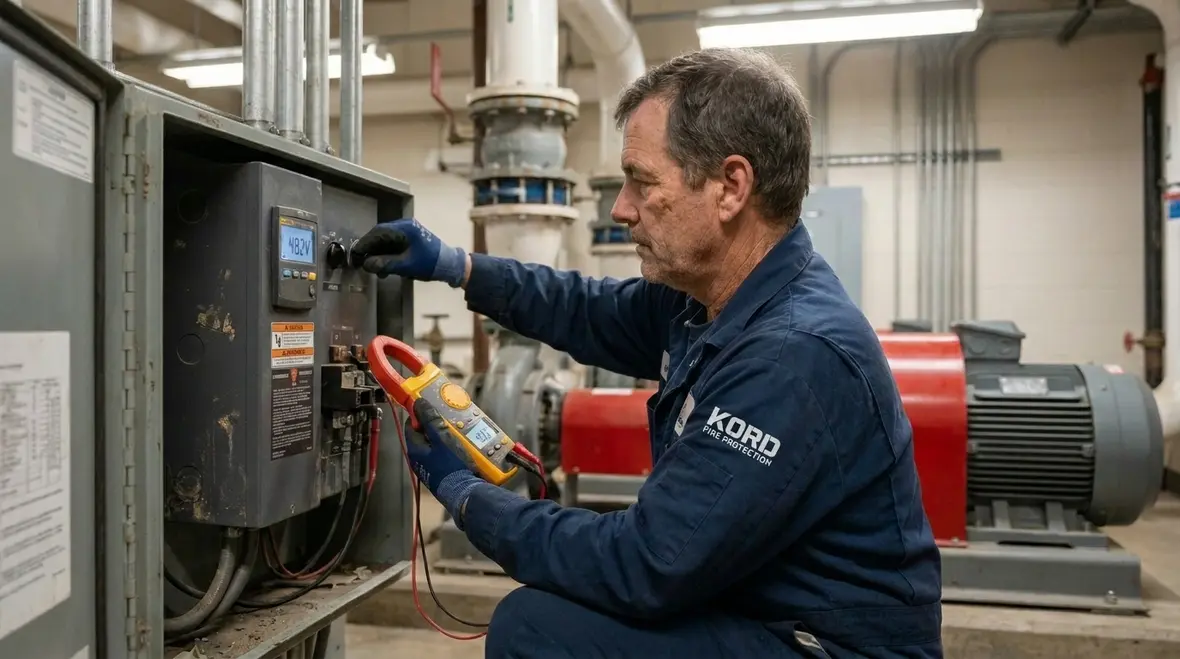
Once the monitoring system starts collecting trends, facilities gain a practical advantage. Instead of treating each alarm like a standalone problem, teams can build cause and effect. Then they can plan service with the right resources. That shift sounds simple, but in day to day operations it can be the difference between a tidy scheduled repair and a chaotic scramble involving too many phone calls and not enough answers.
How early clues translate into maintenance actions
- Repeated starter current spikes: Often points to contactor wear or an insulation issue in the motor circuit. Technicians can inspect and replace before it causes a hard trip.
- Phase imbalance drift over time: Suggests a connection problem or cable degradation. That becomes a scheduled tightening, cleaning, or cable test.
- Temperature rise during test cycles: Indicates friction, pump impeller drag, misalignment, or cooling airflow problems in the cabinet area.
- Undervoltage warnings: Triggers a review of upstream supply, switchgear health, and emergency power readiness.
Additionally, proactive monitoring improves spare parts planning. If the monitoring history shows a trend toward a specific component type, then maintenance can stock the right items and reduce “waiting for parts” downtime. In facilities, downtime costs money faster than a leaked tap in a pub bathroom. It does not need to be dramatic to be expensive.
It also helps vendors and in house teams speak the same language. Instead of saying the pump “seemed odd” last week, staff can point to actual current profiles, temperature trends, or cabinet warnings. That makes approvals easier, diagnostics faster, and repair planning far less dependent on whoever happens to remember the last test.
Where monitoring fits into compliance and testing routines
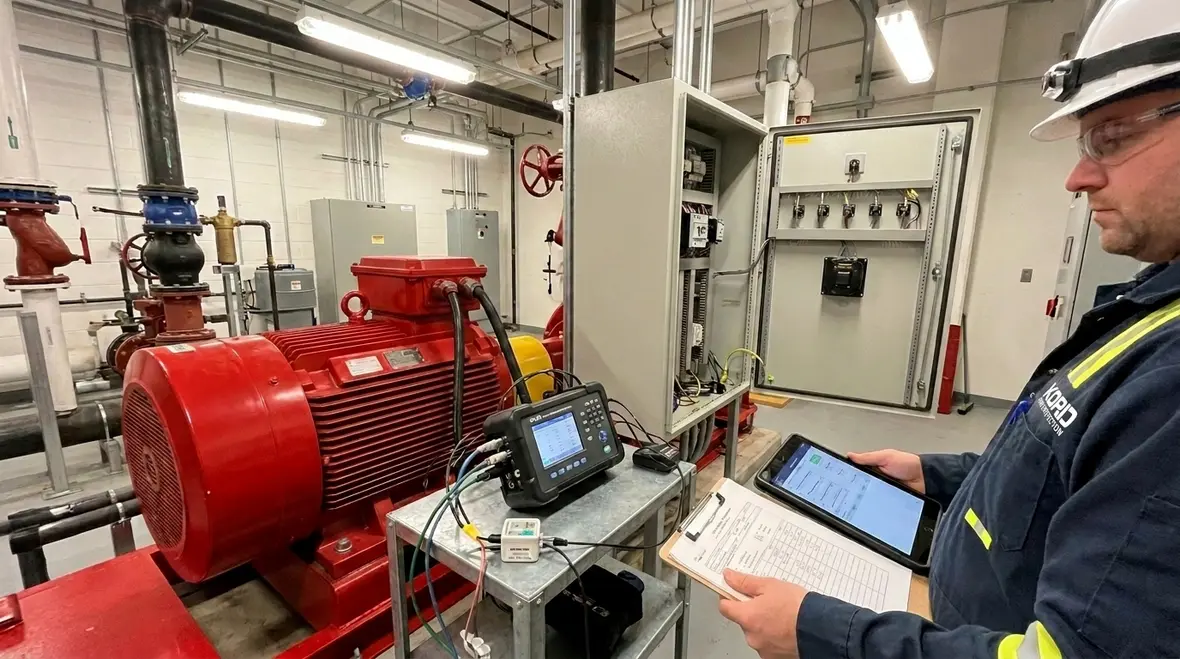
Many facilities run periodic fire pump tests. Monitoring should strengthen those routines, not complicate them. When power monitoring runs alongside tests, it provides a verified electrical baseline for normal operation.
For example, during planned tests, the system can capture start signatures and running performance signals. Then, it can compare results to the baseline established for that site. If the signature changes, the team can review the pump before the next test window. Consequently, each test produces more value, and less guessing.
Furthermore, monitoring supports documentation. It gives facilities a record of trends, alarms, and actions taken. That evidence can help with internal reviews and external audits, because decisions rely on data rather than assumptions. And while no one enjoys paperwork, good records tend to keep everyone calm when questions appear.
Partnering with kord fire protection for faster, safer outcomes
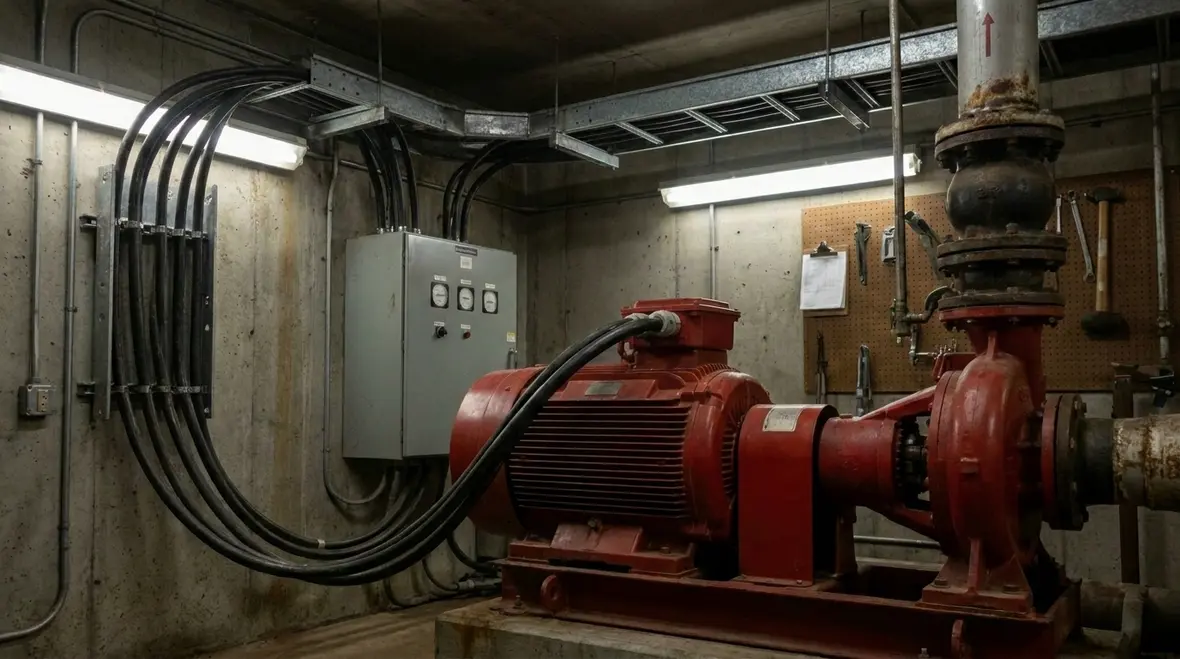
Proactive monitoring helps reduce downtime, and it also improves the quality of emergency work when something still goes wrong. This is where a vital partner matters. kord fire protection can align monitoring outputs with real service capabilities, so facilities do not just detect issues, they resolve them.
When a monitoring system flags a fault, kord fire protection can support the next step with experienced technicians who understand both the electrical and pump-side impacts. Therefore, the response can be faster, because the problem is already scoped by the data. Instead of arriving to “hunt the issue,” teams arrive with a roadmap.
Also, kord fire protection helps facilities build a reliable service rhythm. That means planned inspections that match the monitoring trends, plus emergency fire pump service readiness for the days when reality refuses to behave. Think of it like this: monitoring is the early warning radio. kord fire protection is the calm pilot who knows how to land the plane when the storm hits.
Best practices for rolling out monitoring without causing disruption
Facilities need a rollout plan that respects operations. After all, industrial, retail, and commercial sites often cannot pause production for long. So, deployment should be staged and practical.
Recommended rollout approach
- Start with baseline capture: Gather normal electrical signatures during routine tests so thresholds match actual performance.
- Select actionable alarm levels: Use alerts that point to maintenance actions, not alerts that create constant noise.
- Integrate with control cabinet workflow: Ensure staff can respond to alarms without guesswork.
- Set review intervals: Teams should review trends on a schedule, not only during emergencies.
- Link alerts to service procedures: Document what to inspect first, second, and third based on the fault type.
Additionally, training matters. Operators and maintenance teams should know what a change in current or voltage indicates and how to escalate properly. When knowledge flows, response becomes faster and more accurate. And fewer incorrect callouts means less wasted time. Nobody wants a “false alarm” email chain that runs longer than a season of a streaming show.
A smooth rollout also benefits from assigning ownership early. Someone should review alerts, someone should approve inspections, and someone should confirm follow through. When responsibilities are fuzzy, even good monitoring can end up sitting in a dashboard like a very expensive wall decoration.
Emergency readiness: what happens when monitoring still finds trouble
Even the best proactive plan cannot remove every risk. Components fail. Cabling gets damaged. Power supply conditions can change. However, monitoring helps reduce the severity of the surprise by revealing patterns early and narrowing down probable causes.
When monitoring does trigger an urgent condition, facilities should move quickly while keeping decisions controlled. That is where the emergency fire pump service capability becomes critical. kord fire protection can support fast diagnosis, restore readiness, and help prevent recurrence by addressing the root cause, not only the symptom.
In other words, monitoring reduces downtime by improving prevention, while emergency response protects operations during the rare moments when prevention is not enough. Together, prevention plus capability becomes a robust system. And that is the kind of peace of mind facilities actually feel in their day to day work.
FAQ
Conclusion and call to action
Proactive fire pump power monitoring reduces downtime by catching electrical and motor issues early, turning surprise failures into planned repairs. When paired with expert support, the entire program becomes stronger. kord fire protection can help your facility interpret monitoring signals, schedule the right work, and deliver emergency fire pump service when it matters most.
If your site runs critical fire pump systems, now is the right time to build a monitoring and response plan that stays ready. The best systems are not the ones people worry about every day. They are the ones quietly prepared to do their job without drama, excuses, or last minute heroics.

Join Our Newsletter!
Get the latest fire safety tips delivered straight to your inbox From our Newsletter.