Commercial Sprinkler Head Selection for Specialty Spaces
Quick Answer: Selecting the right sprinkler head for specialty commercial spaces starts with understanding the room use, ceiling layout, obstructions, and fire risks. A smart commercial sprinkler head selection matches the hazard level and the piping design. Then Kord Fire Protection’s fire sprinkler services can guide the details, verify compliance, and support the full installation process so systems perform when it matters most.
In specialty commercial spaces, choosing a sprinkler head is not a “grab whatever fits” moment. It is a calculated decision that protects people, inventory, and operations. That is why a commercial sprinkler head selection should begin early, not after ductwork is already in place and someone says, “Why does this look different?”
Third person planning matters because the site does not care about opinions. It cares about hydraulics, coverage, response time, and the right type of spray pattern. And for many facilities managers, Kord Fire Protection becomes a vital partner, turning the selection process into a clear, auditable plan instead of a stressful guessing game. For readers who want broader context after this article, the Kord Fire Protection blog is a useful next stop for related fire sprinkler and life-safety topics. ([kordfire.com](https://kordfire.com/fire-sprinkler-service/?utm_source=openai))

Why specialty commercial layouts demand more than a standard choice
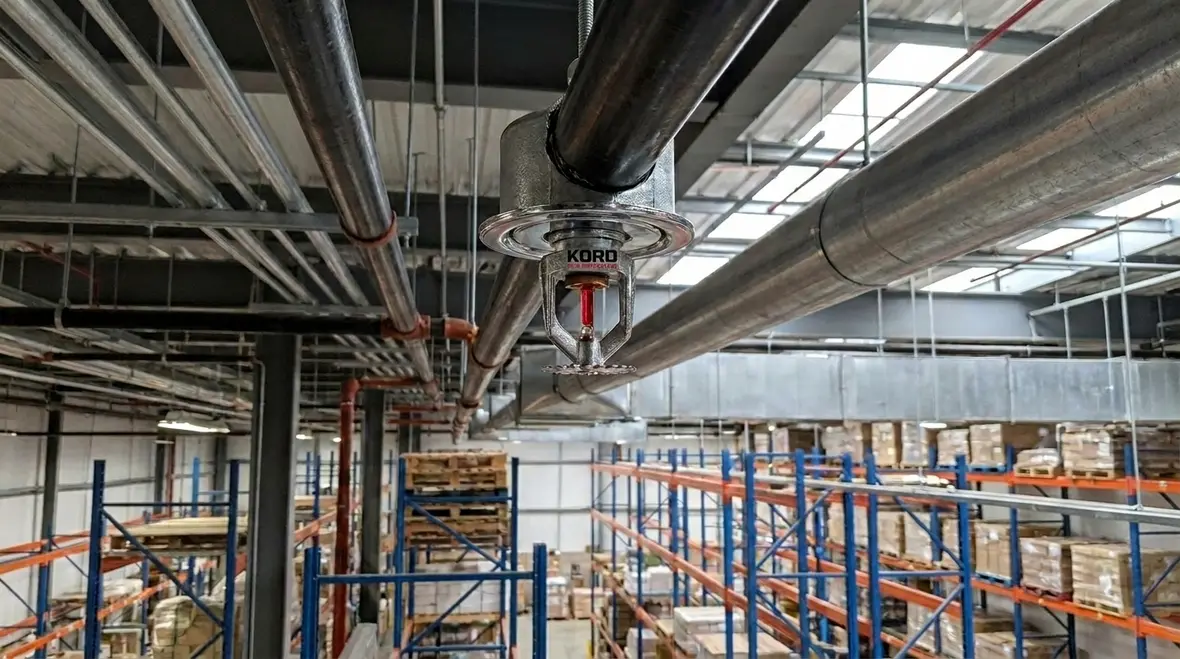
Standard spaces behave predictably. Specialty commercial spaces do not. Warehousing aisles, mezzanines, high-bay ceilings, open atriums, display-heavy retail, and plant-like back-of-house zones each create different flow conditions and different challenges for water distribution.
So, when teams make the wrong sprinkler head choice, the system may still “work,” but it may not work well. Obstruction sensitivity is a big deal in industrial and retail fit-outs. If the sprinkler is not designed for the specific ceiling environment, coverage can weaken exactly where the hazard sits. Meanwhile, concealed spaces can delay detection or disrupt spray patterns.
In other words, the decision has consequences. And the cost of fixing bad choices later usually shows up in the budget like an uninvited guest who “just needs five minutes” and then stays until closing time.
Selection gets easier when the layout is reviewed early
This is where early coordination quietly saves the day. When sprinkler planning happens before ceilings, lights, signage, and duct routes are locked in, the team has room to choose the correct head style and keep coverage consistent. Kord Fire Protection’s sprinkler service work emphasizes design, installation, servicing, maintenance, and repair for commercial properties, which makes early coordination especially valuable when the space is anything but ordinary. ([kordfire.com](https://kordfire.com/fire-sprinkler-service/?utm_source=openai))

How to match sprinkler response to the hazard and occupancy
Different spaces burn differently. And the sprinkler head response characteristics help the system control the fire at the earliest realistic stage. Selection teams typically align the sprinkler type with the heat release profile and the fire load category tied to the occupancy.
In practice, that means considering:
- High-bay storage with stable hazards and higher ceilings
- Retail sales floors with display density and mixed combustibles
- Plant rooms and service areas where ignition sources vary
- Food production or specialty processing spaces that can change how fires grow
Then the team verifies the response speed and spacing approach. If the system aims to protect a specific hazard zone, it also needs the right activation temperature and distribution pattern. Otherwise, the sprinkler head selection becomes a compromise the facility does not need.
Hazard categories are not paperwork trivia
This part can sound dry until someone has to explain why a head chosen for one area does not fit the next one over. Storage, retail, service zones, and process areas may sit under the same roof, but they do not always behave the same in a fire. That is why thoughtful classification and matching matter. Kord’s industrial sprinkler article also notes that different stored goods and operating conditions can demand different layouts, reinforcing why one-size-fits-all selection is a risky shortcut. ([kordfire.com](https://kordfire.com/industry-fire-sprinkler-systems-for-industrial-safety/?utm_source=openai))
What to consider in ceiling height, obstructions, and spray pattern
Ceilings and their surrounding obstacles act like a maze for water. Even a correct design on paper can underperform if the spray pattern cannot reach the target area.
Therefore, specialty commercial sites require a site-aware review that covers:
- Ceiling height and how it affects throw distance and coverage
- Lighting, sprinkler escutcheons, beams, and soffits that can block spray
- In-rack and below-mezzanine hazards where water must reach specific layers
- Pipe arrangement that influences spacing and head orientation
Transitioning from general planning to precise layout is where many projects either gain confidence or lose time. When teams plan early, they can adjust pipe routes, align heads correctly, and select a compatible spray style. When they do not, they end up playing “sprinkler Tetris,” and nobody wins that game. Well, except the person charging change orders.
Choosing the right thermal element and operating temperature range
Thermal performance matters because each sprinkler head needs to respond within the intended conditions of the environment. Specialty commercial spaces often include zones with temperature variations, such as loading bays, large-volume warehouse areas, or facilities with seasonal swings.
So the commercial sprinkler head selection process should consider:
- Ambient temperature of the protected area
- Presence of heaters, skylights, or airflow that changes heat behavior
- Suitability for typical operating conditions within that space
When Kord Fire Protection partners on the job, the team can validate these factors against design intent and site realities. As a result, facilities reduce the chance of nuisance issues, improper activation, or mismatched head performance during a real event.
Temperature range is where “close enough” starts to look suspicious
Ambient heat, airflow, roof exposure, and nearby equipment can all shape how quickly a sprinkler element sees heat. That is why selection is not only about the fire event itself, but also about normal day-to-day conditions in the room. Kord’s sprinkler overview explains that sprinkler heads activate when their heat-sensitive element reaches its threshold and that heads operate individually, which supports careful attention to activation temperature and placement. ([kordfire.com](https://kordfire.com/fire-sprinkler-overview-and-system-guide/?utm_source=openai))
Compliance, documentation, and why partner support reduces risk
Fire systems need more than a last-minute box check. Compliance is a chain of decisions that has to remain consistent from design through installation and commissioning. That means the selected head, spacing logic, hazard assumptions, and field conditions all have to stay in the same conversation instead of wandering off into separate meetings.
That is where Kord Fire Protection can become a vital partner with the sprinkler head selection service. They help keep the project aligned by supporting:
- Correct selection matching the hazard classification and layout
- System integrity checks that protect performance goals
- Installation planning that accounts for real construction details
- Documentation that supports audits, approvals, and future maintenance
Moreover, Kord Fire Protection’s involvement can prevent the classic scenario where the design says one thing and the final build says another. In fire protection, “close enough” does not scale. It is either right, or it is a risk waiting for the worst day on the calendar.
Industrial vs retail vs facilities teams: how selection priorities shift
Different stakeholders focus on different risks, yet the system must satisfy them all. Industrial teams often prioritize reliability, robustness, and compatibility with high-bay storage and process areas. Retail teams often prioritize visibility, aesthetics where relevant, and protection of high-value displays and back-of-house stock.
Meanwhile, facilities managers juggle operational continuity, access for maintenance, and system performance under changing conditions. When their needs align with the correct head type and spray characteristics, the system becomes easier to manage and less likely to cause disruption.
Therefore, the planning process should bring the right questions to the table early:
- What hazards dominate each zone
- Where the ceiling will hide problems
- How water distribution supports the intended protection strategy
- How maintenance access fits the site schedule
And yes, sometimes the priorities feel like pop culture rivals. Industrial wants “precision.” Retail wants “presentation.” Facilities wants “no downtime.” The good news is that smart commercial sprinkler head selection can satisfy all three, as long as the project team coordinates the details instead of letting them collide like characters in an 80s movie hallway fight.
Featured FAQ on sprinkler heads for specialty commercial spaces
Conclusion: plan now, protect longer
Specialty commercial spaces demand sprinkler head choices that fit hazard levels, ceiling conditions, and system performance goals. When teams treat commercial sprinkler head selection as an early, documented decision, they reduce risk and project delays.
Kord Fire Protection can act as the vital partner that ties selection, layout realities, and compliance into one coordinated plan. For commercial and industrial facilities, the next step is simple: contact Kord Fire Protection and get a selection approach built for your site. ([kordfire.com](https://kordfire.com/full-fire-protection-services/?utm_source=openai))

Join Our Newsletter!
Get the latest fire safety tips delivered straight to your inbox From our Newsletter.