Prevent False Alarms in Commercial Fire Sprinkler Systems
Quick Answer
False alarms in commercial fire sprinkler networks usually come from system pressure changes, air or debris in piping, poor maintenance, and weak coordination between water flow devices and alarm panels. To prevent them, facilities need clean, tested hardware, clear thresholds, and responsive service. Kord Fire Protection can help keep compliance, reliability, and real alarm performance aligned.
In many commercial sites, fire sprinkler flow switches act like the networks nervous system. When water moves, they signal. When water does not, they should stay quiet. However, in real facilities, things happen. Valves weep, air pockets form, contractors adjust pipes, and pressure surges come out of nowhere. And then the alarm panel lights up like it just saw a celebrity walk into the loading dock.
So, the goal is simple and serious: Preventing False Alarms in Commercial Fire Sprinkler Networks without reducing safety. That is where planning, testing, and smart partnerships matter. For facilities that want stronger sprinkler performance from the start, Kord Fire Protection also provides commercial fire sprinkler service and repair support that fits naturally into long term prevention planning.
Why false alarms happen in commercial sprinkler systems
False alarms rarely show up because someone “wanted” a problem. Instead, they usually come from predictable conditions that slip past busy teams. First, transient water pressure can trigger detection devices, especially when pumps start, stop, or cycle. Next, air trapped in pipe sections can move during system changes and cause brief flow or pressure signals that mimic real activation.
Further, dirt and debris in the network can create inconsistent flow paths. Over time, small particles settle in check valves and strainers. Then, during maintenance or normal operation, flow can fluctuate and trip monitoring devices. It is not dramatic. It is just enough chaos to make the panel think something bigger is happening.
Also, the alarm logic matters. Some sites connect flow signals without enough confirmation steps. Others use wiring runs that collect noise, or they install sensors in areas exposed to vibration. In those cases, even a small electrical disturbance can look like a real event. A building can end up reacting to turbulence, vibration, or interference instead of actual sprinkler discharge.
And yes, sometimes it is human timing. A valve is opened for a test, a pressure gauge gets tapped, someone hears a noise, and the next thing you know the building is doing an emergency drill. Professional controls remove the guesswork, not the safety. That is the balance every facility wants: sensitive enough for the real thing, stable enough for normal operations.
The most common nuisance alarm chain reaction
- A pressure change occurs during routine operation or testing
- A flow switch reacts to a short burst instead of sustained movement
- The panel interprets the signal too quickly or without enough verification
- Staff receive an alarm that feels real, urgent, and disruptive
- Time gets lost chasing a condition that never involved a sprinkler opening
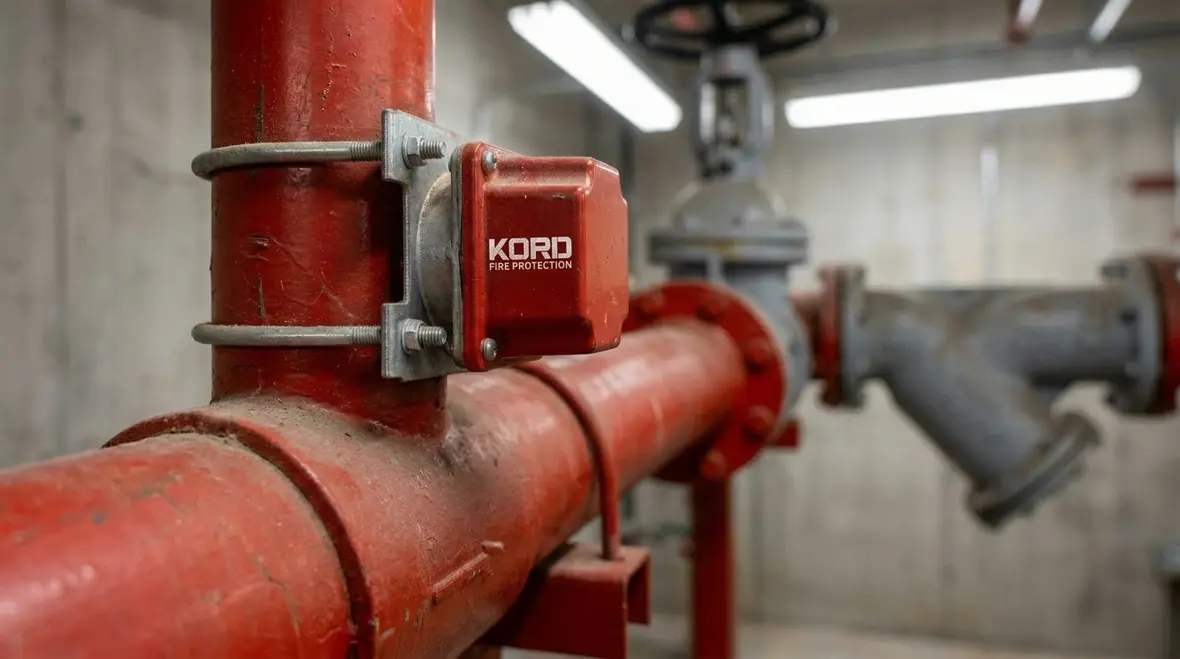
How fire sprinkler flow switches and monitoring thresholds work
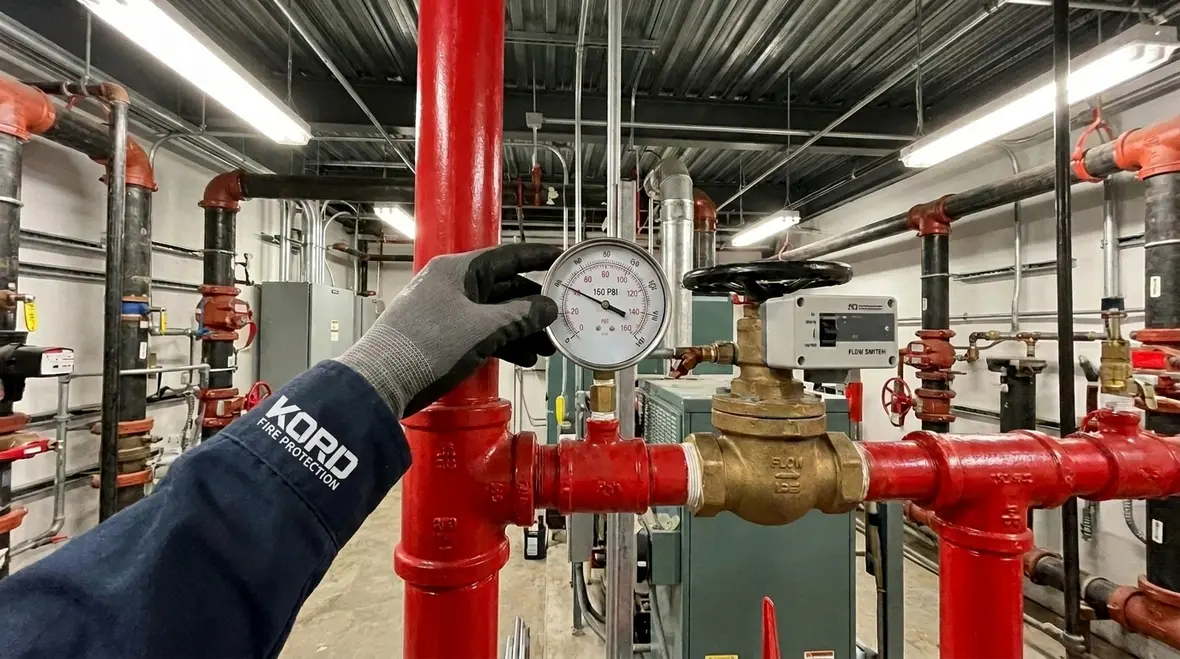
In a well designed system, fire sprinkler flow switches detect actual water movement and send a signal to the fire alarm panel. Yet, the switch is only one part of the overall logic. The detection also depends on the control panel settings, wiring integrity, and how quickly the system stabilizes after a change. That means a reliable signal is never just about one device. It is about how the whole chain behaves together.
To prevent false alarms, teams must confirm that the switch type matches the intended hydraulics. Different switch designs can respond differently to partial flow, surge, and short duration movement. Therefore, a site that experiences frequent pump cycling may need a more stable arrangement, plus correct time delay or verification logic where permitted by standard practice. If the switch is too eager, the panel will be too.
In addition, facilities should verify that the switch is installed in the proper orientation and location. If the switch sits in a turbulent section or too close to elbows, it can react to local turbulence rather than steady flow. That is a design detail that seems small until it starts causing interruptions at inconvenient times, which is to say, every time.
Finally, maintenance teams must confirm the switch stays clean and free to move if it uses a mechanical element. A sticky pivot point from residue can cause inconsistent signals. Like a door that squeaks until it does not, the system starts acting “creative” right when you need it to be calm. Facilities that also want tighter device to panel coordination should review Kord Fire Protection’s fire alarm service systems support as part of a broader nuisance alarm reduction strategy.
What teams should verify during testing
- Switch response time during controlled flow
- Panel interpretation of short duration movement
- Installation location relative to elbows and turbulent runs
- Mechanical freedom of moving parts where applicable
- Signal stability after pump starts, stops, and routine valve actions
Best practices for commissioning and routine inspections
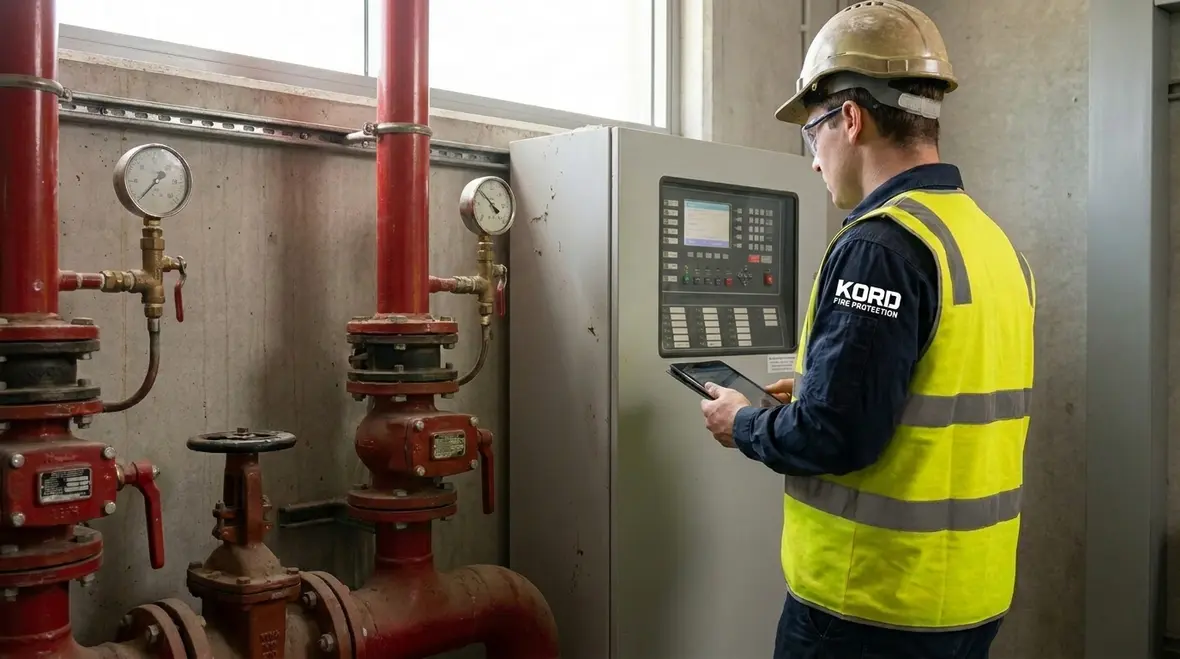
Prevention starts before the building ever goes live. During commissioning, teams should simulate conditions that historically cause trips, such as pump start sequences and normal valve operation. They should also document alarm logic paths so that test results translate into real operational changes. If the only question after commissioning is “did it technically pass,” then the site may miss the more useful question, which is “did it stay stable under real conditions.”
Then, routine inspections should focus on the details that reduce false trips over time. Passing a visual walk through is not enough if the underlying conditions are quietly building toward the next nuisance event. Consistency matters because systems do not become unreliable all at once. They drift there one missed detail at a time.
- Inspect strainers, filters, and check valves for debris and partial blockage. Clean them on a schedule aligned to site conditions.
- Verify switch actuation characteristics during controlled flow tests. Do not just look for pass or fail; record values and durations.
- Check pipe supports and vibration sources. If equipment shakes the network, the alarm can shake too.
- Confirm valve tamper seals and lock positions remain correct after contractor work. Many false alarms start with “temporary” access.
- Test alarm panel supervision wiring for faults and ground issues that can mimic switch activation.
Next, facilities should train maintenance staff to avoid rushed quick checks that create real signals. For example, opening test connections without the correct sequence can cause brief flow events that look like system activation. Clear procedures keep everyone on the same page, including the trades who just want to get home. Good commissioning and repeatable inspections turn prevention into a routine, not a rescue mission.
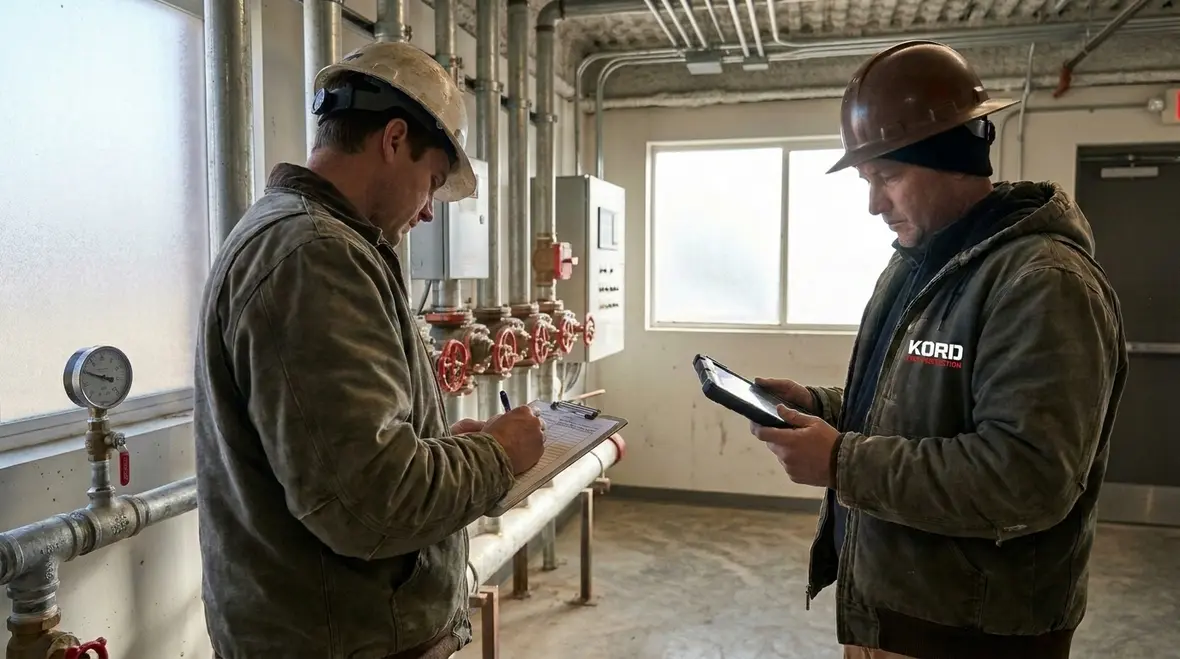
Eliminating nuisance triggers from air, debris, and pressure surges
Air and debris deserve extra attention in commercial environments because they create short lived signals. To address this, teams can improve venting strategies where the design permits, ensure air management devices work properly, and keep maintenance consistent. The objective is not to make the system less responsive. It is to make the signal cleaner, steadier, and harder to confuse.
Pressure surges also play a role. If pumps cycle frequently due to demand changes, the system may experience rapid pressure movement. Even if no sprinkler opens, flow monitoring can react if thresholds are too sensitive or if the system does not stabilize before the panel evaluates the signal. One little hydraulic mood swing can become a full building interruption if nobody has tuned the response properly.
- Review pump control sequences and confirm they do not create repeated transient flow signatures.
- Verify that inspectors test under realistic operating conditions, not only calm, steady states.
- Confirm hydraulic balancing and ensure water supply stability aligns with the expected demand profile.
- Maintain water supply quality and strainers to reduce partial flow oscillation.
To be clear, none of this replaces life safety requirements. Instead, it improves the signal quality so alarms reflect true events. Think of it as lowering the volume of background noise, so the fire alarm can do its job without being the office gossip machine.
Alarm panel coordination and documentation that actually helps
Many sites treat alarm testing like a checkbox. Yet false alarms often come from unclear coordination between devices and panel behavior. Facilities should confirm that the alarm panel uses appropriate confirmation logic, time delays, and supervision states that align with the sprinkler system design. When the panel and field devices understand each other, nuisance trips lose a lot of their power.
Additionally, documentation should not live in a binder that only appears during audits. Teams should maintain accessible records showing the exact information that makes troubleshooting faster and smarter. The more precisely a site records stable performance, the easier it becomes to spot a developing issue before it becomes the next false alarm headline in the break room.
- Device tag numbers and their exact locations in the network
- Set points, thresholds, and any time delay settings tied to water flow monitoring
- Recent maintenance history for each flow related device
- Test results with dates and notes describing operating conditions
When a nuisance alarm happens, this record reduces troubleshooting time. Instead of guessing, technicians can compare current conditions to previous stable performance. That means faster resolution, fewer site disruptions, and less finger pointing. Because nothing says “fun” like chasing an intermittent fault while the store teams are trying to open on time.
Why Kord Fire Protection can be a vital partner
Commercial facilities need service that respects both safety and operations. That means more than routine visits and generic reports. It means coordinated troubleshooting, accurate testing, and practical adjustments that prevent false alarms while maintaining compliance. Kord Fire Protection approaches that balance with a service model built around real site conditions, not vague assumptions.
Kord Fire Protection can support this work by helping facilities manage sprinkler monitoring more effectively through disciplined inspection routines, device verification, and clear coordination between fire system components. As a vital partner, Kord Fire Protection helps teams reduce nuisance events that erode trust in alarm systems. Over time, fewer false activations improve response quality, protect tenant confidence, and cut downtime from unnecessary evacuations.
Most importantly, Kord Fire Protection focuses on outcomes. A fire alarm system should not behave like a smoke detector in a kitchen with a fan on high. It should respond accurately, consistently, and calmly. With the right service partner, facilities can move from reactive fixes to planned prevention.
FAQ
Quick comparison
| Common problem source Pressure transients Air pockets Debris in valves or strainers Wiring noise or faults | Prevention approach Review pump sequence and thresholds Confirm venting and system stability Maintain and verify flow paths Inspect supervision and electrical integrity |
Conclusion
False alarms cost time, disrupt teams, and slowly train people to ignore signals, even when safety matters most. Facilities can prevent these nuisance events by improving commissioning, maintaining clean and correctly installed devices, and coordinating alarm panel logic. When testing is deliberate and documentation is usable, the whole system becomes easier to trust.
If you want fewer unwanted activations and more reliable monitoring, Kord Fire Protection can help you build a prevention plan that works in your real operation. Reach out today to schedule a review and bring sprinkler monitoring, alarm response, and day to day reliability back into alignment.

Join Our Newsletter!
Get the latest fire safety tips delivered straight to your inbox From our Newsletter.