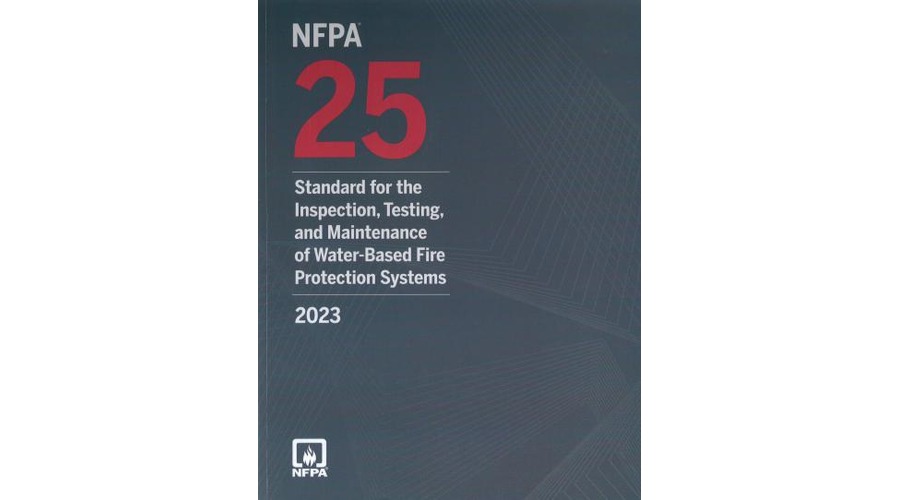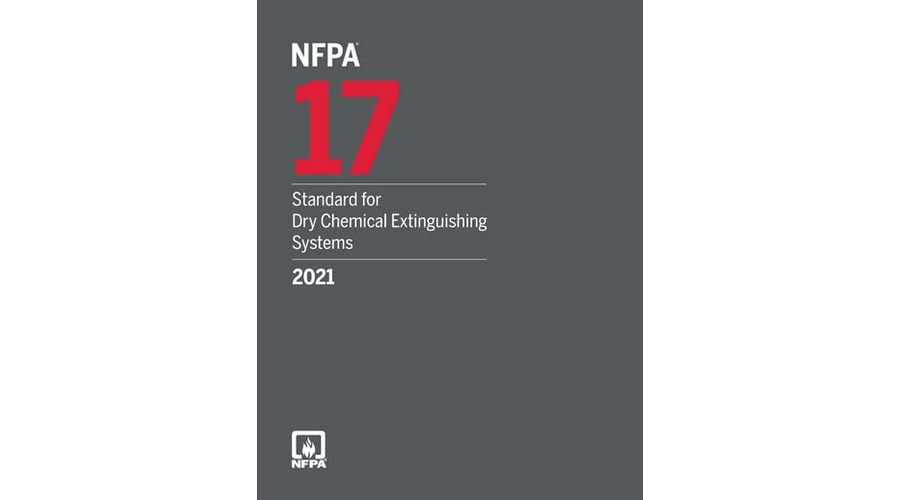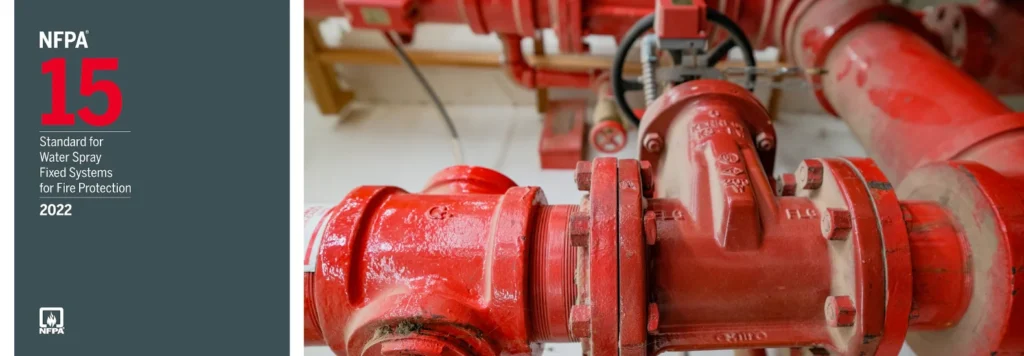
Non NFPA Publications for NFPA 4 Fire Testing
Quick Answer
NFPA 4 Section 2.3 guides the use of non-NFPA publications for fire testing within a compliant framework. This approach broadens credible data sources while preserving safety and regulatory alignment. Kord Fire Protection positions itself as a vital partner offering testing coordination, risk review, and project leadership for industrial, retail and commercial facilities across Australia.
For teams that need broader coordination beyond a single test document, full fire protection services can help connect testing, documentation, system review and ongoing compliance into one cleaner path. Because yes, fire safety projects are much easier when everyone is reading from the same page instead of twelve tabs and a coffee stained printout.
Understanding NFPA 4 Section 2.3 and NFPA 4 other referenced publications fire testing
Non-NFPA publications for fire testing play a strategic role when approved non NFPA data can supplement established standards. This section guides how such data blends with NFPA 4 to create a robust testing program. For Australian facilities, the balance between strict NFPA guidance and credible third party evidence matters. The aim is to enhance decision making while staying within approved pathways. In practice this means evaluating data quality, source credibility and relevance to the specific fire scenario.
A useful companion read is Implementing NFPA 4 for fire safety, especially for readers who want a broader look at testing, maintenance and system coordination before drilling into how other referenced publications fit the picture.
Why non-NFPA sources matter in modern fire testing
Facilities face unique layouts materials and climatic factors that may not fit neatly into a single standard. Non-NFPA publications can provide additional context on real world performance, test methods and material behavior under fire exposure. The goal is to ensure the data aligns with safety goals and regulatory expectations. When chosen carefully these sources enrich the risk assessment and confirm that protective systems will perform as intended when challenged by fire.
Two column snapshot of diligence
Column 1
- Credible authors with verifiable methods
- Transparent testing conditions and clear results
- Relevance to the project type and occupancy
Column 2
- Compatibility with NFPA 4 framework
- Documented validation steps
- Aligned interpretation for design decisions
In this landscape the review process becomes a disciplined exercise. The reviewer checks data limitations and cross references with NFPA 4 requirements. The aim is to avoid gaps between theory and field performance while maintaining pragmatic timelines and cost controls. This careful approach helps facilities meet safety objectives without chasing every new publication in the market.
Kord Fire Protection as a trusted partner in this service
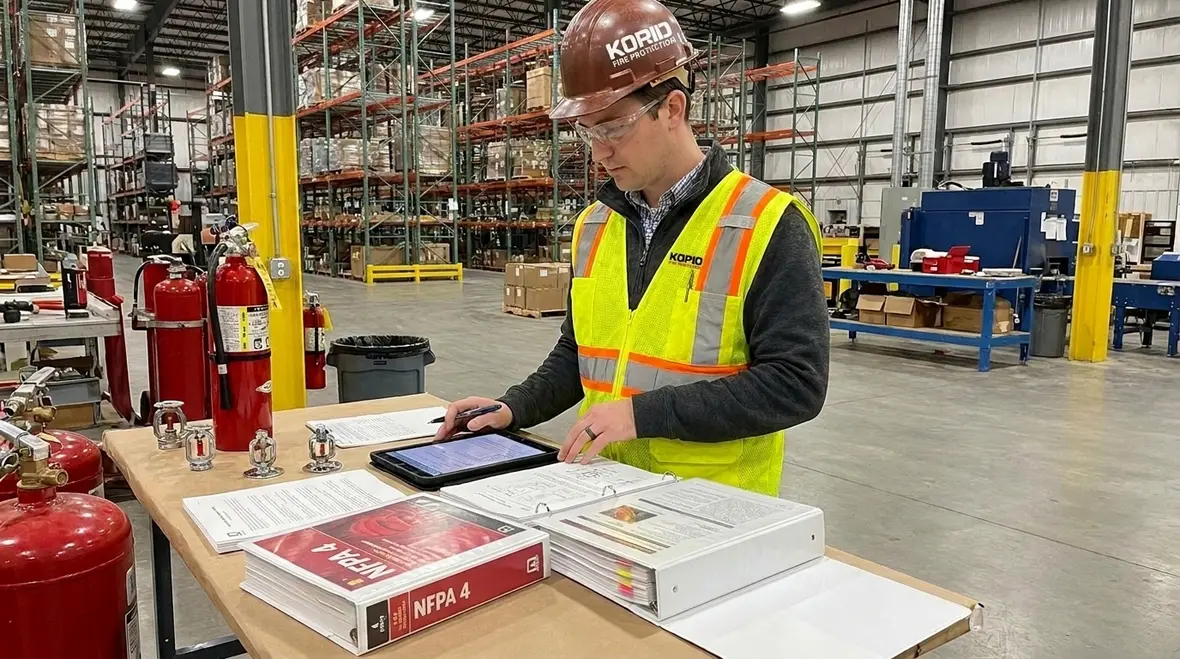
Kord Fire Protection brings a practical blend of engineering insight and hands on project leadership. The company coordinates with independent labs to source credible fire testing data, translates findings into actionable design adjustments and ensures documentation supports audit readiness. For Australian industrial, retail and commercial properties this partnership reduces risk by aligning testing programs with both local regulations and international best practices. Clients gain access to experienced professionals who speak in clear terms about fire performance and safety outcomes rather than jargon that hides ambiguity. Laughter helps too, especially when the data sheets feel overwhelming—Kord keeps conversations down to earth while delivering solid results.
Engagement process and how to start
Engaging non-NFPA publications within the NFPA 4 framework follows a clear path. First the project team defines the fire scenarios most relevant to the site and identifies where non-NFPA data could add value. Next they evaluate candidate publications for methodological soundness and relevance. Then Kord coordinates the review against NFPA 4 criteria, ensuring acceptance criteria are documented and traceable. Finally the team integrates the findings into design decisions and safety plans, backed by a robust audit trail for regulators and stakeholders alike. This process keeps the project on track and the safety case transparent.
What the review path usually includes
- Defining the fire scenarios that matter most
- Identifying where non-NFPA data fills an actual gap
- Checking each source for methodological strength and relevance
- Documenting acceptance criteria and traceability
- Integrating findings into design and safety planning
Real world applications and practical considerations
Across industrial plants warehouses and large commercial facilities in Australia the use of non-NFPA publications for fire testing often centers on materials performance scenarios equipment fire suppression interactions and structural containment strategies. For example a warehouse may rely on non NFPA data to understand heat release rates for unusual pallets or packaging while maintaining adherence to NFPA 4 guidelines for overall system design. The practical outcome is a safer facility with a more resilient protection strategy that can adapt to evolving site conditions without sacrificing regulatory confidence.
Common challenges and how to address them
One common challenge is ensuring data quality and avoiding outdated or niche sources. The solution is a rigorous screening process that weighs methodological transparency and peer recognition. A second challenge is regulatory acceptance in Australia where authorities may prefer widely accepted data. Kord helps by mapping non-NFPA sources to local requirements and by presenting a clear rationale for their use. A third challenge is budget and schedule pressure. In response, Kord aligns testing activities with project milestones and provides staged deliverables that keep stakeholders informed without delaying the overall program.
Tips for success in fire testing programs
- Prioritize data from sources with transparent methods and independent validation
- Document how non-NFPA data informs design decisions and safety outcomes
- Maintain a clear link between testing results and NFPA 4 requirements
- Engage a partner who can manage timelines and regulatory interfaces
FAQ
Conclusion and call to action
Forward thinking facilities understand the value of combining NFPA 4 with credible non-NFPA publications for fire testing. With Kord Fire Protection as a partner you gain expert coordination rigorous evaluation and a clear path to compliance. Reach out today to schedule a consult and strengthen your protection program across Australia.

Join Our Newsletter!
Get the latest fire safety tips delivered straight to your inbox From our Newsletter.