
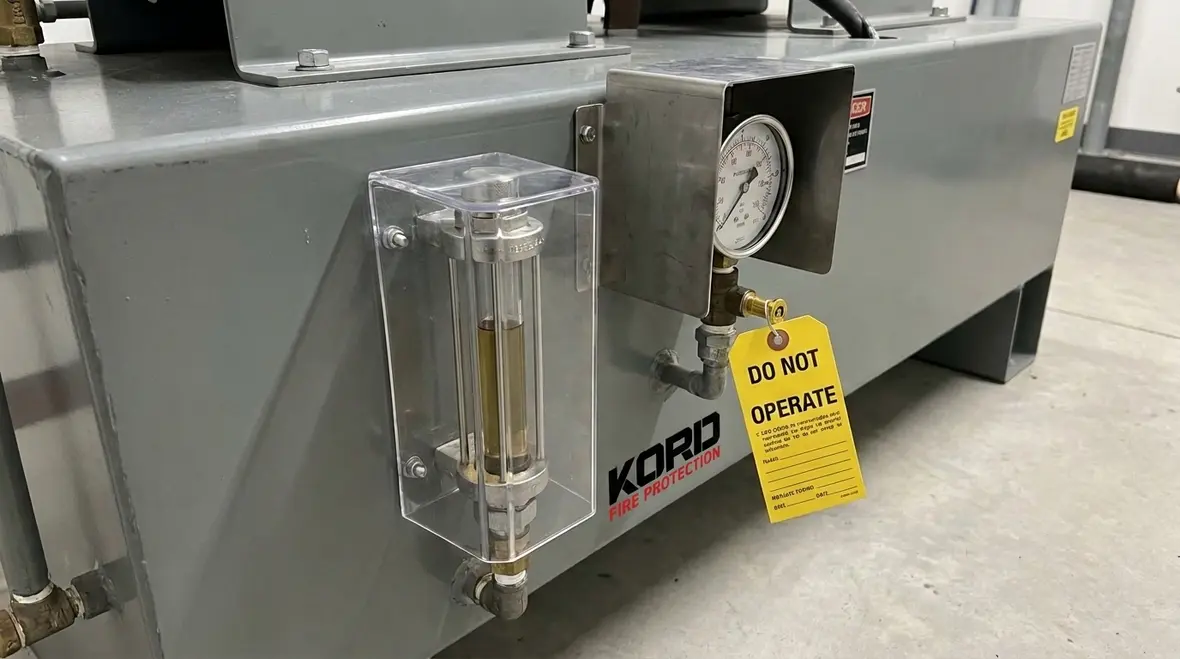
NFPA 37 Section 7.5: Safeguards for Lubricating System Gauging Devices
Quick Answer: NFPA 37 Section 7.5 establishes safeguards for lubricating system gauging devices to reduce ignition risk from leaks, spills, and exposed hot surfaces. Compliance centers on protected installation, controlled materials, and inspection based on operating conditions and maintenance practices.
Why NFPA 37 Section 7.5 matters for commercial lube oil systems
Facilities that rely on pumps, turbines, compressors, and other rotating equipment frequently depend on lube oil level and pressure indication to prevent damage and maintain safe operation. However, gauging devices can become ignition sources if they leak, vent improperly, or expose hot surfaces. This is why NFPA 37 lube oil gauging device safeguard requirements focus on preventing hazardous releases and ensuring gauges remain protected in normal service and during foreseeable upset conditions.
For commercial, industrial, and retail environments, the compliance challenge often comes from legacy equipment, mixed vendor components, and maintenance practices that do not fully align with the intent of NFPA 37 safeguards. Kord Fire Protection supports risk reduction through field-ready inspection support, documentation practices, and ongoing maintenance coordination.
What Section 7.5 covers: safeguards built around ignition control
NFPA 37 Section 7.5 addresses lubricating system gauging devices and the protective measures required to reduce the likelihood that gauging operation or failure will create a fire scenario. While the specific wording in each facility’s compliance plan must follow the exact edition of NFPA 37 adopted by the authority having jurisdiction, the safeguards typically target the same core hazards:
- Leak and spill control: Gauge connections, seals, fittings, and sight glass interfaces must not allow oil to spray, drip excessively, or accumulate on hot surfaces.
- Protection of exposed components: Gauging mechanisms should be shielded where contact with energized parts, radiant heat, or hot exhaust regions is possible.
- Safe handling of visible indication: Devices that require opening, draining, or adjusting to read levels must be managed to avoid introducing ignition risk.
- Maintenance readiness: Gauges must remain functional and properly seated after service activities, not temporarily patched in ways that increase hazard.
In practice, this means compliance does not stop at installation. It requires a maintainable configuration that remains safe through routine inspections, filter changes, lubrication system work, and seasonal operating adjustments.
Which gauging devices create risk, and how they fail in the real world
Lubricating systems commonly use level gauges, sight glasses, sight tubes, or other indicators to confirm oil availability. The safeguards intent becomes critical when these devices develop wear, misalignment, or sealing breakdown. The most common failure points include:
1) Seals, gaskets, and threaded connections
- Incorrect torque during maintenance causes micro leak paths.
- Swollen or degraded gaskets fail under temperature and oil chemistry exposure.
- Thread damage or improper sealant selection leads to persistent seepage.
2) Sight glass and viewing interfaces
- Cracks or chips allow oil to escape during vibration or thermal cycling.
- Condensation or oil film can reduce visibility, prompting technicians to “read by adjusting,” which can increase exposure.
- Improper shielding allows radiant heat to stress components.
3) Gauge location near hot surfaces
- Gauges positioned where exhaust heat, coupling heat, or motor surfaces can ignite atomized oil mist.
- Missing guards allow accidental contact with moving parts or hot components during inspection.
4) Improvised maintenance practices
- Temporary caps or “wrap repairs” that are not rated for oil service.
- Over time, loose fittings create vibration related leaks.
- Bypassing protective guards to speed access during troubleshooting.
These patterns show why NFPA 37 safeguards should be evaluated as a system of hardware, installation geometry, and maintenance discipline rather than as a checklist item.
How facilities demonstrate compliance with lube oil gauging device safeguards
Commercial operations typically achieve the best results when they align gauging device safeguards with installation standards, inspection intervals, and documented maintenance procedures. The following safeguards practices commonly support NFPA 37 Section 7.5 intent for lubricating systems.
For a broader view of how inspection, upkeep, and long-term readiness connect across a facility, many teams also review the full lifecycle of fire protection servicing. It fits naturally here because safeguard performance rarely lives in one component alone.
Protect gauging devices from direct ignition exposure
Install and maintain physical protection so that if a small leak occurs, oil does not readily contact hot surfaces or become aerosolized. This often includes shielding, guard placement, and routing that prevents oil from flowing onto ignition sources.
Ensure gaskets and fittings remain oil and temperature rated
Use manufacturer specified components and approved oil compatible materials. During maintenance, verify that gaskets are seated correctly and that fittings remain properly torqued and leak checked. For facilities with multiple equipment brands, standardizing approved replacement parts reduces variation that can create compliance risk.
Maintain gauges for reliable indication without unsafe access
When technicians must open a panel, remove a cover, or manipulate a sight glass to observe levels, the facility should control the process so that hot surfaces are avoided and guards are returned correctly after the inspection. Where feasible, facilities use procedures that allow safe observation without exposing the operator to hot zones.
Perform verification that lasts beyond commissioning
Safeguards often erode quietly through vibration, replacement part substitution, and maintenance shortcuts. Implement an inspection cadence that includes:
- Leak checks around gauge connections, sight glass frames, and drains.
- Assessment of guard integrity and clearances to hot surfaces.
- Verification that the gauge remains readable without unsafe positioning of tools or hands.
- Confirmation that corrective actions stay installed, not left as temporary repairs.
To strengthen your compliance program across fire protection and life safety systems, Kord Fire Protection provides practical support for ongoing field readiness and documentation. For related guidance on impairment management, see this fire protection impairment management guide with the appropriate service scope for your facility and jurisdiction.
Inspection and maintenance checklist: what should be documented
Facilities reduce enforcement risk by maintaining clear evidence that lube oil gauging device safeguards remain effective. The documentation should connect condition findings to corrective actions and to the operating configuration at the time of inspection.
Routine inspection items
- Condition of gauge glass or viewing element, including cracks, haze, and mounting integrity.
- Integrity of seals and fittings, including signs of seepage, wetness, or residue.
- Presence and condition of guards or protective covers and that they remain positioned as installed.
- Signs of oil accumulation near the gauge area, including staining that suggests recurring leaks.
- Evidence that access procedures avoid bypassing safeguards during normal checks.
Corrective action documentation
- Replacement part details: manufacturer, material compatibility, and installation method.
- Verification steps: leak check results and confirmation of proper clearances to hot surfaces.
- Date, technician identification, and any system operational notes related to the event.
For commercial environments, this documentation also supports work order audits, insurer reviews, and internal safety committees that prioritize continuity across maintenance cycles.
Commercial compliance realities: where organizations commonly fall short
Even well designed systems can fail compliance expectations when operations and maintenance patterns drift away from the safeguard design intent. Common real world shortfalls include:
- Component substitution: Replacement gauges or seals are sourced without confirmed oil compatibility or temperature rating.
- Guard removal: Guards are temporarily removed for convenience and not reinstalled promptly after service.
- Incomplete leak response: Teams identify a leak but delay repairs until the next scheduled downtime, allowing oil to contact surfaces.
- Unverified access methods: Maintenance staff use unsafe viewing approaches when gauges become difficult to read.
- Inconsistent recordkeeping: Work orders do not include leak checks, gauge inspection results, or proof that safeguards were restored.
Kord Fire Protection helps facility teams close these gaps by coordinating practical, repeatable processes that align with fire prevention objectives and keep safeguards functioning as intended, even across rotating shifts and contractor work.
Frequently Asked Questions
Next steps for facility teams
Review each lubricating system gauging device against the safeguards intent of NFPA 37 Section 7.5, then tighten inspection and maintenance records to prove safeguards remain effective after service. If your facility needs third party support to validate field conditions, maintenance readiness, and documentation quality, contact Kord Fire Protection to schedule a compliance focused assessment and establish an ongoing program that aligns with your operating schedule and jurisdictional expectations.

Join Our Newsletter!
Get the latest fire safety tips delivered straight to your inbox From our Newsletter.



