Non Certified Fire Equipment Risks and Certification Safety
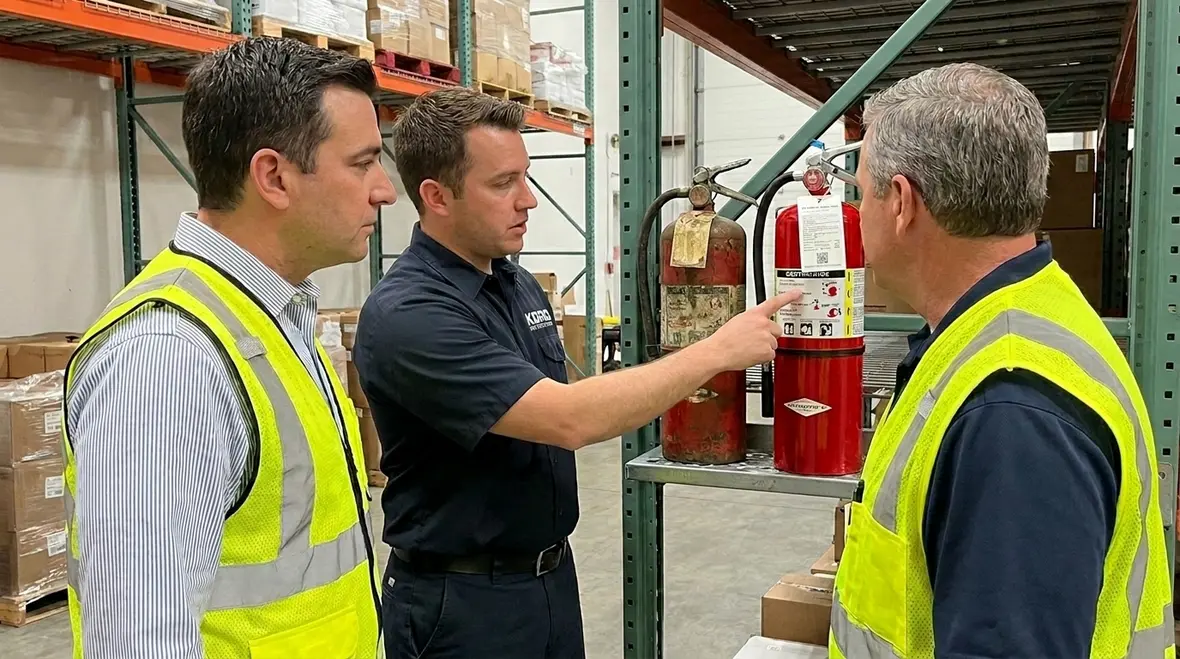
Fire safety should never feel like a gamble, especially when the budget gets tight. At nafed, professionals often remind businesses that “cheap” can quickly become “costly,” and non certified fire equipment can turn one small problem into a big one. Now, the goal here is simple: help facility managers, owners, and decision makers understand the risks of using bargain fire gear, and why certified systems matter. To make it real, the article also reflects how Kord Fire Protection technicians explain these issues on site, in plain language, like they are guiding you through a checklist rather than delivering a scary bedtime story.
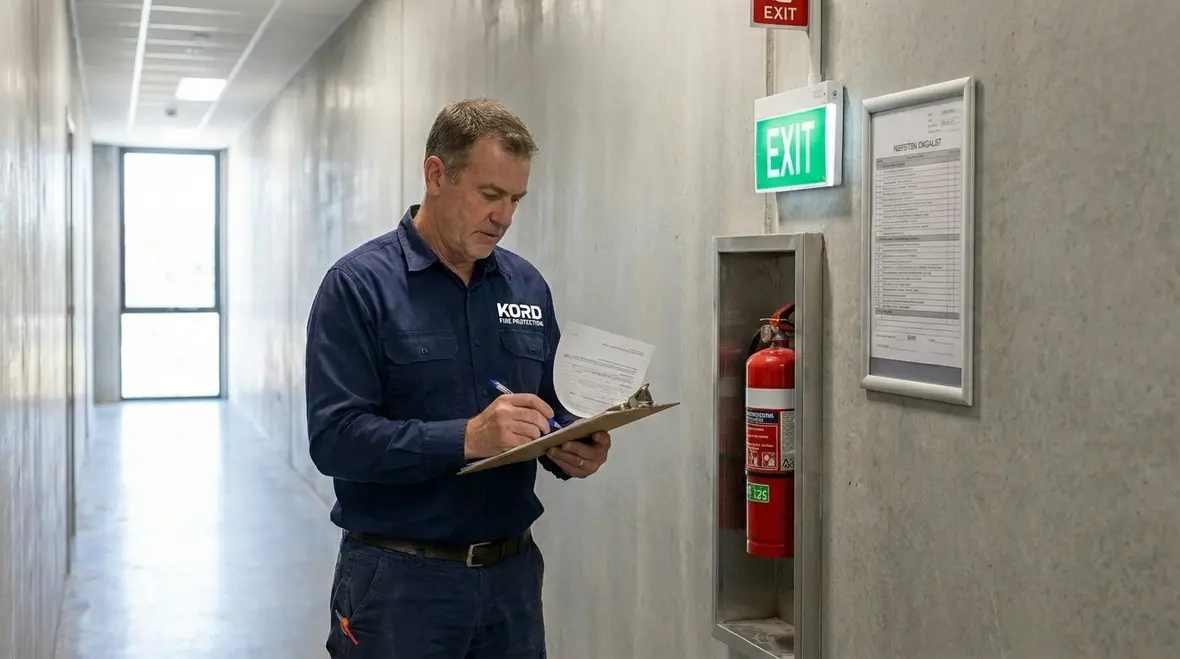
Why non certified fire equipment creates real danger
When a product lacks proper certification, it may still look right, but it often fails when it counts. For instance, a fire extinguisher that passes a quick visual inspection can still have the wrong pressure range, weak components, or inaccurate labeling. And yes, that means it can underperform exactly when someone needs it most.
In addition, non certified equipment may not match the standards used by local authorities, insurers, or fire codes. As a result, even if the equipment works at first, it can become a liability during inspections, claims, or audits. Meanwhile, the business keeps paying for downtime, repairs, and administrative headaches. In short, the “save now” idea often backfires like buying concert tickets from a sketchy website and acting surprised when they are fake.
That is exactly why certified service matters. Kord Fire Protection emphasizes documented inspection, maintenance, and testing as part of a reliable life safety plan, not a decorative extra bolted onto the wall after the budget meeting goes sideways.
Common failure points in cheap fire solutions
Many people assume that all fire equipment works the same way. However, safety devices rely on careful manufacturing and documented testing. If a supplier cuts corners, the weak points usually show up in predictable areas.
Where cheap equipment usually breaks down first
- Materials and seals: Low grade parts can degrade faster when exposed to heat, moisture, or vibration.
- Pressure and discharge performance: Incorrect internal components can lead to weak spray patterns or inconsistent release.
- Detection accuracy: In alarm systems, cheap components may react late, react too early, or miss specific conditions.
- Labeling and documentation: Non certified items can carry incomplete or confusing instructions.
- Compatibility issues: Systems may not work as designed when paired with other unverified devices.
Then the real trouble begins. During an emergency, time matters, and delays turn into damage. Kord Fire Protection technicians often stress that a system is only as strong as its weakest link, and a “mostly fine” setup still fails in the worst moment.
If your current extinguishers are already in service, routine upkeep becomes your next line of defense. Kord Fire’s guide on inspecting and replacing fire extinguisher parts is a useful companion for understanding how worn components can quietly reduce performance before anyone notices.
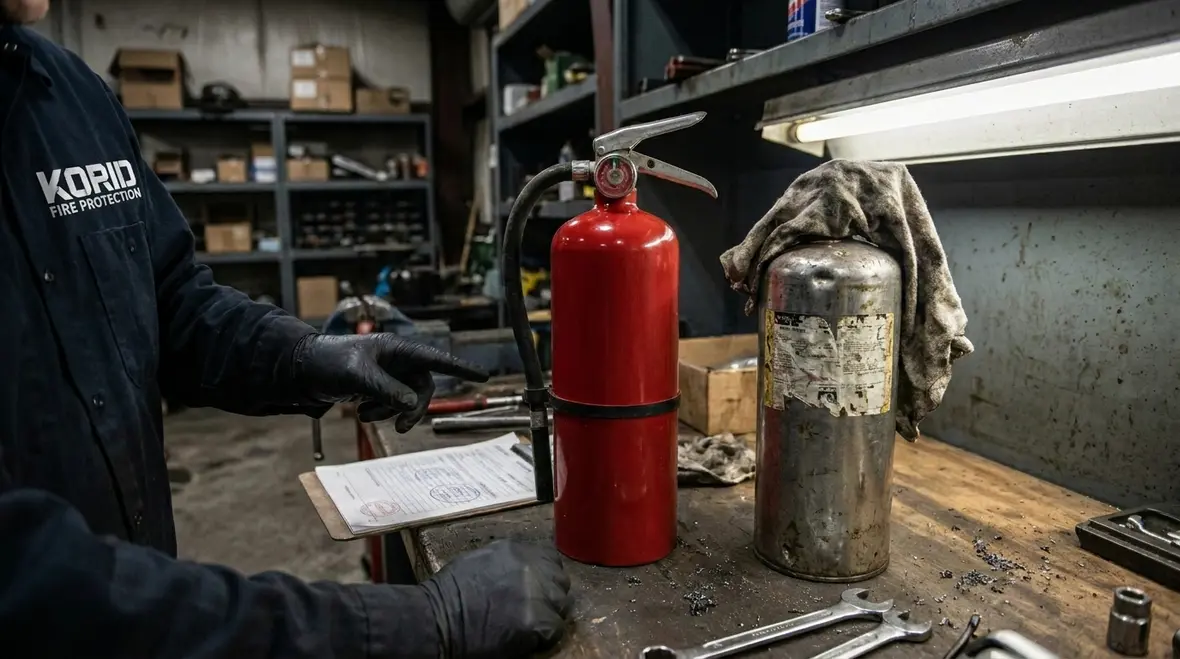
Inspection and insurance problems that show up later
Even if no one calls the fire department, inspections still arrive like clockwork. Certified fire equipment supports compliance, and it gives inspectors the confidence that the system meets required performance standards. By contrast, non certified equipment can trigger failed inspections, mandatory replacements, or costly corrective action plans.
Insurance can also become tricky. Insurers often review fire safety records, maintenance logs, and product documentation. If a claim happens and the equipment does not meet standards, the business may face reduced coverage or delays in payment. And delays are not a business strategy, they are a threat.
Moreover, the administrative effort adds up. Teams spend time chasing paperwork, retraining staff, and coordinating replacements. Transitioning from uncertainty to compliance takes money and focus, and those resources should go to running the company, not fixing preventable mistakes.
Why documentation matters more than people think
Documentation tells a story inspectors and insurers can actually trust. Certification records, service tags, monthly checks, annual maintenance, and technician notes show that the equipment did not just exist on paper. It was selected correctly, maintained properly, and reviewed on a real schedule. When those records are missing, every conversation gets longer, every correction gets more expensive, and every answer starts sounding suspiciously like “we meant to get to that.”
How Kord Fire Protection technicians explain certification
Kord Fire Protection technicians often explain certification as a bridge between a product and a real world safety expectation. Certification confirms that the equipment has been tested under defined conditions and that it matches the requirements in applicable codes. In other words, the certification is not a sticker for decoration. It is evidence that the device performs the way the law and the risk plan expect.
So, when businesses consider cheaper alternatives, technicians typically ask a few practical questions. Which standard does the item meet? Who performed the testing? Can the supplier provide documentation? How will maintenance teams verify ongoing performance? Then they connect the answers to the day to day reality of maintenance and emergency readiness.
Also, certification helps maintenance technicians stay consistent. If everyone trusts the same approved equipment, service becomes easier to schedule, easier to document, and easier to audit. And honestly, that is the kind of clarity that makes safety work feel less like guesswork and more like a system.
For facilities managing wall units across multiple rooms or floors, that consistency matters even more. Kord Fire Protection’s monthly fire extinguisher inspection checklist guide shows how standardized checks help teams catch missing seals, pressure issues, and access problems before they become emergency failures.

The hidden costs of replacing “savings”
A low price can look attractive upfront. However, the total cost of ownership can rise fast when equipment is not certified or does not integrate correctly with the rest of the fire protection plan.
- Early replacement: Non certified items may wear out sooner, forcing faster upgrades.
- Redundant installs: Teams might need to add certified units after failures during inspections.
- Downtime: Repairs and replacements can shut down operations, even when the fire risk was “supposedly handled.”
- Labor waste: Technicians spend time diagnosing problems caused by incompatible or low quality parts.
- Training gaps: If devices behave differently than expected, staff response can slow.
Consequently, the cheaper purchase becomes a chain reaction. It drags budgets into multiple categories, including labor, parts, compliance work, and management time. As a pop culture reference, it is like trying to build a house with “close enough” materials and then acting shocked when it shakes during the first storm. You can still call it a house, but it will never feel solid.
The budget trap nobody enjoys twice
This is where businesses get burned twice, figuratively speaking. First, they pay for the bargain equipment. Then they pay again to remove it, replace it, document it, and explain it. Nobody throws a party for that kind of savings. A more realistic plan is to compare life cycle cost, reliability, serviceability, and compliance before the purchase, not after the invoice has already started making eye contact from the accounting desk.
Choosing safer fire equipment without blowing the budget
Smart buyers do not only chase the cheapest option. Instead, they look for the right mix of performance, compliance, and life cycle cost. This approach helps them protect people and reduce the chance of expensive surprises.
Here is a practical path that many Kord Fire Protection technicians recommend:
- Verify certification and documentation: Request the exact standard and supporting proof from the supplier.
- Match equipment to the system design: Ensure compatibility with the existing fire alarm or suppression plan.
- Plan for maintenance early: Budget for inspections, testing, and service from the start.
- Use qualified technicians: Install and service the equipment according to the manufacturer and code requirements.
- Train staff: Make sure employees understand how devices work and what to do during an event.
Then, when budgets tighten, businesses still make strong safety decisions. They might phase upgrades in a planned way, but they avoid the risky middle ground of unverified gear.
If you need a broader view of what a compliant program can look like, Kord Fire Protection also outlines its full fire protection services for facilities that want one coordinated approach instead of piecing safety together from five vendors and one very optimistic spreadsheet.

FAQ: Cheap or non certified fire equipment
Call Kord Fire Protection before you buy “good enough”
Choosing fire equipment is one of the most important safety decisions a business makes. When nafed and Kord Fire Protection technicians see non certified products, they know the risk does not stay quiet. It shows up during inspections, maintenance, and emergencies. If you want peace of mind and compliance that holds up, contact Kord Fire Protection to review your current setup and purchase plan.
Get the right documentation, the right fit, and the right level of protection. For direct support, explore Kord Fire Protection’s fire extinguisher service and certification page or review its fire alarm services if your system needs a more complete compliance check. Act now, and avoid turning “savings” into a costly reset.

Join Our Newsletter!
Get the latest fire safety tips delivered straight to your inbox From our Newsletter.