
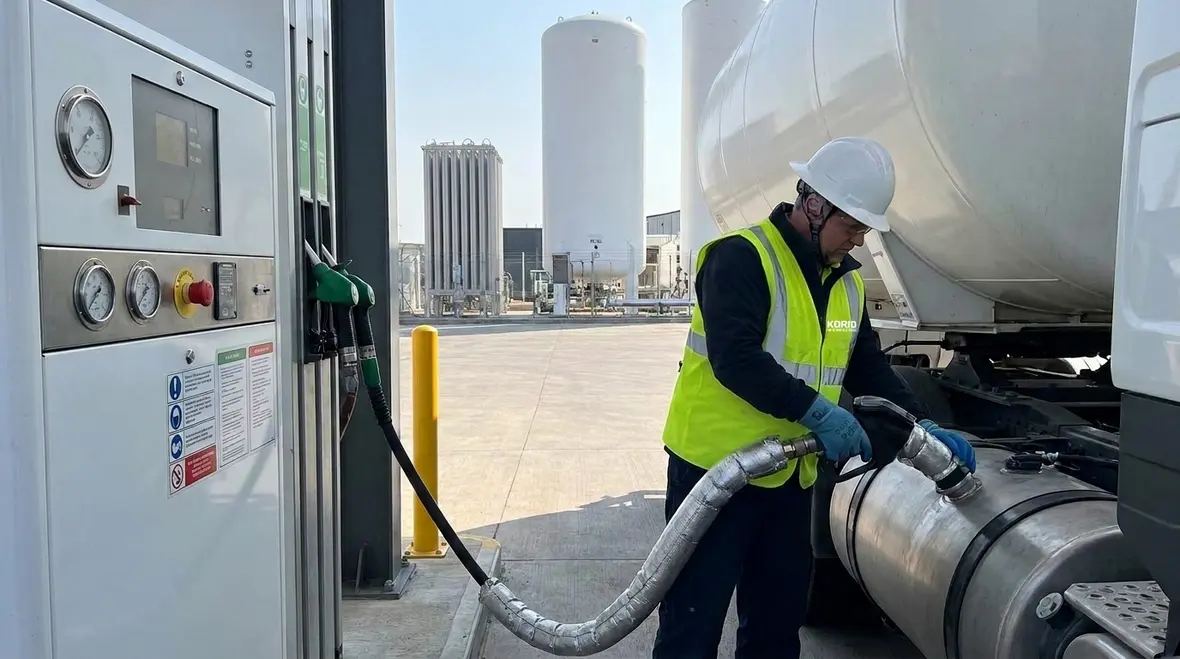
NFPA 52 Section 20.2 General: LNG Fueling Requirements Overview
Quick Answer: NFPA 52 Section 20.2 establishes baseline LNG fueling expectations for safe operation, including minimum design controls, operational safeguards, and ongoing maintenance responsibilities. Facility owners and operators must align site procedures, equipment condition, and training with applicable fueling installation requirements.
For facilities building a stronger inspection and maintenance program around compliance-driven systems, Kord Fire Protection also offers fire protection services for inspections, testing, maintenance, and repairs across commercial and industrial properties.
What “Section 20.2 General” requires in practice
NFPA 52 LNG fueling general requirements set the foundation for how an LNG fueling site manages hazards during normal fueling, abnormal conditions, inspections, and maintenance. Section 20.2 does not work in isolation; it anchors the overall compliance approach to LNG properties, fueling system integrity, and safe operating practices across commercial, industrial, and retail installations.
For operators, the practical challenge is consistency: the site’s written fueling procedures, inspection routines, and equipment performance must stay aligned with the safety intent of NFPA 52. When that alignment breaks, compliance gaps often surface first during audits, pressure or leak testing verification, valve or detector functional checks, and maintenance documentation reviews.
How Section 20.2 drives the safety management approach
Section 20.2 General typically functions as the “controls framework” for LNG fueling. In real facilities, it translates into three operational expectations:
- System integrity over time: LNG fueling safety depends on equipment that retains performance under cryogenic temperatures, vibration, thermal cycling, and exposure to hazardous atmospheres.
- Defined operating procedures: fueling actions must follow approved steps that prevent uncontrolled release, ignition risk escalation, and unsafe transitions between operating modes.
- Verification and maintenance discipline: routine inspections and documented maintenance must confirm that protective features remain functional. If a protective component is out of tolerance, the fueling process must reflect that reality until corrected.
Commercial sites often fail compliance not because the original installation was incorrect, but because changes occur after commissioning: component replacements, altered maintenance intervals, revised vendor parts, updated software versions, or partial repairs that do not fully validate system behavior.
Which operational procedures typically get scrutinized first
Auditors and safety inspectors tend to test whether day to day operations reflect the safety basis implied by NFPA 52 LNG fueling general requirements. The most frequent scrutiny targets include:
1) Fueling start, connection, and transfer sequence
Section 20.2 expectations generally require controls that prevent unsafe fueling initiation. Operators should be able to demonstrate how they verify fueling readiness, including check conditions prior to valve actuation and transfer. Common failure points include:
- Inadequate pre use checks of hoses, couplings, and connection integrity.
- Documentation that describes fueling steps but does not show operator training completion tied to those steps.
- Inconsistent enforcement of safe exclusion zones and access control during fueling operations.
2) Abnormal condition handling and “stop criteria”
LNG releases can be subtle at the outset and hazardous as they evolve. Facilities should ensure procedures define stop criteria for abnormal events such as suspected leaks, unexpected pressure trends, detector alarms, or equipment faults. A frequent gap involves “generic” emergency language that does not map directly to the site’s specific equipment, alarm logic, and shut down method.
3) Safe shutdown, purge, and restoration to service
NFPA 52 LNG fueling general requirements also emphasize that getting back to normal operation must not be improvised. Operators should maintain a repeatable return to service process that includes verification of protective functions and leak tightness as required by the applicable system design and prior incident conditions.
Inspection and maintenance: where compliance is proven
Section 20.2 General strongly supports the idea that safety features and fueling system components must remain capable. In commercial and industrial environments, this requires a maintenance program that connects inspection outcomes to operational restrictions. Typical elements that compliance teams expect include:
Preventive maintenance that matches cryogenic reality
LNG systems operate in conditions that can degrade components differently than ambient systems. Maintenance planning must reflect cryogenic exposure, thermal cycling, and potential ice formation effects that can impact valves, fittings, and sensors.
Functional checks for protective equipment
Facilities must be able to show that protective components, including those used to detect and respond to hazardous conditions, receive periodic functional verification at defined intervals. A frequent practical problem is maintenance that replaces failed parts but does not validate the full protective behavior the original safety intent relied upon.
Documentation quality and traceability
NFPA 52 compliance often depends on traceable records. Operators should ensure the following are accessible:
- Inspection logs with dates, findings, and corrective actions.
- Maintenance work orders tied to specific assets and original equipment identifiers.
- Evidence of pressure or leak testing verification when required by the site’s maintenance and operational history.
- Training records for operators performing fueling and emergency procedures.
Because these records are frequently requested during compliance reviews, Kord Fire Protection supports commercial operators with systematic inspection, testing, and documentation practices designed to help teams maintain readiness and reduce audit friction. For additional insight on recurring reliability and verification issues, see Proactive Maintenance for Fire Pump System Reliability.
What equipment mechanisms drive LNG fueling risk
To comply with NFPA 52 LNG fueling general requirements, operators should understand the mechanisms that tend to create unsafe conditions over time. Even when design is correct, recurring mechanical and operational issues can undermine safety margins.
Valves, seals, and cryogenic wear
Valve performance can drift due to seal aging, contamination, or repeated thermal cycling. Seals and couplings may also experience reduced effectiveness if maintenance does not account for the material behavior at cryogenic temperatures.
Hose and coupling integrity
Connections are a high consequence point. Improper handling, mechanical damage, or degradation can lead to leaks that are not immediately obvious. Effective compliance requires inspection criteria that operators can reliably apply, with clear thresholds for repair or replacement.
Detection and alarm response alignment
Detectors and alarms must align with the site’s actual hazard scenarios, placement, and response procedures. A common failure point is a mismatch between alarm activation events and the documented operator response steps, leading to delayed or incorrect mitigation during a real event. These recurring risks reinforce why ongoing compliance work should include both field verification and records review. Kord Fire Protection helps commercial facilities establish repeatable verification workflows that support NFPA oriented readiness, and related system support can also tie into broader commercial fire alarm services when facilities need coordinated life safety oversight.
How to build a practical compliance roadmap for Section 20.2
Operators can reduce compliance surprises by treating Section 20.2 as a planning and verification model, not a checklist. A practical roadmap for commercial, industrial, and retail LNG fueling sites includes:
- Map procedures to equipment: confirm each fueling step references the correct system components, protective features, and operator roles.
- Validate abnormal response capability: ensure stop criteria, shut down actions, and return to service procedures are specific and practiced.
- Harden inspection and maintenance cycles: align intervals and acceptance criteria with cryogenic and hazardous environment realities.
- Audit documentation quality: verify that work orders, logs, training records, and testing evidence are complete and internally consistent.
- Use specialist support: engage qualified service partners for recurring verification and improvement planning to sustain long term readiness.
Frequently Asked Questions
Maintain readiness before compliance becomes urgent
Facilities that treat NFPA 52 LNG fueling general requirements as an ongoing verification program reduce risk, avoid last minute correction, and strengthen audit outcomes. Kord Fire Protection can support your team with practical inspection, testing, and documentation discipline tailored to commercial fueling environments. Contact Kord Fire Protection today to build a compliance roadmap and keep your LNG fueling safety program performance aligned with the intent of NFPA standards.

Join Our Newsletter!
Get the latest fire safety tips delivered straight to your inbox From our Newsletter.


