
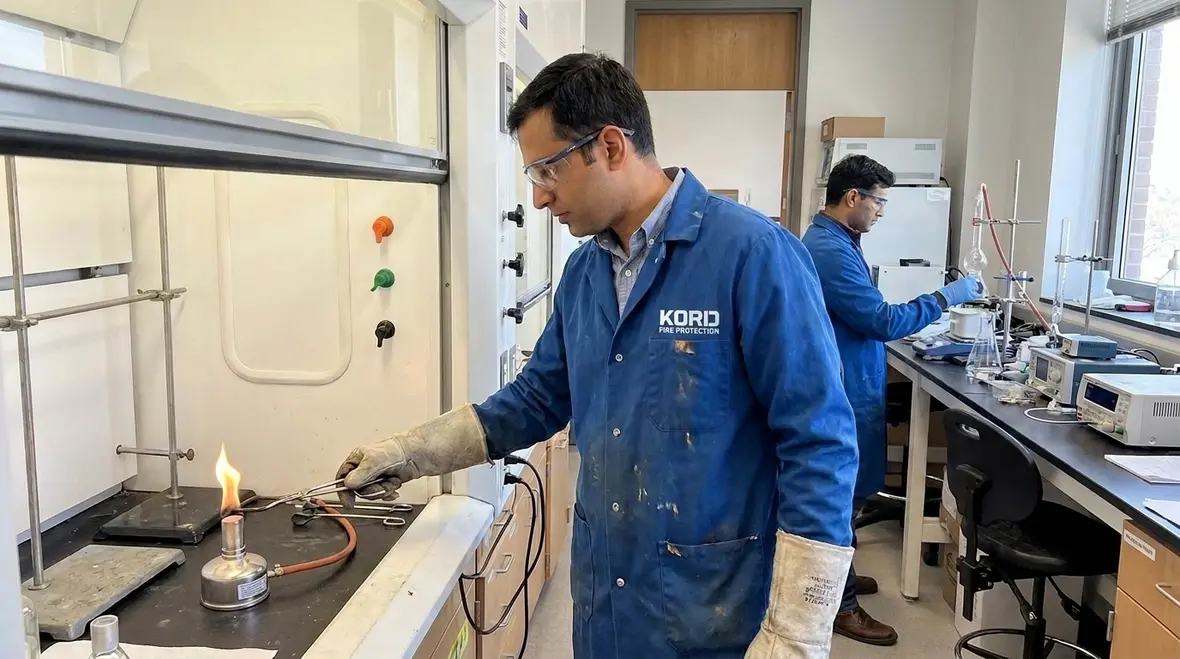
NFPA 45 Section 6.6: Flame-Resistant Clothing Requirements for Labs
Quick Answer
NFPA 45 Section 6.6 sets performance and selection expectations for flame-resistant clothing in laboratory environments. The requirements focus on reducing burn injury potential, ensuring clothing matches the hazards present, and maintaining protective integrity through proper use and care.
What NFPA 45 Section 6.6 requires for laboratory flame exposure controls
NFPA 45 is the benchmark standard for fire safety in laboratories, and Section 6.6 addresses clothing protection when lab tasks create credible flash fire or flame hazards. Facilities implementing NFPA 45 laboratory flame-resistant clothing programs must connect garment selection to the actual thermal risks in their spaces, then maintain clothing performance over time through inspection, laundering controls, and replacement criteria. This is where many commercial facilities struggle, especially when multiple shifts, third party contractors, or shared lab spaces create inconsistent practices.
Section 6.6 intent in plain operational terms
NFPA 45 Section 6.6 exists to prevent severe burn injuries by requiring flame-resistant clothing that can better resist ignition and limit heat transfer during exposure. In real lab operations, the most common compliance failure points are not procurement alone. They typically involve:
- Hazard mismatch: Clothing selected for one activity level while employees perform higher energy tasks.
- Wear and care drift: Garments used as everyday lab wear, contaminated with residues, or laundered improperly.
- Damage and degradation: Worn cuffs, thinning fabric, tears, melted closures, and compromised seams.
- Accessory exceptions: Treating jackets, aprons, sleeve covers, and lab coats as optional add ons rather than part of the protective system.
For commercial, industrial, and retail settings that operate labs or training labs, these failures become systemic when safety onboarding does not include clothing handling rules and when supervisors do not verify condition and correct use at the point of work.
How facilities should implement NFPA 45 laboratory flame-resistant clothing
Effective implementation treats Section 6.6 as a living program, not a one time purchase. A robust approach typically includes hazard review, a documented clothing selection process, controlled issuance, and periodic verification.
1) Match clothing type to the lab hazard profile
NFPA 45 laboratory operations often involve ignition sources such as burners, hot plates, open flames, electrical equipment, flammable vapor releases, and experimental procedures. Facilities should assess which tasks can produce flash fire or flame exposure and then define required garment categories accordingly. This includes making decisions for:
- General lab areas versus specific risk zones
- Duration and proximity of the employee to ignition sources
- Whether supplemental garments are needed for transient hazards
- How protective layers interact, including underlayers and closures
2) Define acceptable garment characteristics and system components
Section 6.6 focuses on flame resistant clothing performance for lab personnel. In practice, compliance depends on ensuring garments are designed and manufactured for flame resistant use, with no reliance on improvised substitutes. Facilities should standardize:
- Shirts, pants, coveralls, and lab jackets that are appropriate for the identified hazard
- Boots and other outer protective items that do not create unsafe gaps or increase ignition risk
- Compatibility with respiratory protection and PPE use, where applicable
3) Establish issuance rules and “at the point of work” accountability
Many commercial lab programs fail because clothing is stored and issued like general PPE rather than managed as protective fabric with performance limits. Facilities should implement:
- Controlled distribution with size and garment type tracking
- Clear rules for who must wear which items, and during which tasks
- Supervisor verification during pre task briefings and inspections
Facilities strengthening documentation and inspection workflows can also review fire safety compliance management with automated documentation for a practical look at keeping audit evidence organized.
Inspections and maintenance: the performance protection most labs overlook
Flame resistant fabric only performs as intended when it remains intact and uncontaminated. Facilities that treat garments like ordinary uniforms commonly lose performance through routine lab processes.
What to inspect during compliance walkdowns
Commercial and industrial environments benefit from a repeatable inspection routine. During routine checks, verify:
- Fabric condition: thinning, glazing, or degradation
- Damage: tears, worn seams, broken or compromised closures
- Contamination: oils, greases, solvents, and residues that can change thermal behavior
- Fit and coverage: sleeves, collars, and waistlines that do not leave unsafe exposure gaps
Laundering and care controls that prevent hidden noncompliance
Garment laundering practices frequently cause performance drift. A compliant program defines:
- Approved detergent and wash cycles, aligned with manufacturer instructions
- Handling of heavily contaminated garments as damaged or restricted until evaluated
- Drying methods that do not introduce unsafe heat or fabric damage
- Documentation for laundry service providers, if outsourced
Where multiple departments share laundry operations, facilities should avoid “one size fits all” processes. Instead, treat flame resistant garments as a distinct asset class with controlled handling.
When to remove garments from service
Facilities should establish clear removal criteria that trigger immediate replacement, not “later.” Replace garments when visible damage, persistent contamination, or fabric wear indicates degraded protective capability. This reduces the risk of employees wearing compromised NFPA 45 laboratory flame-resistant clothing during high hazard tasks.
Real world compliance challenges in commercial facilities
Even when the lab owns the correct garment types, compliance can fail due to operations and staffing realities. Common challenges include:
- Contractor and temp staffing that does not understand the garment use and care rules
- Shared lab spaces where equipment changes make hazard profiles dynamic
- Inconsistent supervision across shifts and departments
- Inventory shortages that lead to substitutions and performance compromises
Kord Fire Protection supports ongoing compliance management by helping facilities verify protective program controls, coordinate documentation, and maintain fire safety readiness as conditions change. For organizations building repeatable, inspection ready safety systems, partnering with a commercial fire protection professional strengthens continuity between training, inspections, and corrective actions.
Teams working in research heavy environments may also find useful context in fire protection compliance for Irvine tech campuses, especially where labs, technical operations, and documentation standards overlap.
To explore how fire and life safety services support laboratory readiness and broader compliance programs, review Kord Fire Protection services.
Practical checklist: make Section 6.6 audit ready
Facilities can reduce audit friction by consolidating evidence and operational controls. The checklist below aligns with how commercial inspectors typically evaluate readiness around flame resistant clothing programs.
| Program Element | What to Document | Operational Proof |
|---|---|---|
| Hazard based selection | Task hazard summary and garment category mapping | Updated list by lab area and activity |
| Controlled issuance | Who receives what, when, and why | Inventory and distribution records |
| Care and laundering rules | Manufacturer care guidance and internal SOPs | Laundry handling controls and restricted items process |
| Inspection and replacement | Removal criteria and inspection frequency | Condition checks and replacement logs |
| Training | Initial and refresher training records | Point of work verification and supervisor oversight |
When these elements are tracked consistently, NFPA 45 laboratory flame-resistant clothing becomes a measurable control rather than a static compliance statement.
Frequently Asked Questions
Take action now
NFPA 45 laboratory flame-resistant clothing compliance depends on more than purchasing garments. Facilities should verify hazard based selection, enforce care and inspection controls, and document removal criteria to prevent performance drift. If your program needs stronger audit readiness or ongoing support, contact Kord Fire Protection to strengthen your laboratory fire safety readiness through practical, service focused compliance management.

Join Our Newsletter!
Get the latest fire safety tips delivered straight to your inbox From our Newsletter.



