
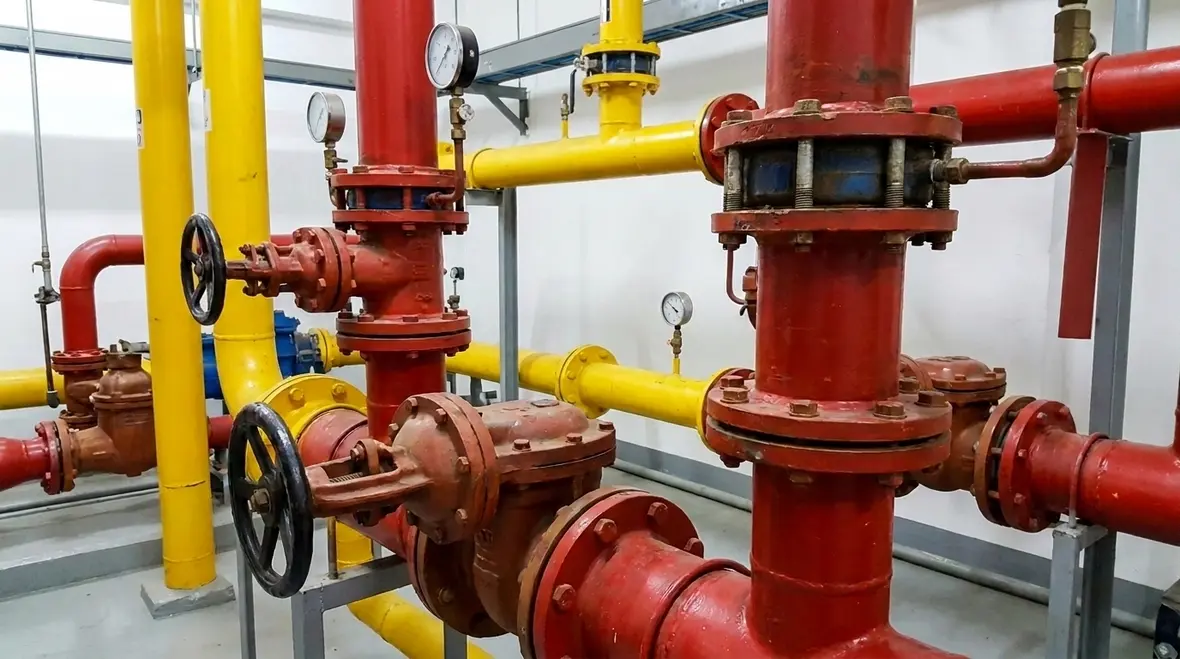
NFPA 37 Section 6.8 Guide: Fuel Piping, Valves, and Fittings for Liquid Systems
Quick Answer
NFPA 37 Section 6.8 sets performance and installation expectations for fuel piping, valves, and fittings used in liquid systems. It focuses on safe flow control, leak resistance, material compatibility, and inspection readiness to prevent release and ignition hazards.
What NFPA 37 liquid fuel piping valves fittings requirements require in practice
Facilities relying on liquid fuel systems must manage mechanical integrity from the tank to the final control point. In real operations, NFPA 37 liquid fuel piping valves fittings requirements drive design details that directly affect leak risk, serviceability, and code compliance. Within commercial, industrial, and retail environments, the most common gaps happen during valve substitutions, vibration damage, improper gasket selection, and missed inspection intervals after repairs.
For a broader look at inspection planning and documentation that actually stays useful after the install crew leaves, see commercial fire safety audit step by step process. It fits naturally here because fuel system compliance tends to fall apart the moment records, follow-up checks, and field changes stop talking to each other.
Where Section 6.8 fits into the liquid fuel safety chain
NFPA 37 Section 6.8 addresses components that control, direct, and isolate liquid fuel. This includes the piping sections, valves, and fittings used to route fuel safely under expected operating and emergency conditions. The section works alongside upstream requirements for tank and system construction, and downstream requirements for burners, controls, and controls interlocks. When piping, valves, or fittings fail to match the intended design basis, even properly engineered burners and controls cannot compensate.
For many commercial installations, compliance becomes a lifecycle issue. A system may pass initial commissioning, then drift out of compliance during maintenance, expansions, or contractor changes. Section 6.8 creates a compliance baseline that should follow every modification, not only the original installation.
Valve selection and installation: how liquid systems stay leak resistant
In liquid fuel systems, valves serve multiple roles: isolation, regulation, start stop control, and protection against unsafe flow conditions. NFPA 37 Section 6.8 expectations typically translate into strict attention to the following operational realities:
-
Compatible construction materials. Valves and sealing surfaces must match the fuel type and conditions. Material mismatch contributes to swelling, embrittlement, and seal degradation.
-
Appropriate end connections and fittings. Threaded, flanged, and mechanical connections require correct preparation and assembly practices to reduce microleaks.
-
Correct orientation and installation practices. Valve orientation affects internal drainage paths, seal loading, and flow characteristics.
-
Controlled torque and joint integrity. Over or under tightening can deform sealing elements or damage seats, creating slow leaks that escape notice until conditions worsen.
Common failure points include seal aging, seat damage from debris, and valve stem packing leakage. Commercial facilities often notice these issues only after symptoms appear such as fuel odor, unusual consumption, or repeated ignition failures. A disciplined inspection approach helps prevent these outcomes.
Fittings and joints: the most frequent source of small releases
Fittings, joints, and connection methods define where stress concentrates and where tolerances stack up. Even when the piping run is sound, a small joint defect can create a persistent leak. NFPA 37 Section 6.8 expectations align with practical risk reduction strategies used in the field:
-
Leak tight connection design. Joints must maintain integrity under pressure and temperature swings associated with burner demand cycles.
-
Proper sealing element selection. Elastomers and gaskets must remain compatible with the fuel and operating temperatures. Incorrect gasket material can harden or soften, leading to seepage.
-
Stress management at supports and routing. Misalignment at flanges or threaded runs can impose bending loads that fatigue fittings over time.
-
Debris control. Foreign material during maintenance can damage seats and sealing faces, creating fast onset leakage.
From an inspection standpoint, the joint locations are where operators should focus. Routine walkthroughs should include observation of sweating, staining, corrosion patterns, and valve box conditions, followed by targeted testing when conditions indicate degradation.
Inspection, testing, and maintenance: staying compliant between turnarounds
NFPA 37 Section 6.8 compliance extends beyond the initial install. Commercial facilities often rely on blended schedules that include burner tune ups, seasonal service, and annual fire protection maintenance. The risk is that fuel piping work gets treated as “mechanical only,” while it actually has fire safety implications.
A practical compliance program for liquid fuel piping valves fittings requirements typically includes:
-
Pre service verification after any plumbing or valve work. Any replacement or rework should be followed by a leak integrity check appropriate to the system design.
-
Evidence based condition monitoring. Inspect seals, packing, and joints for seepage indicators, then trend findings over time.
-
Coordination with burner and control maintenance. Valve leakage and control misoperation can produce similar operational symptoms, such as ignition failures or unstable combustion.
-
Documentation and traceability. Keep records of valve identifiers, replacement parts, and service dates so compliance reviews remain defensible.
Kord Fire Protection supports commercial clients with inspection oriented maintenance planning and documentation support to help teams close the most common compliance gaps. For a practical overview of recurring service support, see full fire protection services.
Common commercial compliance challenges under Section 6.8
Even well maintained facilities face recurring issues. These challenges usually involve change management, installation quality, and service access:
-
Non equivalent valve replacements. Contractors may swap “similar” valves that do not match sealing design, rated pressure, or service suitability for the fuel. Over time, this creates leak paths and inconsistent shutoff performance.
-
Undetected packing leakage. Stem packing can weep intermittently, especially after thermal cycling. Without scheduled checks, leaks can accumulate unnoticed.
-
Joint damage from improper alignment. Vibration and shifting supports can slowly loosen connections or fatigue fittings, especially where piping enters equipment cabinets or manifolds.
-
Maintenance-driven contamination. Scale or debris introduced during service can damage valve seats and fittings, leading to seepage or failure to isolate.
For retail and light industrial properties, these issues often get amplified by limited access and the use of multiple trades during renovations. A coordinated compliance checklist for fuel piping work reduces the likelihood of undocumented deviations.
Frequently Asked Questions
Conclusion and next steps
NFPA 37 Section 6.8 demands disciplined control of liquid fuel piping, valves, and fittings so leak risk stays low over the full operating life. Commercial teams should treat every valve or fitting change as a compliance event, complete leak integrity verification, and maintain full part traceability. If the facility needs an NFPA 37 centered review of fuel piping components, Kord Fire Protection can help establish a practical inspection and maintenance plan aligned with real world commercial operations. Contact Kord Fire Protection to get started.

Join Our Newsletter!
Get the latest fire safety tips delivered straight to your inbox From our Newsletter.



