
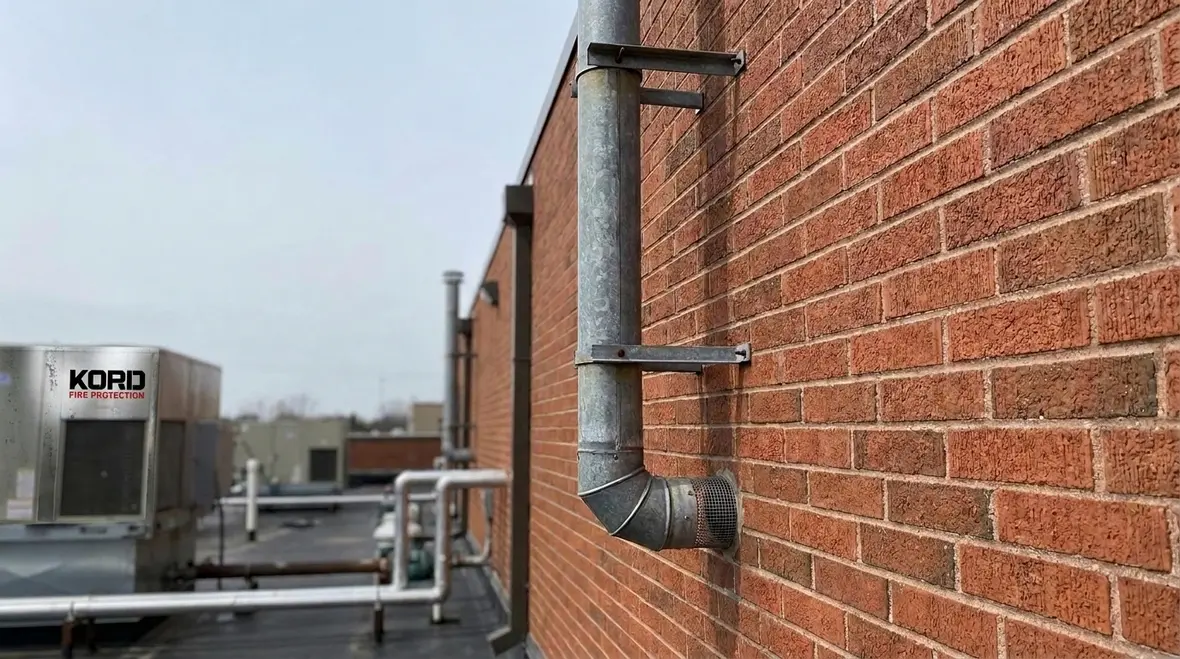
NFPA 37 Section 5.4: Atmospheric Vent Lines in Gas Fuel Systems
Quick Answer: NFPA 37 Section 5.4 establishes how atmospheric vent lines for gas fuel systems must be routed, supported, and terminated to safely discharge combustion products and vent vapors. Facilities must ensure adequate draft, prevent obstruction, and maintain performance through inspection and upkeep.
Why NFPA 37 atmospheric vent line requirements gas fuel matter in real facilities
Commercial, industrial, and retail sites rely on gas fuel equipment that can create hazardous byproducts, nuisance releases, and unsafe backdraft conditions if venting is compromised. In day to day operations, atmospheric vent lines often fail due to damaged piping, incorrect termination, improper slope or alignment, and contamination from maintenance activities. NFPA 37 atmospheric vent line requirements gas fuel are designed to limit those failure modes by specifying safe routing and venting behavior for atmospheric systems.
For practical compliance, organizations typically need a documented inspection process that checks both the vent line components and the conditions that affect performance, such as obstructions, condensate management, and physical damage. Kord Fire Protection supports facilities with ongoing compliance services focused on inspection readiness and corrective actions. If your team is tightening up the broader maintenance picture, fire protection services in Southern California can help connect inspections, repairs, and documentation into one cleaner workflow.
What NFPA 37 Section 5.4 covers for atmospheric vent lines
NFPA 37 Section 5.4 addresses atmospheric vent lines connected to gas fuel systems. In plain terms, it focuses on the components and installation practices that allow vent gases to travel to the outdoors safely by natural draft. Where the system relies on atmospheric venting, the vent line becomes part of the safety chain: if venting does not perform as intended, combustion byproducts may spill into occupied or work areas.
Because atmospheric systems do not use mechanical draft equipment to guarantee flow, Section 5.4 places emphasis on installation details that preserve natural exhaust path integrity. Common compliance themes include proper termination location, prevention of blockage, and maintenance of the vent line in a condition that supports safe venting.
Key compliance requirements facilities must verify during inspections
1) Routing and termination that preserve natural draft
Atmospheric vent lines must be installed and arranged so vent gases can exit without restriction. Facilities should verify that the vent path remains unobstructed and that termination points are configured to prevent blockage from environmental sources such as snow, debris, landscaping growth, or air intakes that can interfere with vent discharge.
From an inspection standpoint, the most common real world issues include incorrect termination clearances, vent outlets positioned where stored materials restrict airflow, and vent terminations located where routine cleaning or maintenance can redirect flow or introduce obstructions.
2) Mechanical integrity: supports, alignment, and protection
Vent lines must maintain structural stability across thermal cycling and building movement. Section 5.4 requirements are commonly interpreted in the field through practical checks: supports prevent sagging, joints remain sealed, and the vent system stays aligned to avoid partial obstructions.
Commercial and industrial environments create additional risk through forklift traffic, ladder work, and vibration from adjacent equipment. Kord Fire Protection often recommends a site specific inspection cadence that reflects these exposures, rather than a one size fits all schedule.
3) Obstruction control and “no modification” discipline
Atmospheric vent line performance is sensitive to changes in configuration. Field modifications such as added elbows, capped sections, oversized adaptors, or temporary coverings can interrupt flow and increase the risk of spillage.
Facilities should implement controls that prevent unplanned work around the vent line. A simple but effective method is to treat the vent assembly as a restricted component: any modification requires documented engineering review and gas supplier or qualified contractor signoff.
4) Condition monitoring: corrosion, leaks, and deterioration
Vent lines experience heat, condensate, and corrosion potential. Over time, corrosion can thin wall sections, degrade fittings, and create leakage points. Leaks may not always be visible, especially where the system runs in concealed spaces.
During compliance readiness activities, inspectors typically verify physical condition and look for evidence of deterioration around joints, hangers, and transition points. Maintenance plans should include periodic checks of inaccessible areas using the safest access method available, documented in the work order and inspection record.
Common failure points seen on atmospheric vent lines
Even when installation started correctly, atmospheric vent lines can drift out of compliance due to operational changes and building activity. The following issues frequently surface during commercial evaluations:
- Backdraft and spillage risk: caused by termination issues, wind interference, or blocked vent paths.
- Physical obstruction: debris, snow buildup, stored materials, or accidental coverings after maintenance.
- Sagging or misalignment: failed supports that allow low points where flow behavior becomes unpredictable.
- Corroded fittings and joints: deterioration that compromises seal integrity.
- Improper modifications: unapproved adapters, additional fittings, or changes to routing.
These failure points can translate into safety incidents, enforcement findings, and costly downtime. A focused inspection and maintenance program reduces risk by catching defects early, when repair is simpler and less disruptive.
Inspection and maintenance practices that support ongoing compliance
Compliance does not end at installation. Facilities that maintain atmospheric systems tend to approach vent line management as a repeatable process tied to service schedules. A strong program includes:
- Documented vent line walkdowns: confirm routing, termination, and accessibility for inspection.
- Joint and support checks: verify hangers, brackets, and visible joint condition.
- Obstruction prevention: control landscaping, housekeeping placement, and work site practices near terminations.
- Work permit discipline: require review of any changes affecting vent line configuration.
- Corrective action tracking: ensure defects are logged, repaired, and verified.
Kord Fire Protection helps commercial facilities sustain readiness by aligning venting assessments with routine compliance expectations, maintenance workflows, and documentation standards. For additional technical context on related life safety systems and compliance documentation, facilities can also review this fire protection compliance auditing guide to support an integrated approach.
Frequently Asked Questions
Call to action
If your facility operates gas fuel equipment with atmospheric venting, confirm your vent line condition and installation details align with NFPA 37 Section 5.4 and your site’s maintenance realities. Engage Kord Fire Protection for expert vent line compliance support, inspection readiness, and corrective action verification so operations stay safe, documented, and inspection ready.

Join Our Newsletter!
Get the latest fire safety tips delivered straight to your inbox From our Newsletter.



