
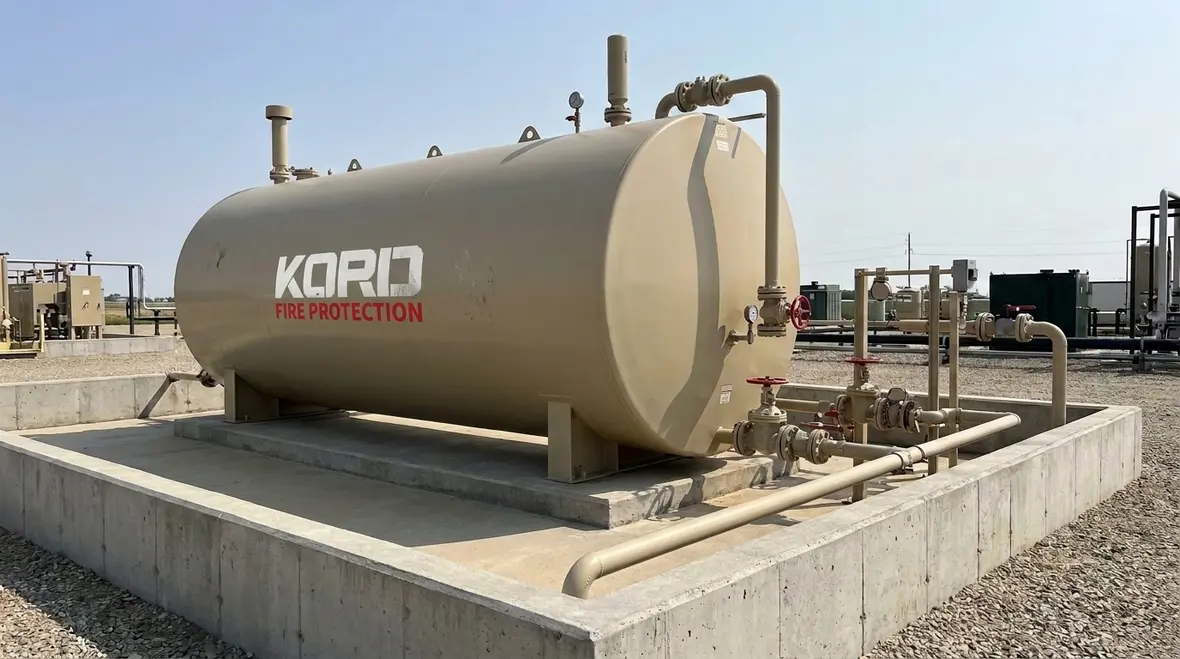
NFPA 37 Section 6.1: Design and Construction of Liquid Fuel Tanks
Quick Answer: NFPA 37 Section 6.1 sets the baseline design and construction expectations for liquid fuel storage tanks, focusing on containment integrity, hazard controls, and safe operating conditions. Facilities must align tank materials, configurations, and installation details to reduce leak, fire, and escalation risks.
What NFPA 37 Section 6.1 requires in plain terms
NFPA 37 liquid fuel tank design construction requirements drive how commercial and industrial sites build and install liquid fuel storage tanks so they remain safe through normal use, foreseeable upset conditions, and long term service. In practice, compliance hinges on selecting compatible materials, ensuring structural and containment adequacy, and verifying that installation and appurtenances support safe fuel handling. Many facilities only discover gaps during commissioning or after a field inspection, when documentation and field-installed conditions do not match the expected design basis.
For facilities managing fuel systems, Kord Fire Protection helps translate code language into actionable compliance workflows, including documentation support, inspection planning, and maintenance readiness so tanks stay aligned with current fire safety expectations.
If your site is tightening inspection readiness across multiple systems, explore fire protection services in Southern California for broader support that fits naturally alongside tank compliance planning.
How Section 6.1 shapes tank design decisions before installation
Design compliance starts well before steel is delivered or concrete pads are poured. NFPA 37 Section 6.1 influences several foundational choices that impact both day to day operations and how emergency scenarios unfold.
1) Material compatibility and long term integrity
Tank shells, linings, gaskets, and seals must remain compatible with the specific liquid fuel. Material mismatches lead to loss of containment through corrosion, cracking, or gasket degradation. Commercial sites often face accelerated aging when fuels include additives, contaminants, or water. Effective compliance planning addresses fuel chemistry, expected temperature ranges, and inspection intervals that reflect real operating conditions.
2) Structural adequacy for operating and environmental loads
Section 6.1 expectations extend to structural stability under normal fill levels and credible stresses such as foundation settling, thermal expansion, wind loads, and localized impacts. Tanks that look correct on day one can become noncompliant as bases shift or anchorage loosens. Facilities should treat anchorage checks and settlement monitoring as part of ongoing fire safety management, not optional housekeeping.
3) Containment and leak control as the core hazard barrier
For liquid fuels, the containment strategy matters more than almost any cosmetic detail. A tank can comply on paper but fail in the field if spill containment features do not function as intended due to incorrect installation, poor drainage design, or unsealed penetrations. Facilities typically reduce risk by ensuring secondary containment capacity, proper slope to prevent pooling, and correct management of runoff paths.
Installation and appurtenances: where compliance commonly breaks
Section 6.1 does not stop at the vessel. It extends into the installed system, including how tank components connect, how fuel lines pass through boundaries, and how valves and fittings protect against unsafe conditions. The most frequent real world findings usually occur at penetrations, interfaces, and retrofit points.
Piping penetrations, valves, and connections
Field conditions can introduce unintended leak paths at flanges, unions, manway interfaces, and valve packing. Poor alignment, incorrect torque, worn gaskets, and unmanaged thread sealant practices create chronic seepage risks. Maintenance teams should maintain records of replacement parts, torque procedures, and inspection outcomes so the facility can demonstrate ongoing control over connection integrity.
Supports, foundations, and corrosion management
Corrosion often begins where coating damage or moisture retention occurs. Supports and foundations should be inspected for coating breakdown, debris accumulation, and staining patterns that indicate early leakage. Many commercial facilities also underestimate how quickly protective coatings age when subjected to fuel exposure or cleaning chemicals. A formal corrosion management approach supports consistent compliance.
Vent, pressure relief, and emergency response interfaces
Liquid fuel tanks require safe pressure and vapor management features. If vents, relief devices, or associated discharge routing are obstructed, corroded, incorrectly routed, or not tested on schedule, the tank can become more hazardous than intended by the design. Compliance programs should include verification practices that confirm these safety devices remain unobstructed, correctly installed, and within required performance parameters.
Inspection, testing, and maintenance: turning code into uptime
Code compliance becomes meaningful when it translates into maintenance execution and inspection evidence. NFPA 37 Section 6.1 risk controls rely on ongoing performance. That means commercial facility owners and operators must establish inspection plans that cover both vessel and installed components.
Operational checks that prevent hidden deterioration
- Leak detection routines: Documented rounds that focus on likely leak points such as flanges, valve stems, piping connections, and manway areas.
- Visual and integrity verification: Coating condition, rust patterns, bulging, deformation, and evidence of moisture intrusion at foundations and supports.
- Vent and relief readiness: Confirmation that devices are accessible, unobstructed, and not modified outside the approved configuration.
Maintenance records that satisfy inspectors and stakeholders
Facilities that keep maintenance documentation current typically avoid longer compliance timelines. Records should show what was inspected, the date, the condition found, corrective actions taken, and replacement details. When contractors perform work, the facility should require closeout paperwork that ties field changes to the facility’s design basis and installation configuration.
Common commercial facility failure points (and how to address them)
Even well designed tanks can drift out of compliance due to operational shortcuts, unmanaged contractors, and delayed corrective actions. The following failure points appear repeatedly in commercial and industrial environments.
Retrofits and “temporary” work that becomes permanent
Temporary piping reroutes, improvised supports, and unapproved bypasses can introduce new leak paths or compromise containment performance. Facilities should establish a change control process that requires engineering and fire protection review before modifications occur.
Corrosion under insulation or coatings
When coatings fail or insulation traps moisture, corrosion accelerates in hidden areas. Maintenance programs should include periodic coating assessments and spot checks where degradation is likely.
Deferred repairs and slow leak development
Small seepage events can expand into significant leaks through vibration, thermal cycling, or gasket aging. A strong response plan treats leaks as early warning signals and prioritizes repair verification, not just patching.
Documentation gaps during commissioning or renewal inspections
Facilities often cannot demonstrate compliance if installation drawings, vendor data, and maintenance evidence are scattered or incomplete. A structured document control approach reduces audit friction and helps ensure that ongoing inspections align with how the tank system was actually built.
To support broader fire protection readiness, many organizations also coordinate related fire safety systems through Kord Fire Protection’s commercial compliance services. For an overview of how those efforts integrate with ongoing site safety, see Kord Fire Protection.
Implementation checklist for NFPA 37 liquid fuel tank design construction requirements
The following practical checklist supports implementation of NFPA 37 Section 6.1 in a commercial environment. Use it to structure internal reviews and contractor coordination.
- Confirm the tank’s design basis: Match the installation to the approved drawings, materials list, and capacity assumptions.
- Verify containment performance: Ensure secondary containment capacity, drainage behavior, and sealing at penetrations are correct.
- Inspect connections and appurtenances: Flanges, valves, gaskets, manways, vents, and pressure relief devices.
- Establish maintenance and inspection intervals: Include corrosion checks, leak monitoring, and verification of safety device readiness.
- Maintain complete records: Keep inspection logs, corrective action reports, and replacement part documentation.
- Control change management: Require review and signoff before modifications, rework, or reconfiguration.
When facilities standardize these steps, NFPA 37 liquid fuel tank design construction requirements become repeatable operational practice rather than a one time compliance event. Kord Fire Protection supports facilities through compliance planning, inspection support, and maintenance alignment so the tank system stays safe and demonstrably compliant.
Frequently Asked Questions
Get tank compliance support before issues become downtime
Facility teams can reduce inspection surprises by auditing tank installations against NFPA 37 liquid fuel tank design construction requirements and tightening maintenance evidence. Kord Fire Protection can help coordinate practical compliance workflows, inspection readiness, and ongoing maintenance alignment so liquid fuel systems stay safer and easier to defend. Contact Kord Fire Protection today to plan your next tank review and documentation refresh.

Join Our Newsletter!
Get the latest fire safety tips delivered straight to your inbox From our Newsletter.



