
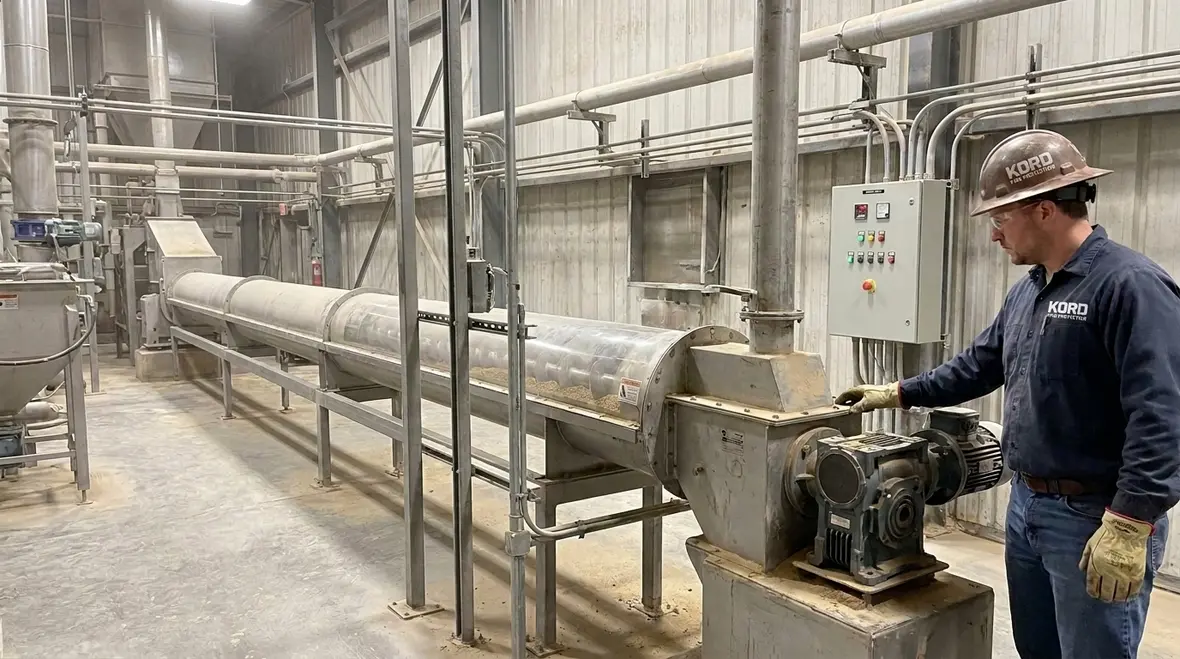
NFPA 36 Section 7.5: Conveying Systems Within the Extraction Process
Quick Answer
NFPA 36 Section 7.5 governs conveying systems used during extraction operations, focusing on safe movement of combustible materials, mechanical integrity, appropriate controls, and inspection readiness. Facilities must design for hazard mitigation, prevent ignition sources, and maintain documented testing to meet NFPA 36 extraction conveying systems requirements.
Facilities tightening inspection routines and compliance records can also explore fire safety compliance management with automated documentation as a practical next step for keeping testing, corrective actions, and reporting organized.
Why Section 7.5 matters to commercial extraction operations
Extraction processes in commercial, industrial, and retail environments rely on conveying systems to move feedstock, intermediate fractions, and byproducts through processing steps. During extraction, those materials can be combustible, may carry residual solvents or vapors, and can create fuel, dust, or liquid hazards depending on the operation. NFPA 36 Section 7.5 addresses how conveying systems must be installed, operated, and maintained so that the extraction workflow does not introduce unacceptable ignition opportunities or uncontrolled propagation.
In practical terms, the compliance challenge often appears after installation, when maintenance practices, component wear, and operational changes increase risk. Kord Fire Protection supports facilities by translating code intent into inspection, testing, and service plans aligned with real plant conditions.
What “conveying systems within the extraction process” covers
Section 7.5 applies to conveying equipment integrated into the extraction process chain. That includes systems that transport combustible or potentially ignitable materials and that operate while extraction is actively producing conditions capable of sustaining fire or flash fire.
Common conveying technologies used in extraction workflows
Enclosed screw conveyors and augers: Often used for powders, pellets, or semi dried solids. Failure modes include jammed flights, overheated bearings, and damaged seals.
Bucket elevators: Used for vertical lift of dry solids. Critical issues include drive overload, damaged belt or chain tracking, misaligned buckets, and deterioration of housings.
Air-assisted or pneumatic conveying: Used where bulk material must be moved without contact. Primary concerns include static control, filter condition, and pressure loss that changes flow behavior.
Drag conveyors and enclosed trough systems: Common in industrial lines. Risk areas include worn scrapers, hot work surfaces, and accumulating residues.
Transfers and spouting at connection points: Junction areas where fugitive material may escape and where impact, friction, or sparking can occur.
NFPA 36 extraction conveying systems requirements typically push facilities to treat the conveying line as part of the hazard area rather than a separate “mechanical” scope. Design and maintenance decisions must account for combustible loading, friction points, and safe shutdown or control strategies when extraction conditions change.
Design controls that reduce ignition risk during extraction
NFPA 36 Section 7.5 emphasizes preventing ignition and limiting fire development through appropriate system characteristics. The strongest compliance programs address both the mechanical system and the interface points that create higher risk.
1) Enclosure, access, and containment of combustibles
Many conveying fires start with escaped material. As residues build up around hoppers, transition chutes, or access doors, the conveyed stream can drop, ignite, and feed the fire. Compliance-focused installations maintain enclosure integrity, manage access openings, and implement cleaning access that supports routine removal of fugitive deposits.
2) Avoiding friction, impact, and hot surfaces
Within conveying systems, ignition sources frequently come from mechanical wear. Bearings with deteriorated lubrication, misaligned shafts, belt or chain rubbing, and damaged liners can generate heat. Facilities should ensure the equipment design and component selection support safe operation under the expected loads, moisture levels, and material properties used in extraction.
3) Electrical equipment and control strategy alignment
Extraction environments can introduce vapor and combustible dust risk. Conveying system controls, motors, starters, sensors, and interlocks must align with the hazardous conditions present. When controls rely on automation, facilities also need fault strategies that bring equipment to a safe state during abnormal conditions such as jam detection, loss of conveyance, or abnormal pressure in pneumatic systems.
4) Static discharge and pneumatic system considerations
Air conveying can increase static hazard if materials are plastic, fine, or prone to triboelectric charging. Compliance requires appropriate measures that typically include bonding, grounding, and conductive components where applicable, plus filter management to avoid pressure and flow changes that can alter hazard conditions.
Inspection, testing, and maintenance: where compliance is won or lost
Even well designed conveying systems fail compliance during aging and poor maintenance. Section 7.5 expects that conveying equipment remains capable of operating safely over time, which means routine inspection, corrective actions, and documented maintenance practices.
High value inspection points for extraction conveyors
Residue and fugitive material buildup: Inspect spouting, discharge chutes, access panels, and seals. Residue accumulation often indicates airflow imbalance, misalignment, or wear at transfer interfaces.
Bearings, drives, and lubrication systems: Look for overheating signs, abnormal noise, leakage, and degraded grease. Establish temperature or vibration thresholds where the facility uses condition monitoring.
Seals, gaskets, and access door integrity: Verify that enclosures remain closed and that seals prevent material escape during routine operations.
Mechanical alignment and clearance: Confirm shafts, chains, belts, buckets, and flights remain within manufacturer tolerances to prevent rubbing or impact.
Filter performance in pneumatic systems: Monitor differential pressure and cleanout procedures so filters do not create new hazard conditions through loss of containment or abnormal flow.
Common failure points that trigger enforcement risk
Facilities often discover noncompliance after an incident, internal audit, or insurance review. Common issues include missing records of inspection activities, unaddressed wear on liners and liners that can change friction behavior, and control logic that does not reliably stop equipment during abnormal extraction conditions.
Kord Fire Protection helps commercial sites build a practical compliance pathway by aligning inspection scope with NFPA based fire protection requirements and by supporting maintenance verification that reduces repeat deficiencies.
Operational procedures: controls, shutdown behavior, and housekeeping
NFPA 36 Section 7.5 compliance depends not only on hardware but also on how teams operate and respond. Extraction processes can change rapidly, and conveying systems must remain predictable during those transitions.
Operating procedures that support safer conveyance
Start up sequencing: Run conveyors in the correct order relative to extraction feed conditions to prevent overfeeding, starving that leads to bridging, or creating backflow of combustibles.
Jam and loss of conveyance response: Use interlocks or monitored indicators that stop upstream feed and allow safe clearing procedures. Avoid manual clearing while conditions are unsafe.
Housekeeping requirements: Establish cleaning schedules that address normal and abnormal residue accumulation, including transfer points that collect material.
Permit and hot work controls: Manage cutting, grinding, and maintenance activities near conveying components that may contain residue or vapors. Verify isolation where necessary.
Common operational gaps
Where compliance breaks down, facilities often lack clear criteria for when conveyors must be stopped and how residues must be cleared. Another frequent gap involves informal adjustments, such as increasing feed rates to compensate for worn conveyors. Those changes can increase friction, reduce enclosure integrity effectiveness, and elevate hazard potential.
How Kord Fire Protection supports NFPA 36 compliance
Commercial facilities need repeatable programs that translate code expectations into on the floor practices. Kord Fire Protection supports conveying system compliance through coordinated assessments, inspection planning, and ongoing service that targets the real-world risk drivers inside extraction environments.
For related guidance on coordinated system readiness, facilities can review fire and electrical system support for compliance to explore how control interfaces, standby power, and field support come together for sustained readiness.
When organizations couple equipment maintenance with documented inspection and testing, they reduce the likelihood of ignition opportunities, improve defensibility during audits, and strengthen overall loss prevention performance.
Frequently Asked Questions
Next step: align your conveying program with Section 7.5
Review your extraction conveying system inventory, focusing on enclosed integrity, friction and hot surface risk, pneumatic containment, and shutdown controls. Then verify that inspections and corrective actions are documented and actually reflect operating conditions. Contact Kord Fire Protection to develop a field-ready compliance and maintenance plan that supports NFPA 36 extraction conveying systems requirements and reduces enforcement and incident risk.

Join Our Newsletter!
Get the latest fire safety tips delivered straight to your inbox From our Newsletter.



