NFPA 36 Section 7.1 Scope: The Extraction Process
Quick Answer: NFPA 36 Section 7.1 defines what the standard covers for extraction operations, including process hazards, building and operational protections, and inspection expectations. The NFPA 36 extraction process scope focuses on controlling ignition sources, managing flammable vapors, and maintaining reliable safeguards.
For a broader look at solvent extraction fire safety expectations and how these issues connect to real facilities, see NFPA 1 Section 44.2 Solvent Extraction Fire Safety.
What does “Section 7.1 scope” mean for extraction operations?
NFPA 36 Section 7.1 Scope: The Extraction Process sets the boundary for where the standard applies to industrial extraction work. In practical terms, it helps owners, fire protection engineers, and contractors determine which parts of the extraction line must be protected under NFPA 36 requirements, and which hazards must be addressed through design, safeguards, maintenance, and field verification.
For facility managers, the key value of the NFPA 36 extraction process scope is operational clarity. It aligns the extraction process with expected fire protection performance, so compliance does not rely on generic safety statements. Instead, it drives documented risk controls for flammable liquids, combustible dust or residues when applicable, ventilation and vapor management, and equipment integrity.
How NFPA 36 Section 7.1 scopes the extraction line
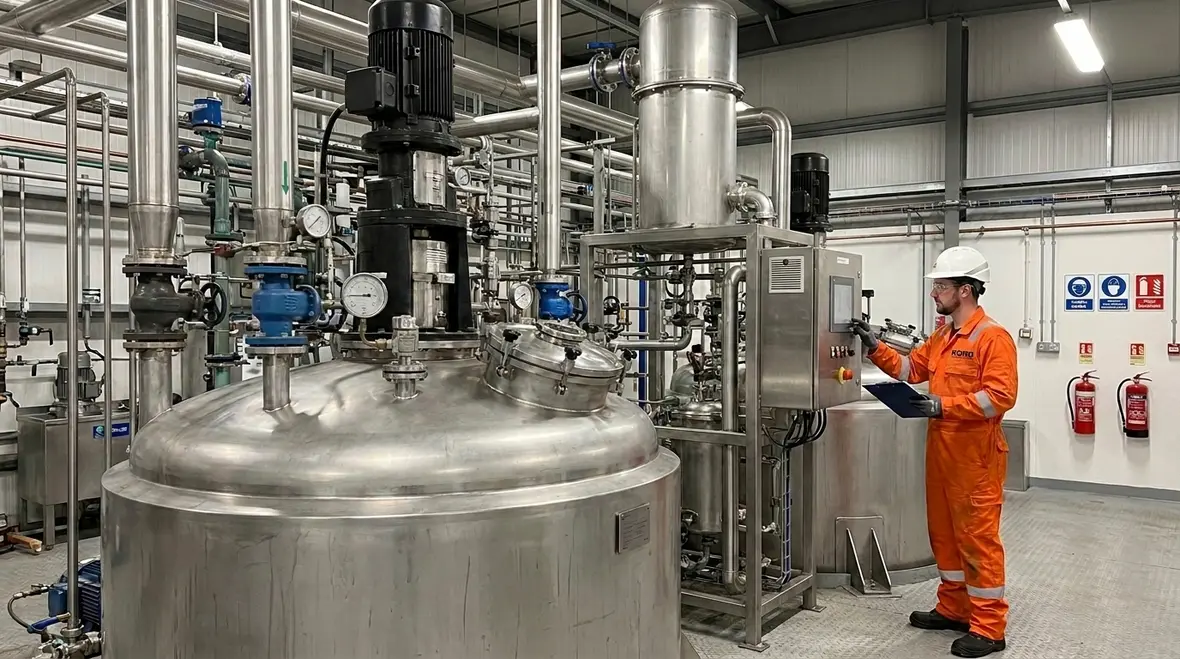
Extraction operations typically involve separating valuable components from a feedstock using a solvent or other extraction media, followed by recovery, concentration, and handling of extracted materials. Section 7.1 scope language functions as a map for compliance. It tells the facility which process segments fall under the extraction framework and should be evaluated for fire protection measures.
Common process areas included in extraction scope evaluations
- Solvent handling and transfer, including receiving, pumping, and routing to extraction vessels.
- Extraction vessels and associated piping, including valves, fittings, and seals that can release vapors.
- Vapor collection and recovery systems, including condensers, distillation or recovery units, and vent routing.
- Heaters, boilers, and thermal processing tied to extraction, where ignition sources can develop if controls degrade.
- Filtration and solids separation steps when they change combustible loading or release residues.
- Packaging or interim storage of extracted products and residues, where property hazards can accumulate.
Why scope boundaries matter for inspections
Commercial and industrial facilities often operate extraction lines with shared utilities and common corridors. If the facility does not clearly define extraction scope boundaries, field inspections may miss the most failure sensitive elements, such as vapor return lines, abnormal pressure relief conditions, or the integrity of seal systems around rotating equipment.
This is where Kord Fire Protection typically adds value by translating scope into practical maintenance and verification plans. The goal is to make compliance repeatable, not accidental.
Core hazard drivers within the extraction process
NFPA 36 extraction scope is not just administrative. It focuses attention on the ignition and fuel side of the equation. Extraction operations can create flammable vapor clouds, transient solvent releases, and ignition sources that do not behave like “steady state” hazards.
Flammable vapors and solvent releases
Solvent systems can release flammable vapors due to:
- Seal wear on pumps and compressors
- Vibration loosening fittings on solvent transfer lines
- Temperature excursions that increase evaporation rates
- Vent system misalignment or blocked vapor routes
Under the extraction process scope, facilities must ensure that safeguards controlling vapor management remain effective during normal operations and credible upset conditions.
Thermal energy, ignition sources, and control failures
Extraction lines may include heat exchangers, condensers, reboilers, and similar equipment. Ignition sources can arise from:
- Overheating in heaters and thermal fluid systems
- Malfunctioning temperature controls or high limit failures
- Improperly maintained electrical enclosures and wiring interfaces
- Mechanical failure that produces frictional heat
Scope driven compliance requires that protective strategies remain functional and testable, not merely installed.
What compliance usually requires operationally: safeguards that must work
NFPA 36 Section 7.1 scope influences how facilities implement fire protection and life safety outcomes across the extraction process. The standard expects systems and procedures that control release, limit ignition potential, and support safe emergency response.
Ventilation and vapor control as an operational system
In extraction environments, ventilation is often a performance system. It must maintain vapor concentration control in areas where releases can occur, including around transfer points, vessel connections, and recovery units.
Common operational compliance challenges include blocked ductwork, inoperative exhaust components, and dampers that drift from set positions. These issues can create zones where vapors accumulate, undermining the assumptions behind the system design.
Electrical classification and equipment integrity
Solvent vapor environments frequently demand electrical equipment that is suitable for hazardous locations. If maintenance practices do not preserve integrity, compliance can degrade even when drawings look correct on paper.
Typical failure points include:
- Damaged enclosures or compromised gaskets
- Improper conduit seals or missing sealing fittings
- Incorrect replacement components during routine work orders
- Grounding and bonding deficiencies that develop over time
Emergency readiness aligned to the extraction process scope
Scope driven planning also ties into how the facility prepares for abnormal conditions. Fire protection strategies may include detection, suppression or extinguishing capabilities where applicable, and clear access for responders. For extraction facilities, evacuation and emergency actions must account for solvent volatility, potential pressure changes, and evolving vapor conditions.
Commercial maintenance and inspection: how facilities keep extraction safeguards effective
Many compliance gaps appear during routine maintenance cycles, contractor turnover, or schedule based shutdowns. A robust approach ensures that safeguards tied to the NFPA 36 extraction process scope remain operational after inspections, repairs, and seasonal changes.
Field verification that supports audit readiness
Effective compliance programs include evidence that the extraction process safeguards operate as intended. That typically means:
- Documented inspections and functional testing of vapor control equipment
- Maintenance records for seals, pumps, hoses, and transfer connections
- Verification of alarm and protective interlock performance where present
- Checks of electrical enclosures and hazardous location protections
Common “silent” failure points in extraction operations
Facilities often overlook issues that do not immediately halt production. Examples include partially blocked vent lines, degraded insulation on heat exchangers, and slow leaks at instrument fittings that release vapors over time.
Kord Fire Protection supports commercial, industrial, and retail facilities by helping translate code scope into practical inspection and maintenance workflows. That support can include evaluation, documentation support, testing coordination, and ongoing service that reduces the risk of non compliant findings during Authority Having Jurisdiction review.
For additional context on how Kord supports commercial compliance and ongoing service, see Fire Protection Services in Southern California.
How to apply NFPA 36 extraction process scope in real projects
Project teams should treat Section 7.1 scope as the starting point for a structured hazard review. The most efficient compliance workflows connect process mapping to fire protection system responsibilities and maintenance requirements.
A practical approach during design, modification, or expansions
- Map the extraction process from solvent transfer through recovery, heating, solids separation, and product handling.
- Identify scope sensitive equipment where releases, temperature excursions, or ignition sources can occur.
- Assign compliance owners across operations, engineering, and fire protection service roles.
- Develop a verification plan for tests, inspections, and evidence collection at commissioning and periodic intervals.
- Plan maintenance impacts so repairs do not compromise vapor control or ignition prevention.
In facilities that blend extraction with retail or light industrial support spaces, scope clarity prevents under protection in transition areas such as loading zones, utility corridors, and maintenance rooms connected to extraction utilities.
Frequently Asked Questions
Conclusion and Call to Action
NFPA 36 Section 7.1 scope provides the compliance foundation for extraction operations by focusing attention on process boundaries, ignition and vapor hazards, and verification expectations. If your extraction line includes solvent systems, recovery equipment, thermal processing, or complex venting, contact Kord Fire Protection to assess safeguard effectiveness, align maintenance practices to the NFPA 36 extraction process scope, and support audit ready documentation.

Join Our Newsletter!
Get the latest fire safety tips delivered straight to your inbox From our Newsletter.