NFPA 36 Section 6.8: Use of Power Tools in Meal Areas
Quick Answer: NFPA 36 Section 6.8 sets fire safety expectations for using power tools in meal areas, focusing on ignition control, safe operation, maintenance, and staff controls. Facilities must align tool selection and usage practices with local code enforcement, documented procedures, and inspection-ready maintenance.
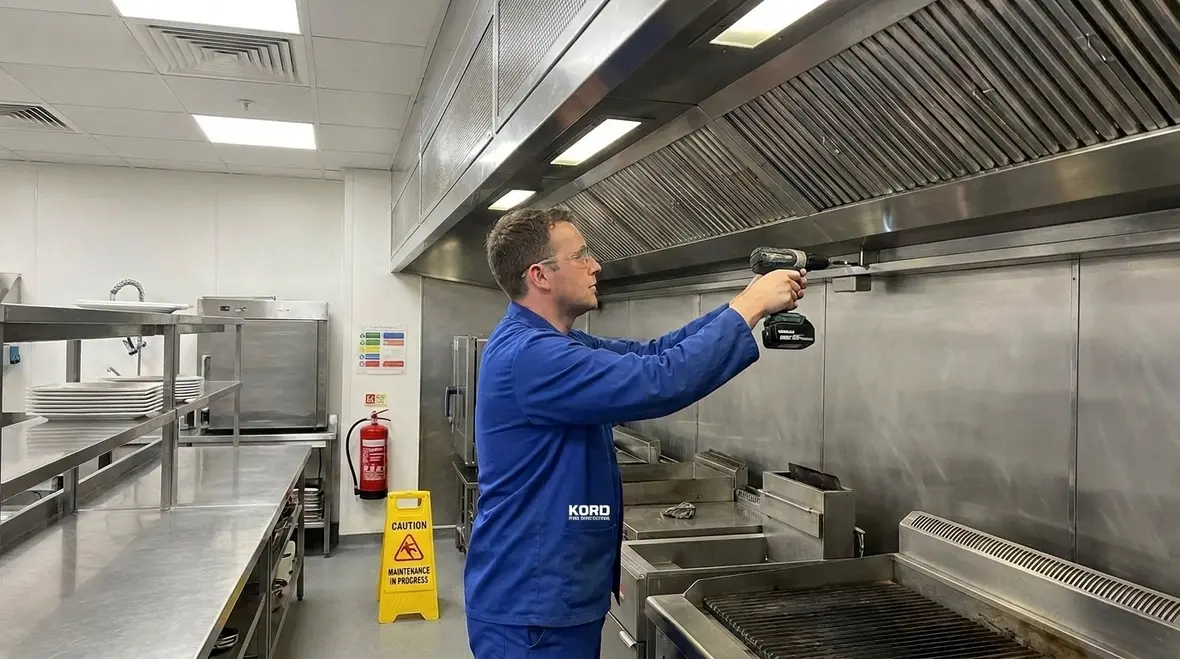
Commercial kitchens, cafeterias, and dining facilities operate in a high risk environment. NFPA 36 addresses fire protection for commercial cooking, processing, and meal related operations, including how power tools are handled in meal areas. The requirements described in NFPA 36 power tools meal preparation requirements help prevent ignition sources from initiating a fire or aggravating an existing hazard.
If your facility is also reviewing kitchen suppression readiness, it helps to pair tool use controls with a broader UL 300 restaurant systems service plan so meal area fire protection is not treated like a last minute scramble.
Why Section 6.8 Matters in Real Kitchens
Power tools can introduce ignition sources through sparks, hot surfaces, electrical arcing, friction, and improper handling. In meal areas, these hazards multiply because combustible loading is common, including packaging, food residue, grease aerosols, paper goods, and storage materials. Even brief cutting, grinding, drilling, or sanding activities can generate thermal energy far beyond what staff expects in a kitchen setting.
Compliance work in commercial, industrial, and retail facilities shows the most frequent failures occur during scope changes. Renovations, repairs, seasonal service, and ad hoc equipment fixes often happen without a documented hot work style control plan. When power tool use becomes routine, controls degrade, and maintenance documentation stops being audit friendly.
What “Meal Areas” Typically Include During Compliance Reviews
Code enforcement and insurer reviews commonly treat meal areas broadly. Facility teams should assume meal areas include areas where food is prepared, plated, packaged, served, or stored for service, plus adjacent spaces where cooking byproducts or combustibles collect. This frequently includes:
- Food preparation zones and prep stations
- Dishwashing and back of house cleanup areas where combustible packaging may be present
- Meal service lines and staging areas for disposables
- Storage rooms used for meal supplies within sight and operational control of the kitchen
- Adjacent maintenance alcoves if they connect operationally to meal preparation workflows
When facilities treat “meal areas” narrowly, the inspection outcome often changes. A power tool used in a nearby corridor that funnels debris into the kitchen can still create a meal area ignition pathway. A defensible compliance approach maps power tool activities to exact zones and travel paths, then applies tool specific controls consistently.
Core Expectations Behind NFPA 36 Power Tool Controls
While Section 6.8 is focused on the use of power tools in meal areas, the practical intent aligns with controlling ignition sources, maintaining safe tool condition, and ensuring personnel apply procedures that prevent fires. Facilities typically must demonstrate they control risk before, during, and after tool use.
1) Tool selection and operating limitations
Operational controls often require limiting power tool use to tasks that can be performed without unacceptable ignition risk. Facility teams should evaluate tool type, cutting medium, friction potential, and whether sparks or hot particulate are likely. Where alternative methods exist (hand tools, non sparking tools, dust controlled attachments), teams should document why the selected method remains the safest feasible option.
2) Temporary fire preventative controls at the point of use
In meal areas, “at point of use” controls matter because hazards often start locally. Documented controls typically include:
- Removing combustibles from the immediate work zone, or protecting them using appropriate barriers and covers
- Implementing housekeeping controls to prevent grease laden surfaces and food debris from capturing sparks or heat
- Using approved guarding and dust suppression systems for grinding or sanding tasks
- Ensuring the area is prepared for cleanup immediately after the task
3) Electrical safety and cord management
Electrical failures can create arcing and hot spots. Common compliance findings include damaged cords, improvised splices, overloaded circuits, and tools without functional grounding where required. Facilities should require pre use inspection of cords, plugs, switches, and tool housings, and enforce cord routing away from water and walk paths.
4) Staff competency and supervision
Even when the right tool is available, the failure often lies in the “how.” Staff should understand the correct use of guards, recommended operating speeds, correct abrasive selection, and safe startup and shutdown procedures. Where a power tool task intersects with meal production, supervision and task authorization should be part of the controlled process.
5) Post use inspection and accountability
Ignition risk can remain after the tool is turned off. Facilities should include a post use requirement for inspection of the work zone, confirmation that debris is removed, and that no smoldering residues remain. This is especially important for grinding, cutting, or drilling tasks where hot particulate can lodge in crevices.
Common Failure Points During Audits and How to Prevent Them
Field reviews typically show predictable problem patterns. Addressing these early reduces downtime and rework during inspection cycles.
Loose housekeeping and grease residue
Power tool activity can spread contamination onto hotter surfaces or ignite residual grease. Kitchens should apply pre task cleaning where appropriate, and verify that surfaces are safe for the task. Post task cleaning should include crevice focused checks, not just visible wipe down.
Inadequate abrasive and blade condition
Worn discs, wrong abrasive type, or damaged guards can increase friction heat and spark generation. Maintenance should include abrasive handling rules and documented replacement criteria. Tool condition records strengthen the facility position during enforcement reviews.
Improvised setup and missing controls
Facilities sometimes treat tool use as a “quick fix.” That mindset drives missing barriers, incorrect cord routing, absent housekeeping staging, and incomplete cleanup. A simple controlled work procedure for tool use in meal areas prevents this drift.
Maintenance documentation gaps
Compliance is more than procedure wording. Inspectors often look for evidence: calibration where needed, inspection logs, and documented pre use checks for cords and switches. Without documentation, facilities frequently struggle to prove consistent control.
Build a Defensible Compliance Program for Power Tools in Meal Preparation Areas
A practical compliance program connects policy, training, tool maintenance, and on site execution. Facilities should assign responsibility, standardize equipment condition checks, and manage the operational interfaces that create risk.
Recommended program components
- Written procedure: A controlled work procedure that covers pre task preparation, during task controls, and post task verification for power tools in meal areas.
- Risk assessment step: A short assessment that considers tool type, spark potential, combustible proximity, and housekeeping readiness.
- Training and authorization: Role based authorization for employees and contractors, including training records and competency verification.
- Tool inspection and maintenance logs: Cord and switch inspections, guard checks, and replacement criteria, with records maintained for audit readiness.
- Housekeeping and cleanup checks: Post task inspections to confirm debris removal and safe return to normal operations.
- Contractor controls: Contractor onboarding that aligns with your meal area tool use procedure, including clear stop work authority.
Facilities that want additional guidance for fire protection documentation and ongoing readiness can consult Kord Fire Protection resources. For example, this internal service page supports broader fire safety program alignment: fire suppression systems and services.
Because NFPA focused compliance often intersects with local enforcement practices, Kord Fire Protection commonly helps facilities close the gap between written procedures and field execution through inspections, training support, and maintenance verification workflows.
Teams that want more kitchen specific context can also review commercial kitchen fire suppression system guidance for a practical look at how protection planning, inspections, and real world kitchen conditions fit together.
Frequently Asked Questions
Next Step: Get Your Meal Area Tool Use Program Inspection Ready
Power tool control in meal areas fails most often due to inconsistent execution and missing maintenance proof. Kord Fire Protection can help commercial facilities standardize procedures, verify equipment condition practices, and strengthen documentation for safer operations. Contact Kord Fire Protection today to schedule a compliance review tailored to your kitchen layout, maintenance workflow, and inspection expectations.

Join Our Newsletter!
Get the latest fire safety tips delivered straight to your inbox From our Newsletter.