NFPA 36 Section 4.9: Fire Protection Requirements for the Plant
Quick Answer
NFPA 36 Section 4.9 sets minimum fire protection expectations for industrial and commercial plants, covering systems, equipment readiness, supervision, and ongoing maintenance. The section aims to ensure fire risk controls remain operational through inspections, testing, and documented corrective actions aligned with NFPA 36 fire protection general requirements.
Facilities building out these programs often strengthen them through structured inspection, testing, and maintenance fire protection support, especially where documentation, corrective actions, and recurring deficiencies need tighter control.
Why NFPA 36 Section 4.9 matters for plant safety
In plants handling commodity and process hazards, fire protection cannot be treated as a one time installation task. NFPA 36 Section 4.9 focuses on keeping fire protection measures functional, reliable, and properly maintained. That emphasis is critical in commercial, industrial, and retail environments where asset uptime, shift work, and variable operating conditions can quietly degrade fire protection performance over time.
For operators, Section 4.9 typically drives practical compliance work such as ensuring the correct arrangement and condition of fire protection systems, confirming that impairment handling is controlled, verifying that supervisory signals and emergency readiness are maintained, and documenting the inspection and testing outcomes required to demonstrate ongoing readiness.
What NFPA 36 fire protection general requirements typically require in practice
Facilities that treat NFPA 36 fire protection general requirements as a checklist often struggle during audits and insurance reviews. Real compliance centers on operational control, evidence of performance, and systematic maintenance. Section 4.9 supports this by expecting that plant fire protection systems and supporting procedures remain in a known, safe state.
Core expectations operators should plan for
- System readiness: Fire protection equipment must remain installed, operable, and capable of performing their intended function under the conditions present at the facility.
- Impairment control: When systems or components must be taken out of service, the facility must manage risk through defined procedures and restore service promptly.
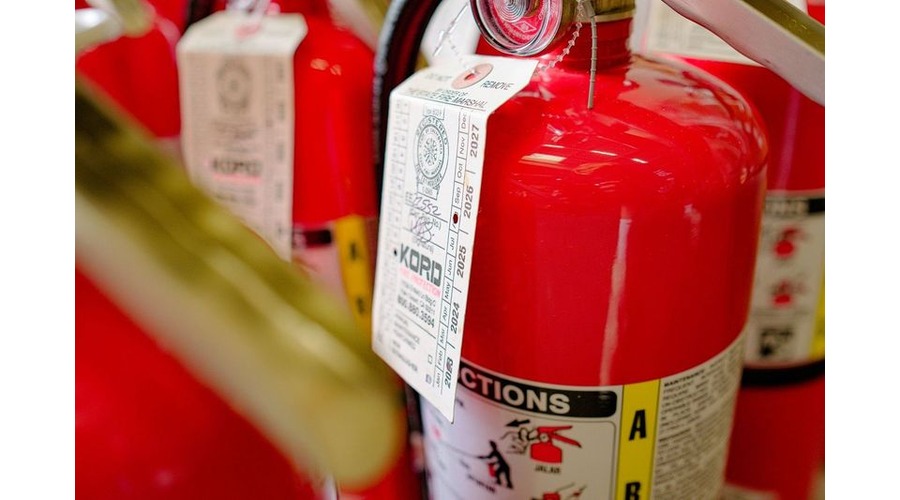
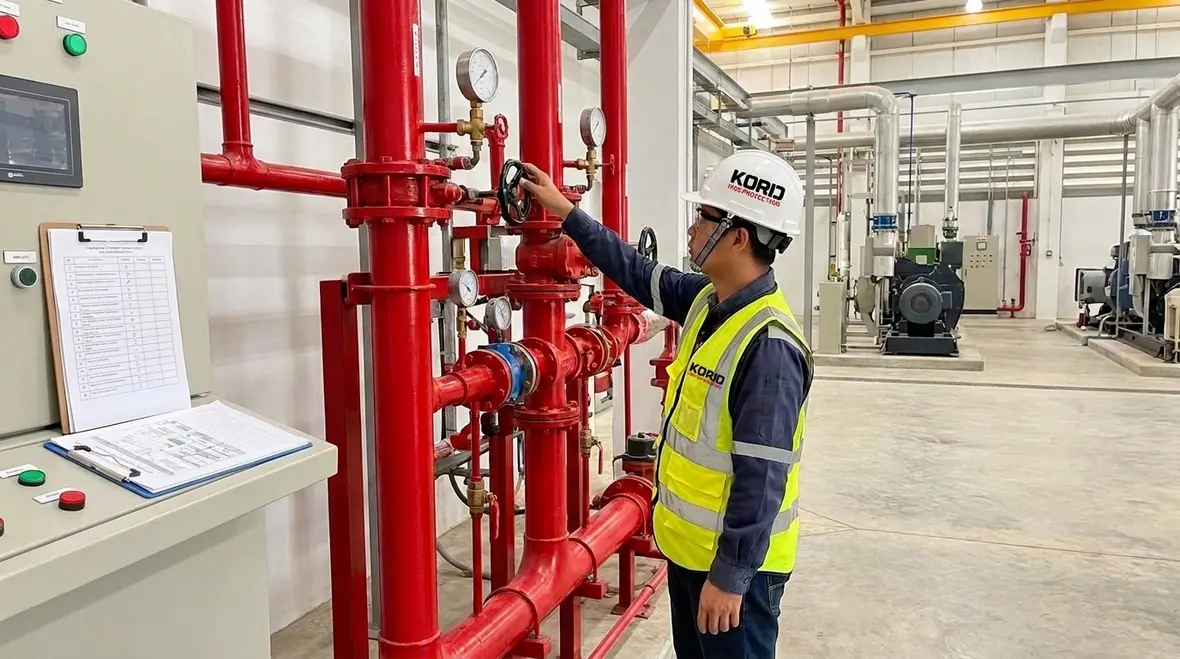
- Routine inspection and testing: Maintenance is not limited to repairs. It includes scheduled checks, functional tests, verification of correct supervisory operation, and documentation of results.
- Maintenance records and corrective action: Deficiencies must be tracked, corrected, and verified so that repeat failures do not become routine.
How plant fire protection systems are kept compliant under Section 4.9
Section 4.9 requirements land on the day to day mechanisms that make fire protection systems work when needed. The following areas represent common compliance pressure points in commercial and industrial facilities.
1) Water based protection readiness
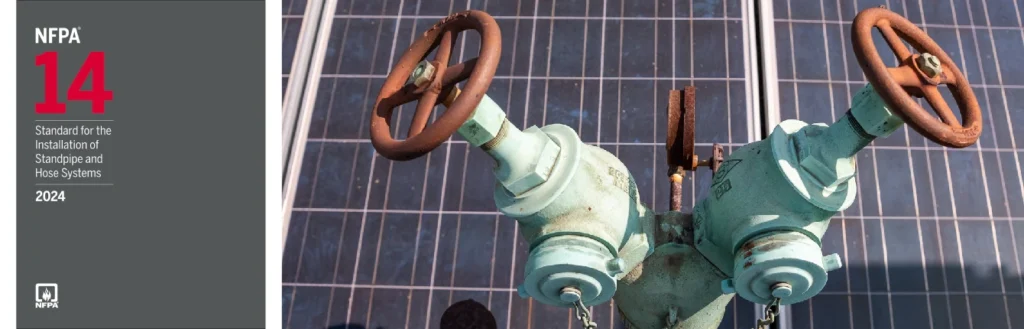
Where sprinkler and related water based systems exist, compliance depends on both physical condition and verified performance. Facilities must ensure components remain in place and unobstructed, valves and fire department connections remain accessible, and freeze or corrosion control methods remain active where applicable.
Common failure points include clogged strainers, compromised drainage, improper valve supervision, missing test records, and obstructions that develop during maintenance or construction activities. Section 4.9 scrutiny frequently focuses on whether those problems were detected early and corrected with evidence of verification.
2) Detection, alarm, and emergency signaling
Fire detection and alarm systems must not only function, but also communicate reliably for the plant’s operational response. Section 4.9 support for readiness typically shows up in periodic functional testing, verification of annunciation, and confirmation that power supplies and supervisory inputs behave correctly.
Commercial sites often face unique challenges such as frequent tenant changes, industrial process modifications, and temporary controls during shutdowns. Without disciplined change management, detection coverage and system mapping can drift away from the actual hazard profile.
3) Special hazard protection coordination
Plants may use special hazard suppression, in rack protection, or other systems intended to manage specific fire scenarios. Section 4.9 expectations typically require that these systems remain capable and aligned with current process risks. That means equipment inspections, maintenance of cylinders and agent components where applicable, and confirmation that release and control pathways are operational.
A common operational risk involves modifications to production lines that change airflow, conceal equipment behind new enclosures, or alter access routes. These changes can affect where heat, smoke, or flames travel, which can undermine the assumptions behind detection placement and suppression design.
4) Supervisory control and impairment handling
A facility can pass installation requirements and still fail readiness expectations if supervisory monitoring and impairment handling are weak. Supervisory signals must be interpreted correctly, and impairments should trigger risk mitigation actions that protect people and property.
Practical examples include:
- Ensuring supervisors and control panels provide accurate status and alarm routing.
- Maintaining a controlled process for taking components out of service for repairs or construction work.
- Documenting impairment start and restoration times, including interim protective measures.
Inspections, testing, and documentation: what auditors look for
Compliance teams and third party inspectors typically look for consistent evidence that systems were inspected and tested at required intervals and that deficiencies were corrected with traceable documentation.
What “good” documentation looks like
Strong compliance files usually include:
- Inspection and test reports with dates, identification numbers, and results.
- Recorded corrective actions, including parts replaced and verification of restoration to service.
- Impairment logs showing risk controls and timely restoration.
- Clear documentation that testing conditions matched the system’s intended operational behavior.
Typical inspection outcomes that trigger findings
- Incomplete records that omit critical system components.
- Testing performed without verifying supervisory status or functional response.
- Repeated deficiencies that indicate maintenance practices are not addressing root causes.
- Equipment found out of tolerance, disabled supervision, or missing access and labeling.
Operational best practices for plant managers
Plant fire protection readiness requires more than contractor work. Strong programs blend engineering controls with operational discipline. These steps reduce recurring failures and support ongoing compliance with NFPA 36 fire protection general requirements.
Build change management around fire protection
Production changes, seasonal operations, and construction projects can affect detection coverage, water flow pathways, and access to life safety equipment. Facilities should implement a change review that includes fire protection impact assessment prior to work commencing.
Use impairment procedures that staff can execute
Impairment procedures fail when they exist only on paper. A practical approach includes staff training, escalation paths, and documented interim measures that align with the plant’s hazards and operating model.
Plan maintenance around operational realities
Plants with continuous operations need maintenance schedules that coordinate with production, safety permits, and access needs. Under maintained equipment is a frequent root cause of noncompliance findings, especially for systems exposed to dust, vibration, and process byproducts.
Why Kord Fire Protection supports ongoing NFPA 36 compliance
Fire protection readiness is easiest to maintain when testing, inspections, and corrective actions run on a dependable schedule backed by field expertise. Kord Fire Protection works with commercial and industrial facilities to support inspection and maintenance workflows, help maintain documentation quality, and reduce the operational friction that leads to missed or incomplete testing.
For teams managing multiple systems across complex plant environments, Kord Fire Protection can help streamline compliance through consistent service planning and proactive identification of recurring failure points. Learn more about practical service alignment through Kord Fire Protection services or explore related guidance on how commercial fire safety audits review records, test logs, and corrective action history.
Frequently Asked Questions
Call to action: Review your current fire protection maintenance plan against NFPA 36 fire protection general requirements and verify that inspection, testing, impairment control, and documentation are operating as a live program, not a static binder. Partner with Kord Fire Protection to schedule reliable service, close findings faster, and maintain system readiness for the realities of your plant.

Join Our Newsletter!
Get the latest fire safety tips delivered straight to your inbox From our Newsletter.