
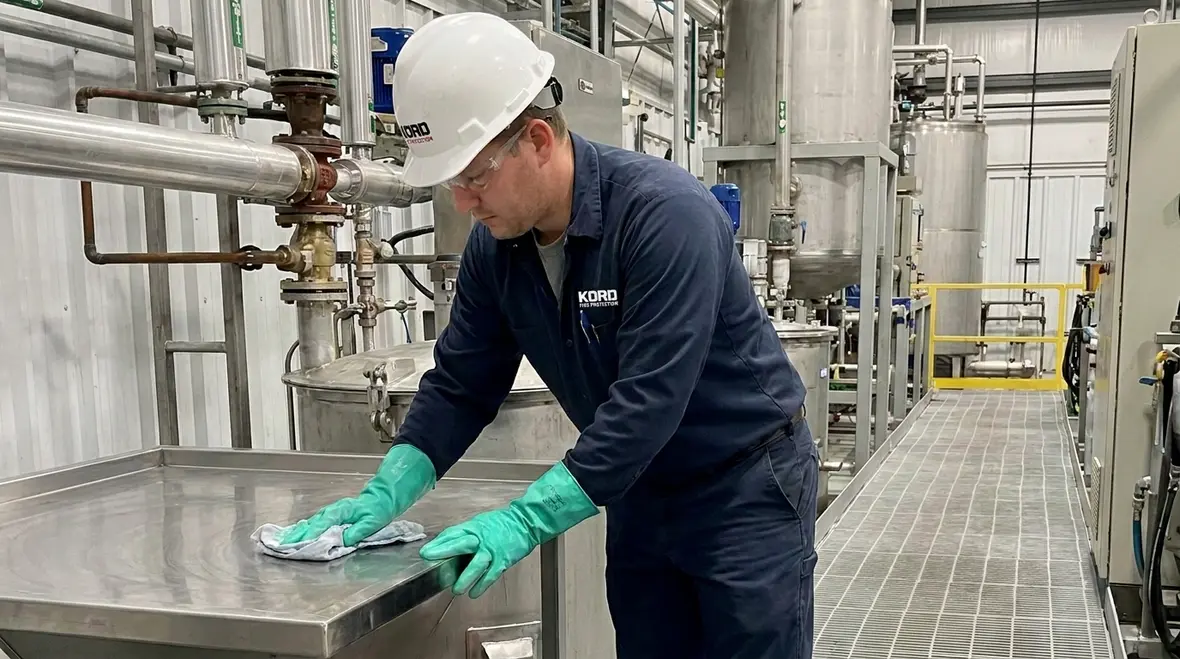
NFPA 36 Section 4.5: Housekeeping for Combustible Residues and Hazards in Solvent Operations
Quick Answer: NFPA 36 Section 4.5 requires disciplined housekeeping to control combustible residues, spills, and ignition hazards. For an NFPA 36 housekeeping solvent extraction plant, the standard emphasizes cleaning frequency, spill control, residue removal, and safe storage of waste to prevent fires and explosions.
If your facility is tightening its inspection and maintenance program, it helps to pair housekeeping controls with NFPA compliant fire sprinkler services so residue hazards, spill response, and system readiness are all moving in the same direction.
What NFPA 36 Section 4.5 Requires (and Why It Matters)
NFPA 36 Section 4.5 focuses on preventing ignition sources from contacting combustible residues and hazardous materials. In commercial solvent extraction environments, combustible residues can include fine organic solids, extracted meal residues, dust from processing, char and buildup on equipment surfaces, and contaminated absorbents from spill response. If residues accumulate, they increase both fire load and the likelihood that a small ignition event becomes a larger incident.
From a practical compliance perspective, inspectors evaluate whether housekeeping is systematic and defensible, not occasional or reactive. That means you can show cleaning schedules, documented control measures, and procedures that match the way the facility actually operates under normal production and during shutdowns.
Where Housekeeping Breaks Down in a NFPA 36 Housekeeping Solvent Extraction Plant
Housekeeping failures usually appear in predictable zones where residue, vapor, or leaks concentrate. The most common problem areas include:
- Extraction and solvent transfer points: Hose connections, pumps, valves, flanges, and gaskets can weep or leak, leaving wet residue and contaminated absorbent that later becomes combustible.
- Floor and trench systems: Solvent residues migrate, pool, or collect in low points. Drains, sumps, and trench covers can hide buildup until an inspection catches it.
- Filters, strainers, and work platforms: Accumulated solids and dust settle on ledges and structural beams, creating hidden ignition fuel near equipment.
- Electrical rooms and motor control locations: Housekeeping cannot be “out of sight equals safe.” Fine dust and residue can insulate electrical equipment and increase fire risk.
- Waste staging areas: Improperly stored rags, wipes, absorbents, and residue bags can generate a combustible waste pile that becomes an ignition target.
These conditions also create a secondary hazard. Poor housekeeping can mask leaks and delay discovery of deteriorating seals or corrosion, extending the duration of hazardous conditions.
Operational Housekeeping Controls You Can Verify During Inspections
Effective housekeeping programs include written procedures, assigned responsibility, and verification steps. For a solvent extraction operation, compliance usually hinges on how the facility controls combustible residue and manages hazardous waste and absorbent materials.
1) Cleaning frequency aligned to production conditions
NFPA 36 housekeeping expectations become credible when the cleaning schedule matches production pace, residue generation rate, and known leak points. Facilities should define routine cleaning intervals and additional cleaning triggers such as:
- After process upsets that cause carryover, foaming, or overflow
- After filter changes or strainer cleanouts
- During shift turnover in high residue zones
- Before hot work or maintenance activities begin
2) Correct method selection for combustible residues
Housekeeping often fails because crews use the wrong cleaning method. Options should be selected based on the residue type and surrounding ignition risk. Common trade controls include:
- Vacuuming with suitable equipment to capture dust and fine solids rather than dispersing it
- Wet cleaning or solvent controlled methods only where permitted and managed to prevent spreading contamination
- Safe removal and containment of solids and residues to prevent recontamination and pile buildup
Where solvent vapors can be present, housekeeping methods must also protect against ignition and ensure that cleaning does not create aerosolized combustible mixtures.
3) Spill control and contaminated absorbent management
Spills are not just housekeeping events. They are process safety events that create hazardous residue. A compliant program includes:
- Immediate containment and cleanup procedures
- Use of absorbents that are handled and disposed of as hazardous or combustible waste as required
- Clear labeling and segregation of contaminated materials
- Controlled staging area design so waste does not accumulate near ignition sources
Inspectors often look for “cleanup artifacts,” such as absorbent left on benches or floors, residue-coated pallets, and mixed waste streams that complicate hazard classification.
How to Build a Defensible Housekeeping Inspection Routine
Housekeeping compliance improves when facilities treat housekeeping like a safety management process with measurable outcomes. The routine should include inspection coverage, documentation, and corrective actions that close the loop quickly.
Inspection points that align to Section 4.5 intent
During internal audits, walk down the operational envelope where residues and hazards accumulate. Include:
- Horizontal surfaces above floor level, including beams, ladders, and overhead piping supports
- Edges, corners, and ledges where fine solids settle
- Drains, trench covers, and sumps with evidence of residue accumulation
- Waste storage staging zones and container condition
- Electrical enclosures and cable trays for dust and residue
Corrective action that prevents recurrence
When housekeeping issues appear, facilities should identify root causes such as leaking seals, degraded gaskets, loose fittings, damaged hoses, or design features that trap residue. Corrective actions should include both cleaning and equipment remediation.
Example failure pattern: residues repeatedly collect at the same flange. Cleaning alone becomes a repeating expense and a persistent hazard, while seal replacement or tightening procedures address the source.
Documentation practices that satisfy auditors
Maintain evidence that cleaning occurred as required and that hazards were controlled. Common documentation includes:
- Cleaning logs with dates, areas, and method used
- Waste disposal records for contaminated absorbents and residues
- Inspection checklists that cover the zones referenced above
- Maintenance records for leak repairs tied to housekeeping observations
These records help demonstrate a program under real operating conditions, not just at commissioning.
Training, Equipment, and Commercial Readiness for Fire Prevention
Housekeeping success depends on people and tools, not just written procedures. In commercial and industrial settings, staffing changes and maintenance schedules can introduce inconsistency unless training and equipment are standardized.
Training that matches job tasks
Train cleaning crews and maintenance staff on:
- What combustible residues look like in your specific process
- Spill response steps and how to handle contaminated absorbents
- Proper waste segregation, container selection, and labeling practices
- Restrictions during solvent operations, including when hot work is prohibited
Equipment readiness and common failure points
Facilities should ensure cleaning tools and fire prevention resources are available and in working order, including:
- Vacuum systems or dust collection equipment that can safely remove fine residue
- Approved containers for waste and absorbent staging
- Spill kits sized to credible release scenarios
- Flame arresters, covers, and barriers where installed
A common failure point is “equipment mismatch.” For example, crews may use a general purpose vacuum that cannot control ignition risk, or absorbent containers that do not prevent vapor escape or contamination spread.
Partnering for ongoing compliance
Kord Fire Protection supports commercial facilities by integrating life safety and fire protection inspections with practical site realities, including documentation readiness, maintenance coordination, and ongoing program support. This helps reduce audit findings tied to inconsistent implementation across shifts and departments.
If you want an example of how Kord Fire Protection approaches compliance support, review Kord Fire Protection services.
Frequently Asked Questions
Conclusion and Call to Action
Housekeeping under NFPA 36 Section 4.5 prevents combustible residue buildup from turning into a fire or explosion scenario, especially in solvent extraction operations. Start by mapping your highest residue zones, tightening spill and contaminated waste controls, and documenting cleaning and corrective actions. Then validate the program through routine inspections and maintenance coordination. Contact Kord Fire Protection to strengthen ongoing compliance, inspection readiness, and fire protection support across your facility.

Join Our Newsletter!
Get the latest fire safety tips delivered straight to your inbox From our Newsletter.



