NFPA 36 Section 4.4: Controlling Sources of Ignition in the Plant
Quick Answer: NFPA 36 Section 4.4 requires facilities to identify and control ignition sources across plant operations. Effective NFPA 36 ignition source control requirements include engineered controls, safe work procedures, equipment maintenance, and inspection to prevent inadvertent sparks, heat, and flame exposure.
For facilities tightening inspection discipline across protection systems, Kord Fire Protection’s fire pump testing requirements guide is a helpful companion read on how documented testing, maintenance follow-through, and compliance reporting work in the real world.
What NFPA 36 Section 4.4 requires, in plain operational terms
NFPA 36 Section 4.4 focuses on preventing ignition events by controlling sources of heat, sparks, and flame within the plant environment. For commercial, industrial, and retail operations handling combustible materials, compliance typically demands a documented ignition control program that ties risk areas to specific controls, inspection methods, and corrective actions. In practice, organizations meet NFPA 36 ignition source control requirements by ensuring ignition sources are either eliminated, controlled by design, or managed through procedures, training, and ongoing maintenance.
Unlike one time inspections, ignition control works best as a system. The program must survive real world conditions: equipment wear, contractor activities, changing production schedules, and routine deviations that can introduce hotspots, friction sparks, or unintended ignition during maintenance.
Where ignition sources actually show up during day to day operations
Facilities often treat “ignition control” as an electrical issue. NFPA 36 Section 4.4 expectations are broader. Common ignition source categories that drive inspection findings include:
- Hot surfaces from motors, bearings, friction points, steam lines, process heaters, and blocked or failed cooling.
- Mechanical impacts and friction in conveyors, chutes, hammer mills, grinders, rotating assemblies, and belt drives.
- Electrical ignition from damaged wiring, loose connections, improper equipment ratings, or unverified maintenance of electrical enclosures.
- Static electricity and discharge from material handling, transfer operations, and grounding deficiencies.
- Open flames and hot work performed by in house staff or contractors without controlled permits and fire watch measures.
- Flame producing equipment such as burners and gas fired heaters when tuning, purge sequences, and controls drift out of spec.
- Improper housekeeping allowing dust accumulation that reduces heat transfer and increases the consequences of ignition.
Commercial compliance teams should map these sources to plant zones such as processing areas, dust collection rooms, bulk storage, vehicle traffic routes, and maintenance work areas. The mapping becomes the foundation for inspections and work permits.
How plants control ignition sources: the core control mechanisms
Robust ignition control typically combines engineering controls, administrative controls, and maintenance execution. A compliant program does not rely on a single barrier.
1) Engineering controls that prevent heat and spark generation
Engineering controls reduce the chance that ignition sources will occur or reach a combustible atmosphere. Common examples include:
- Temperature and friction management using condition monitoring, lubrication discipline, and mechanical design practices that limit metal to metal contact.
- Proper separation and isolation of ignition capable equipment from dust producing operations.
- Designed grounding and bonding for conveying systems and transfer points to reduce static discharge risk.
- Explosion prevention or suppression provisions where applicable to the plant hazard profile.
In many facilities, the failure point is not the original engineering decision. It is drift. Worn bearings, modified line layouts, and mismatched components can change heat transfer and create unexpected hotspots.
2) Administrative controls that govern high risk activities
- Hot work permitting with pre job review, extinguishing capability verification, and documentation of controls and fire watch requirements.
- Contractor management that confirms equipment restrictions, hot work authorization rules, and site specific ignition controls.
- Operating procedures for start up, shutdown, upset conditions, and dust handling that specify inspection steps and stop points.
- Ignition source awareness training for operators and maintenance staff, focused on the plant’s actual ignition hazards and failure examples.
3) Maintenance and inspection requirements that stop ignition drift
Maintenance execution often determines whether ignition source controls remain effective. For NFPA 36 ignition source control requirements, facilities typically need structured inspection frequencies and acceptance criteria for equipment that can generate heat or sparks.
Critical maintenance verification items include:
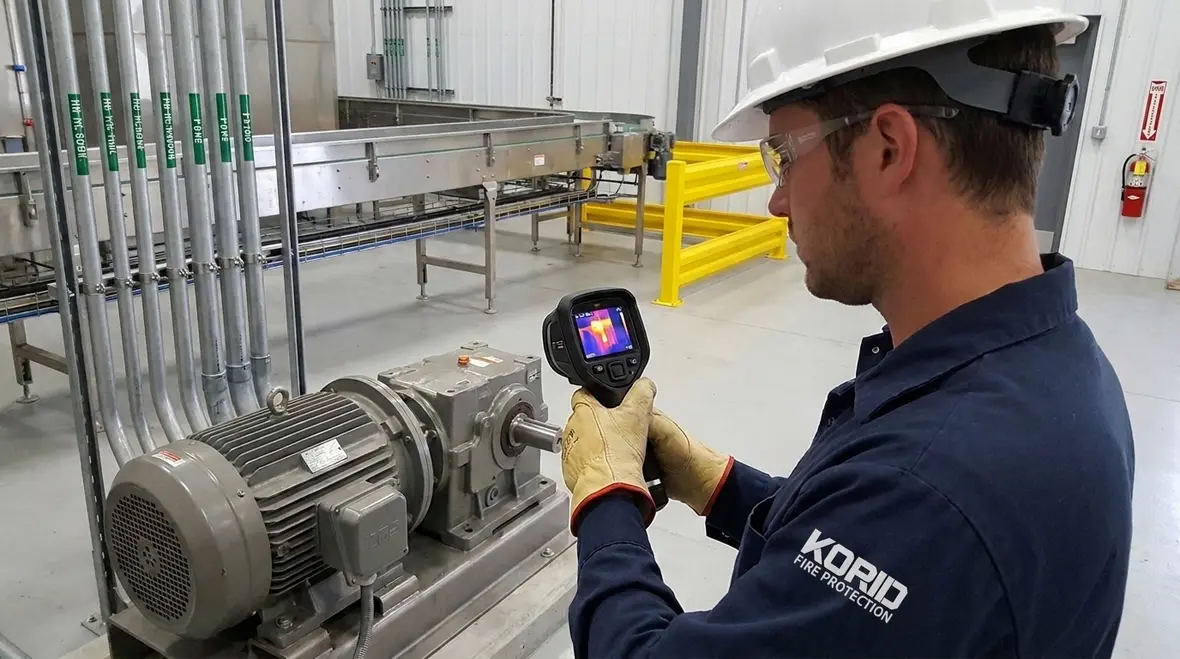
- Routine checks of rotating equipment for bearing temperature limits, vibration trends, lubrication condition, and belt alignment.
- Inspection of electrical components to confirm suitable ratings for the environment and correct installation practices.
- Verification of dust control systems, including collection efficiency indicators and ducting condition.
- Correction tracking for recurring findings so the program improves over time rather than repeating the same failures.
To strengthen ongoing compliance, many facilities partner with a specialized fire protection provider for inspection, testing support, and documentation management. Kord Fire Protection helps commercial clients maintain ignition control discipline through practical service and compliance support, especially where dust hazards and high consequence operations create greater operational risk.
For additional guidance on coordinated fire protection program management, see Kord Fire Protection.
Common compliance failures that trigger repeat findings
Even mature facilities often encounter repeat issues when ignition controls fail at the operational interfaces.
Static and grounding gaps after equipment changes
Modification work such as hose replacements, rerouted lines, or component swaps can break bonding paths or remove grounding straps. The plant should confirm grounding continuity and bonding integrity after changes.
Hot work controls that do not match actual conditions
Hot work failures often occur when combustible residues are not properly cleared, when ventilation changes create new ignition pathways, or when fire watch procedures do not align with hazard severity and duration. A permit system must include hazard review steps that reflect the current process state.
Dust accumulation that defeats “control by design”
Dust buildup around motors, panels, and duct interfaces increases the probability that heat and sparks will ignite combustible dust layers. Housekeeping controls must include verification of effectiveness, not only completion of a cleaning task.
Maintenance documentation that does not drive corrective action
Facilities sometimes log inspections without closing the loop. If a recurring temperature rise, friction noise, or electrical abnormality repeats, the ignition control program must require root cause review and targeted corrective actions, not only reactive repairs.
Building an inspection-ready ignition control program
To support compliance and reduce business interruption, facilities should build a program that is audit friendly and operationally realistic. An effective approach includes:
- Risk mapping of ignition source types to plant zones and equipment.
- Defined control methods for each identified ignition source category, including procedures and engineering controls.
- Inspection and test plans that specify frequency, acceptance criteria, and who performs the work.
- Maintenance linkage that connects inspection outcomes to work orders with documented follow up.
- Training and authorization for operators and contractors, including hot work authorization criteria and restrictions.
- Recordkeeping that shows trend review, corrective action closure, and program updates based on findings.
Commercial facilities can face additional pressure due to tighter operating windows. Ignition source controls should therefore include scheduling discipline, clear responsibilities, and pre planned inspection routes to avoid missed equipment or late corrections.
Frequently Asked Questions
Call to action
If your plant needs help validating inspection readiness for NFPA 36 ignition source control requirements, Kord Fire Protection can support maintenance driven compliance with practical testing and documentation help. Contact Kord Fire Protection to review your ignition source control program, identify operational gaps, and build a dependable service plan that reduces repeat findings and improves audit outcomes.

Join Our Newsletter!
Get the latest fire safety tips delivered straight to your inbox From our Newsletter.