
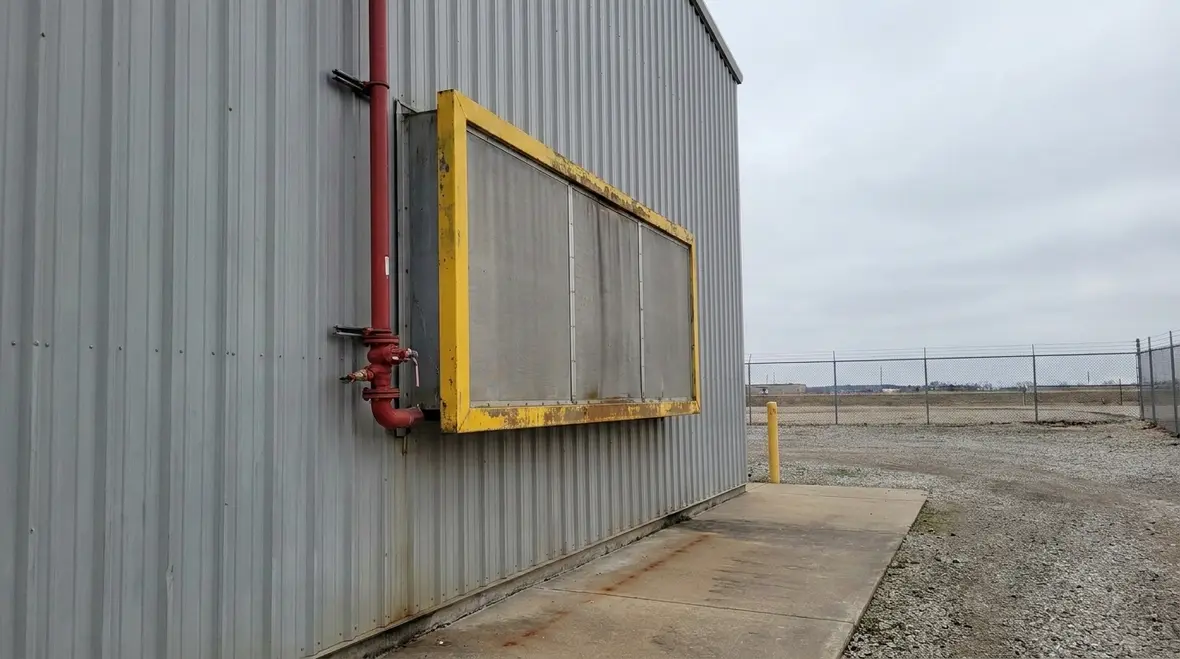
NFPA 35 Section 5.5: Deflagration (Explosion) Venting for Plant Buildings
Quick Answer: NFPA 35 Section 5.5 sets the compliance path for designing, installing, maintaining, and inspecting deflagration explosion venting in plant buildings. Facility owners and safety teams must verify sizing, routing, safe discharge, and ongoing upkeep to ensure vents work when needed.
For facilities building out a stronger inspection and maintenance rhythm, Kord’s inspection, testing, and maintenance services provide a useful reference point for how ongoing readiness is managed in the real world.
What NFPA 35 deflagration explosion venting requirements actually drive in plant buildings
Deflagration venting in plant buildings aims to limit damage from a rapid pressure rise by providing a controlled path for combustion gases to discharge. In practice, meeting NFPA 35 deflagration explosion venting requirements is not only a design exercise. It becomes an operational assurance program that ties vent selection, building integration, hazardous process review, and inspection and maintenance into one compliance system.
Commercial facilities that handle flammable liquids or dusts often discover that the hardest part is sustaining vent performance over time. Corrosion, vibration damage, blocked discharge routes, contaminated vent surfaces, and incorrect maintenance practices commonly reduce real-world vent effectiveness. Kord Fire Protection helps facilities close those gaps through installation verification, inspection, and maintenance planning aligned with facility risk and documentation expectations.
Scope and intent of Section 5.5 in daily compliance work
Why the standard focuses on controlled discharge
NFPA 35 Section 5.5 centers on controlling the consequences of deflagration events. The vent system must be arranged so that pressure relief leads to safe venting rather than hazardous reentry of flames, projection of burning material, or damage escalation to adjacent spaces.
That intent matters for plant buildings because vents interact with the structure, exterior terrain, occupancy exposure, and building operating conditions such as heating, ventilation, and wind effects.
Common facility interpretation gaps
Assuming any opening qualifies as venting. Venting design requires specific engineering based on expected deflagration behavior, not simply a generic wall opening.
Overlooking discharge location hazards. Vent outlets may create ignition sources, increase fire spread risk, or expose outdoor equipment and egress routes.
Delaying upkeep. Vent effectiveness depends on physical condition and unobstructed flow paths, which degrade without a documented inspection rhythm.
Design drivers: selection, sizing, and vent arrangement
Match vent system behavior to the deflagration scenario
Deflagration venting design must address the expected explosion characteristics for the process hazards. The vent system must open under the intended conditions and maintain predictable performance throughout the life of the building area. This includes selecting vent panels or devices suitable for the chemicals, particulates, and operating environment present in plant buildings.
Vent path, routing, and safe discharge planning
Even when a vent device opens correctly, the overall outcome can fail if discharge paths create secondary hazards. Facilities typically must evaluate:
Exterior discharge effects including hot gas impingement, flammable vapor ignition risk, and effect on nearby structures.
Obstruction potential from storage, landscaping changes, temporary partitions, snow accumulation, or housekeeping practices.
Reentry risk where vent discharge could draw combustion products back into occupied or process areas.
Building integration and structural considerations
Plant buildings often include multiple interconnected rooms, mezzanines, corridors, roof surfaces, and service yards. Section 5.5 compliance depends on how the vent communicates with the building envelope and how structural elements handle the venting event forces. Improper mounting, damaged frames, incorrect gasketing, or altered roof geometry can undermine vent performance and may also complicate incident mitigation.
Installation and commissioning: where compliance is won or lost
Prestartup verification and documentation
Vent systems require controlled installation and commissioning to confirm that the hardware matches the engineered intent. A practical compliance package includes:
As built drawings showing vent locations, device types, and discharge paths.
Manufacturer documentation for vent devices including limits, environmental compatibility, and maintenance requirements.
Evidence of unobstructed operation including verification that access controls, dampers (if any), and protective guards do not interfere with discharge.
Common installation failure points
Improper sealing or mounting that changes vent activation behavior.
Unauthorized modifications after commissioning, including patching, rerouting ductwork, or adding partitions that cover vents.
Environmental mismatch where device materials degrade in chemical vapors or elevated humidity.
Inspection, testing, and maintenance: the operational backbone of Section 5.5
Why inspection intervals must reflect real conditions
NFPA 35 Section 5.5 compliance depends on ongoing readiness. Facilities cannot treat venting as a “set it and forget it” component. Inspection requirements typically need to reflect chemical exposure, particulate loading, vibration, weathering, and changes to the process area layout.
For many commercial and industrial occupancies, the practical risk comes from slow degradation that remains unnoticed until a major safety event occurs. Kord Fire Protection supports facilities by developing inspection and maintenance strategies that align with hazard exposure and documented compliance expectations. For a broader systems view, Kord’s full lifecycle of fire protection article connects design, installation, inspection, maintenance, and replacement into one useful framework.
What inspectors look for during routine checks
Inspections usually verify that the vent remains capable of performing as intended. Key focus areas include:
Physical condition of vent panels, frames, fasteners, and seals.
Freedom of movement and activation readiness where applicable.
Discharge route clearance including protection measures that are designed to avoid blocking the vent’s outlet.
Corrosion, warping, or contamination that could prevent correct vent opening.
Housekeeping and storage compliance near vent outlets and within the affected building area.
Maintenance controls that prevent repeat failures
Facilities often need tighter maintenance governance than expected. Effective programs include:
Change management so modifications to partitions, ceilings, or process equipment trigger a venting impact review.
Work order discipline preventing ad hoc patching over vent components.
Recordkeeping to prove condition and corrective actions over time.
Coordination with process teams to align ventilation, housekeeping schedules, and maintenance shutdown procedures with vent readiness.
Practical compliance for commercial, industrial, and retail plant buildings
Facility realities that create risk
Even when design intent meets the standard, plant building operations can introduce new hazards. Common examples include:
Seasonal changes affecting discharge routes such as snow, debris, and outdoor storage.
Seasonal process changes where product formulations alter vapor generation or deposition rates on vent surfaces.
Tenant or layout changes in shared industrial parks and retail processing spaces that alter vent adjacency and discharge exposure.
How Kord Fire Protection supports sustained readiness
Deflagration venting compliance succeeds when design, operations, and maintenance function as one system. Kord Fire Protection supports facilities by providing practical inspection and maintenance services designed to maintain vent performance and help maintain defensible documentation. For a broader view of how Kord can support your fire and life safety program, see this fire protection services guide by Kord experts.
Frequently Asked Questions
Conclusion and next step
NFPA 35 Section 5.5 deflagration explosion venting compliance depends on more than design drawings. Facilities need a disciplined inspection and maintenance program that protects discharge routes, keeps vent components in proper condition, and prevents unauthorized modifications. Schedule a venting readiness review with Kord Fire Protection to validate current performance, address common failure points, and build a defensible compliance plan your operations can sustain.

Join Our Newsletter!
Get the latest fire safety tips delivered straight to your inbox From our Newsletter.



