
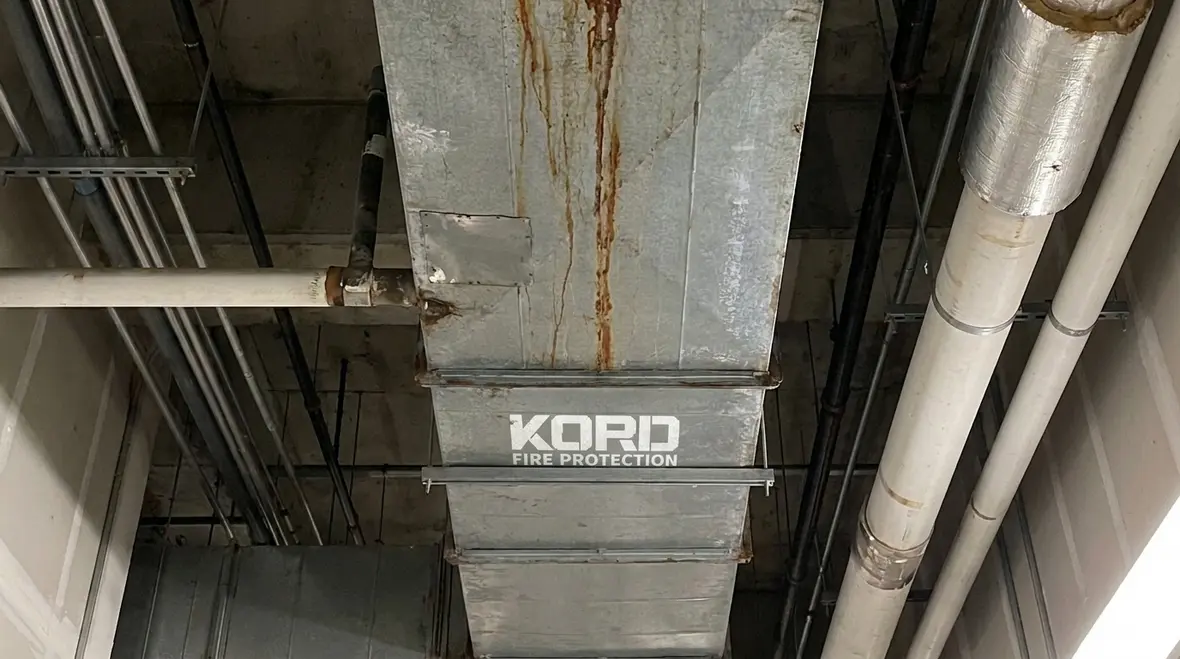
NFPA 34 Section 7.7: Materials of Construction for Ventilation Components
Quick Answer: NFPA 34 Section 7.7 sets requirements for selecting and installing materials used in ventilation components. It focuses on heat exposure, corrosion, mechanical strength, and fire performance so duct systems remain reliable, safe, and maintainable in commercial and industrial occupancy conditions.
For broader inspection readiness and documentation support, many facility teams pair duct reviews with a commercial fire safety audit so deficiencies, records, and corrective actions get handled before they become expensive surprises.
Why NFPA 34 ventilation duct materials construction drives real-world compliance
In commercial and industrial facilities, ventilation ducts fail in predictable ways. Materials can warp from heat, lose strength from corrosion, generate smoke during a fire, or deteriorate due to chemical exposure. NFPA 34 ventilation duct materials construction requirements address these risks by requiring ventilation components to be made from materials suitable for the hazards of the served operations, the environment they operate in, and the conditions they may face during emergencies.
For operators and facility managers, the challenge is not simply choosing a duct material. Compliance depends on how those materials are specified, installed, supported, sealed, insulated, and maintained over time. Many jurisdictions also expect practical evidence through inspection records, maintenance logs, and corrective action documentation.
What Section 7.7 expects from ventilation component materials
NFPA 34 Section 7.7 addresses the materials of construction used for ventilation components, typically including ducts and related parts that form part of the ventilation system. The core compliance intent is to ensure that these components will not create additional fire hazards or unsafe conditions when exposed to operational hazards or abnormal events.
In practice, this means the ductwork material and system components should demonstrate suitability for:
- Temperature exposure: Materials must withstand expected operating temperatures and credible fire exposure scenarios without collapse or severe degradation.
- Corrosion and chemical attack: Duct systems serving processes that generate corrosive vapors or particulates require materials that resist chemical deterioration.
- Mechanical integrity: Ducts must retain strength under airflow loading, vibration, and handling during maintenance.
- Fire and smoke performance: Materials should not significantly contribute to fire growth or create unacceptable smoke characteristics.
- Durability in the installed environment: Locations such as kitchens, packaging areas, spray areas, attics, and mechanical rooms can impose unique exposure conditions.
Facility teams typically struggle when “like-for-like” replacement is not actually like for like. A duct segment replaced with a different grade, thickness, coating, or insulation package can drift the system away from the original design assumptions and create inspection findings.
Common material options and where failures occur
Most duct systems fall into a handful of material families. The compliance question becomes whether the selected material is appropriate for the hazard classification and environmental conditions, and whether it remains appropriate during the life cycle of the facility.
Metal ductwork: strength with corrosion considerations
Metal ducts often provide desirable structural performance, but they must resist corrosion where process effluent is present. The most common failure points include:
- Coating breakdown: Protective coatings can crack at bends and seams, especially when subjected to heat cycling.
- Localized thinning: Certain areas near connections and horizontal runs degrade faster due to condensation and particulate deposition.
- Improper jointing: Seams, couplings, and transitions can become weak points if installed without compatible materials and fastening methods.
From an operational perspective, duct inspections should not stop at visual surface checking. Teams should also look for deformed sections, excessive seam leakage, rust-through indications, and signs of repeated overheating.
Nonmetal duct materials: limited suitability without correct hazard alignment
Nonmetal materials can be attractive where weight reduction and ease of handling matter. However, they can become noncompliant if they do not meet the fire performance and temperature tolerance expected for the hazard environment. Common issues include:
- Thermal deformation: Under elevated heat, polymer or composite components can warp, sag, or open at joints.
- Smoke and toxic byproducts: Some materials can contribute significant smoke or hazardous decomposition products.
- Compatibility failures: Adhesives, gaskets, and sealants may not be rated for the same temperature and exposure conditions as the duct material.
Facilities that experience repeated nuisance alarms, smoke complaints, or odor complaints often uncover ventilation duct material issues during corrective maintenance. The root cause can be a mismatch between duct and sealing materials.
Insulation and sealing components: often the hidden compliance gap
Even when duct shells meet the intent of Section 7.7, insulation and sealants frequently introduce risk. Typical failure points include:
- Insulation wetting or degradation: Moisture intrusion can reduce insulation performance and accelerate deterioration.
- Sealant incompatibility: Sealants can lose adhesion under heat cycles and allow leakage at joints.
- Missing fire stopping: Penetrations through rated assemblies may require fire stopping measures to maintain the integrity of compartmentation.
For commercial and retail facilities, these gaps often surface during tenant improvements, duct reroutes, and rooftop unit servicing, when changes are made quickly and documentation is incomplete.
Installation details that determine whether materials stay compliant
NFPA 34 ventilation duct materials construction is only one part of compliance. The same duct material can perform well or poorly depending on installation quality. Design teams and contractors should verify that the following installation elements match the approved design intent:
- Support spacing and loading: Supports must prevent sagging and keep joints aligned during normal operation.
- Jointing methods: Joints must be constructed using compatible methods and materials that maintain integrity under thermal cycling.
- Transitions and fittings: Bends, elbows, and transitions should avoid abrupt reductions or stress points that can thin metal or crack insulation.
- Sealing of seams and connections: Duct leakage increases fire hazard exposure by spreading contaminants and potentially bypassing intended airflow controls.
- Hazard-specific configuration: Duct routing and component selection should reflect the served operation, including any combustible load risk.
During walkthroughs, inspectors frequently observe new damage introduced after installation, such as impact dents from maintenance equipment, improper patching, or temporary fasteners left in place.
Inspection, testing, and maintenance: keeping duct materials reliable
Commercial facilities rarely fail due to a single catastrophic event. More often, deterioration accumulates. A practical maintenance program for ventilation ducts should include:
- Scheduled visual inspections: Focus on seams, joints, supports, fittings, and areas exposed to heat or chemical byproducts.
- Leak and integrity checks: Look for abnormal airflow performance, visible discharge, residue accumulation, and seam leakage signs.
- Corrosion assessment: Identify thinning, rust-through patterns, coating peeling, and localized pitting.
- Insulation condition monitoring: Confirm insulation remains intact, dry, and securely installed where required.
- Documentation of repairs: Maintain records of material changes, installation methods, and any deviations from original specifications.
For many organizations, inspection findings become a chain reaction. One compromised duct segment can force higher fan speed, increase leakage, and accelerate further deterioration. That is why maintenance should treat duct integrity as a fire and life safety reliability issue, not only a ventilation performance issue.
How Kord Fire Protection supports ongoing compliance
Facilities often interpret duct material requirements at design time but lose control during operations, repairs, and tenant modifications. Kord Fire Protection helps commercial owners and facility teams close that gap through documentation support, inspection readiness, and practical guidance for maintaining fire-safe ventilation systems. For project teams navigating upgrades or retrofits, Kord Fire Protection can also support coordination so replacement materials and installation methods align with applicable requirements and site conditions.
If your organization needs help validating ventilation duct condition, repair quality, or compliance documentation for recurring safety reviews, Kord Fire Protection offers a commercial service partner model designed for sustained readiness.
Teams that want a wider compliance lens can also review how fire protection compliance audits reduce operational risk, especially when duct condition, repair records, and inspection history all need to tell the same story without any last-minute improvisation.
To explore related fire protection insights and service approach, visit Kord Fire Protection.
Frequently Asked Questions
Next step: verify duct material condition before a safety issue escalates
NFPA 34 ventilation duct materials construction requirements protect facilities by addressing the real failure modes of ducts over time. Conduct a documented inspection of duct materials, seams, insulation, and supports, then verify that any repairs and replacements match the hazard conditions and original intent. Contact Kord Fire Protection to support compliance readiness, maintenance planning, and corrective actions that keep ventilation systems dependable for commercial operations.

Join Our Newsletter!
Get the latest fire safety tips delivered straight to your inbox From our Newsletter.



