
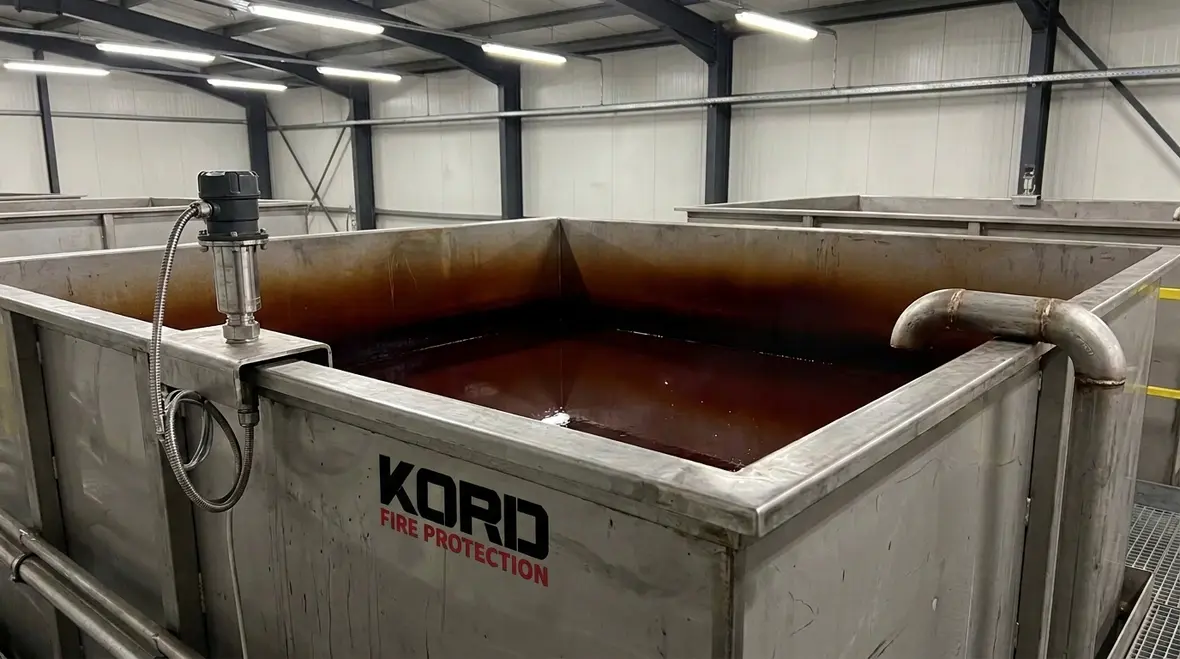
NFPA 34 Section 5.4: Overflow Prevention for Dipping and Coating Tanks
Quick Answer
NFPA 34 Section 5.4 requires reliable overflow prevention for dipping and coating tanks to limit flammable liquid release and protect exposure areas. Compliance depends on proper design, functional protection devices, and disciplined inspection and maintenance to prevent blocked vents, failed controls, and uncontrolled spills.
For a broader compliance foundation around dipping and coating operations, it helps to review NFPA 34 Section 1.2 fire and explosion prevention in coating and dipping operations, which frames why these controls matter before overflow becomes today’s main character.
What NFPA 34 Section 5.4 Requires in Plain Terms
NFPA 34 addresses fire safety for operations that dip, coat, rinse, or treat materials using flammable and combustible liquids. Section 5.4 focuses on preventing uncontrolled liquid discharge from dipping and coating tanks during normal operation and upset conditions. This includes conditions such as overfilling during transfer, drawdown variations, temperature related volume changes, and equipment malfunctions that can elevate tank level beyond intended operating limits.
In practice, facilities implementing NFPA 34 overflow prevention dipping coating tanks must treat overflow control as a system, not a single component. The system typically combines tank design features and functional controls that keep liquid where it belongs, even when production changes, pumps cycle differently, or alarms and interlocks degrade over time.
How Overflow Happens in Real Facilities (And Why It Matters)
Overflow prevention fails when operational assumptions stop matching equipment reality. Common mechanisms include:
- Overfeed during transfer: Fill valves or metering systems can overshoot set points if sensors drift, controllers lag, or transfer lines are mismanaged.
- Blocked venting or restricted openings: Tanks may require vent paths to prevent pressure buildup. Contamination, paint solids, or debris can obstruct pathways and contribute to abnormal level behavior.
- Incorrect operating level targets: If production targets update but control logic and alarm thresholds do not, operators may run tanks at unsafe margins.
- Pump and level control failures: A stuck pump, failed feedback signal, or faulty level transmitter can keep adding liquid while the control system believes the tank is already full.
- Drain and return system issues: Misrouted returns, clogged drain lines, or inadequate sumps can convert a minor overflow into a major release.
These failure points can rapidly convert a routine dip or coat cycle into a flammable liquid spill. Beyond fire ignition risk, overflow can also spread contamination across floors, trenches, and drains that support continued combustion or delayed flare-ups.
Design Controls Used for NFPA 34 Overflow Prevention
NFPA 34 Section 5.4 expects overflow prevention measures that work during routine operation and during reasonable upset conditions. Many commercial facilities implement a layered approach, combining the following:
1) Independent high level protection and alarm or shutoff
Systems often include a secondary high level device that does not rely solely on the primary level control loop. If the primary control fails, the independent device can trigger an alarm and, when required by facility design philosophy and risk assessment, shut down filling or transfer.
2) Managed fill rates and controlled transfer procedures
Overflow risk increases with aggressive fill rates or improper transfer timing. Facilities typically define maximum transfer flow rates, required hold times, and a controlled sequence for start, stop, and verification steps.
3) Proper venting and pressure relief compatibility
Venting arrangements must support safe level behavior. Vents should remain clear and must be compatible with the chemical and temperature environment. Regular cleaning and verification prevent pressure or displaced liquid events.
4) Containment and spill path control
Overflow control also includes how spilled liquid is contained and where it can go. Secondary containment, properly sized sumps, and clear separation from storm drains reduce offsite migration and ignition spread. Containment systems must include provisions for inspection access and removal of accumulated residue.
5) Instrumentation robustness for corrosive and contaminated service
Level sensors and switches must resist scale, coating buildup, and chemical attack. Facilities improve reliability by selecting compatible instrumentation and adding maintenance intervals tied to observed contamination rates.
What Inspection and Maintenance Looks Like (Not Just “Test It”)
Commercial and industrial environments frequently discover that overflow prevention hardware degrades silently. Compliance depends on documented maintenance and proof of functionality. A practical inspection and maintenance program typically includes the following:
Inspection points facilities should prioritize
- High level alarm and high level shutoff function: Verify the independent device actuates within the expected control range. Confirm annunciation and that the correct action occurs, such as stopping transfer.
- Sensor cleanliness and calibration status: Inspect for buildup, coating solids, and residue on sensing surfaces. Validate calibration records and confirm the device remains within tolerance.
- Control valve operation: Exercise fill valves to confirm full travel and correct fail position. Confirm that valve stiction has not developed.
- Piping, vents, and overflow routing: Verify vent openings remain unobstructed and overflow paths route to containment or a controlled recovery system.
- Electrical reliability: Check wiring terminations, power supply stability, and interlock circuit integrity.
Common failure points that drive noncompliance
- “Passed last time” drift: Instruments slowly drift until the alarm no longer matches the safe operating envelope.
- Bypassed interlocks: Production pressure can lead to temporary overrides that remain in place.
- Accumulated solids: Coating chemistry and bath contaminants interfere with sensing and vent function.
- Unverified replacement parts: Substitute components may not meet the required response characteristics.
To support reliable compliance, Kord Fire Protection provides commercial field testing and documentation support aligned with practical inspection rhythms used across industrial plants and retail industrial support spaces. Their role often includes reviewing alarm and shutdown logic, verifying functional performance, and ensuring facilities can produce defensible maintenance records during audits. For teams tightening up the paperwork side of performance, this fire protection system documentation checklist fits naturally into the same compliance workflow.
Operating Procedures That Prevent Overflow Before It Starts
NFPA 34 overflow prevention dipping coating tanks is strengthened significantly when operating procedures match the engineered protections. Facilities can reduce risk by:
- Defining fill start and stop checks: Operators confirm level readings and alarm status before initiating transfers.
- Requiring alarms to be functional before production: Start up only after verified annunciation and control logic integrity.
- Using disciplined change control: When production schedules or tank chemistries change, facilities verify level thresholds and alarm set points remain appropriate.
- Cleaning schedules based on observed behavior: Vent paths, sensing surfaces, and overflow routes require cleaning intervals tied to actual contamination rates.
- Training around upset conditions: Operators learn what to do when a high level alarm activates, including stopping transfer, initiating containment response, and reporting the root cause.
Where procedures are informal or inconsistent, the engineered system can lose effectiveness. The goal is a consistent “engineered plus procedural” approach that protects life safety and reduces fire spread potential.
Internal and External Resources for Ongoing Compliance
For facilities building a complete fire prevention program around tanks and flammable liquid use, consider integrating overflow prevention requirements with broader hazard controls. Kord Fire Protection can help coordinate these efforts across inspection, testing, and documentation. Start with Kord’s resources here: Kord Fire Protection.
When you maintain internal records, align them with the same operational language used in audits. This improves traceability for equipment checks, functional tests, and maintenance actions tied to NFPA 34 compliance objectives.
Frequently Asked Questions
Call to Action
Review your dipping and coating tank overflow prevention strategy now. Confirm high level protection logic, verify functional performance, and ensure maintenance records match the way your lines run today. For dependable NFPA 34 compliance support, engage Kord Fire Protection to plan inspections, conduct field verification, and strengthen documentation so your facility can pass audits with confidence.

Join Our Newsletter!
Get the latest fire safety tips delivered straight to your inbox From our Newsletter.



