
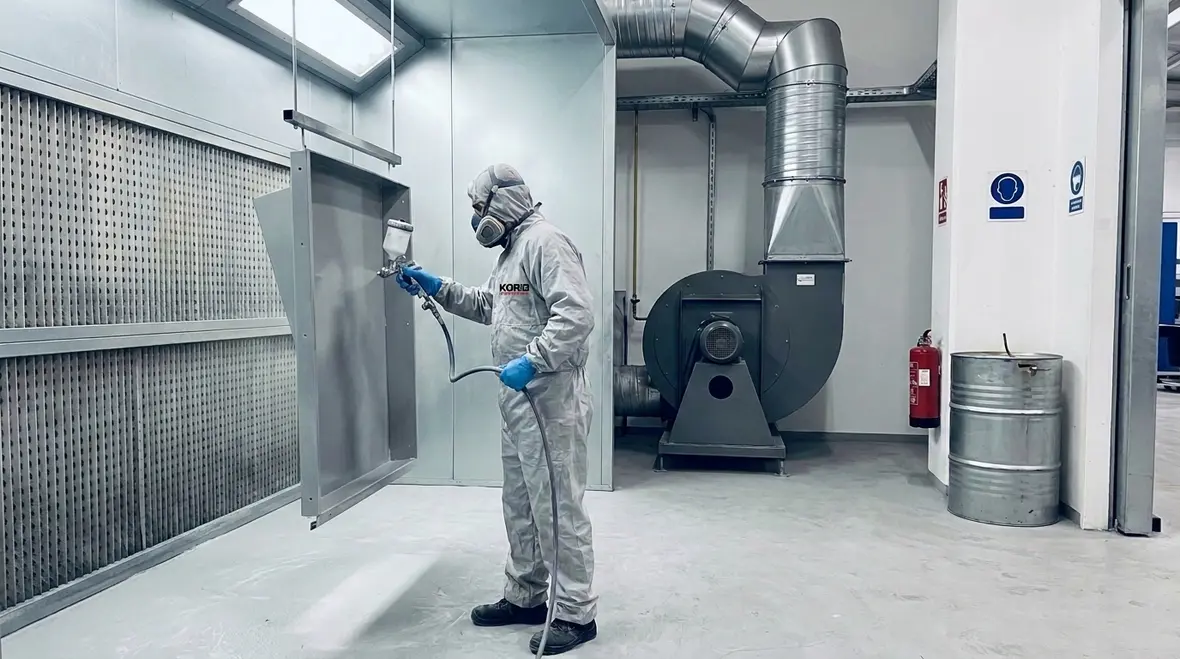
NFPA 34 Section 1.2 Purpose: Fire and Explosion Prevention in Coating and Dipping Operations
Quick Answer: NFPA 34 Section 1.2 explains why coating and dipping facilities must prevent fires and explosions. It sets the intent behind hazard control for flammable liquids, ignition sources, ventilation, equipment integrity, and ongoing maintenance so operations remain safe, compliant, and reliable.
Facilities that need broader support beyond internal checks can also explore commercial fire protection services in Southern California to keep inspections, repairs, and compliance work aligned with real operating conditions.
What does NFPA 34 Section 1.2 actually mean in day to day operations?
NFPA 34 purpose fire explosion prevention coating operations is not just a policy statement. Section 1.2 frames the safety goal: prevent fires and explosions that can result from flammable atmospheres, combustible residues, and ignition sources typically present during surface coating, dipping, drying, curing, washing, and finishing. In commercial and industrial settings, this purpose drives how facilities select equipment, manage chemicals, control heat and sparks, and maintain protective features over time.
Because compliance is operational, facility teams translate the stated purpose into practical controls: approved ventilation methods, listed or engineered ignition control strategies, proper storage and handling, safe operating limits, and documented inspection and maintenance routines. When these controls fail, loss events can happen quickly, often during start up, changeovers, equipment maintenance, and process deviations.
Why Section 1.2 purpose matters: the hazard chain in coating and dipping
In coating and dipping operations, ignition events usually follow a predictable chain: fuel plus oxygen plus an ignition source, with vapors or mists generated by normal process activity and by abnormal conditions such as leaks, solvent loading, or poor housekeeping. Section 1.2 purpose fire explosion prevention coating operations addresses the prevention of that chain through systematic hazard controls rather than one time actions.
Key contributors facilities commonly must control include:
- Flammable liquid and vapor releases: spills, drainage failures, mist carryover, solvent tank agitation, and transfer line leaks.
- Combustible residue buildup: overspray accumulation, dust or oversand deposits, and organic film formation on heating surfaces.
- Ignition sources: hot surfaces, electrical arcing, static discharge, mechanical impact, friction, and improperly controlled burners or heaters.
- Restricted ventilation and airflow variability: failed fans, blocked ducting, incorrect damper positions, or process changes that alter airflow patterns.
- Operational deviations: startup and shutdown activities that differ from steady state, and product changeovers that alter viscosity, flash characteristics, or cure chemistry.
Commercial and retail facilities sometimes underestimate these risks because production is intermittent. NFPA 34 purpose fire explosion prevention coating operations clarifies that transient operations still create hazardous conditions if safeguards are not maintained and verified.
How facilities operationalize the purpose: core compliance mechanisms
Section 1.2 purpose establishes intent, but the safety outcome depends on how an operation maintains protective engineering and administrative controls. The most effective programs treat these controls like operating systems: they require definition, verification, and ongoing performance testing.
1) Ventilation and capture performance
Many coating and dipping risks are driven by concentration. Facilities control vapor and mist concentration through ventilation, local exhaust capture, and properly designed ducting and filtration systems. Common failure points include deteriorated duct seals, nonfunctioning make up air balance, filter loading that reduces airflow, and process changes that change emission points.
Operational best practice includes documenting ventilation design criteria, recording airflow verification during routine checks, and scheduling preventive maintenance to prevent gradual performance loss. When capture performance drops, hazardous atmospheres can form where ignition sources are present, including near heaters, motors, and electrical enclosures.
2) Ignition source control and electrical safety strategy
Preventing ignition requires more than using “general purpose” equipment. Facilities need an ignition control strategy that aligns with the process and the expected vapor release scenarios. This commonly includes selecting properly rated motors, wiring methods, enclosures, and portable tools, along with ensuring that enclosures remain sealed and maintained.
Electrical issues that undermine safety include damaged cable insulation, loose fittings, missing seals, improper grounding, and overlooked component wear on fans and mixers. These problems can develop over months and appear minor until the right combination of vapor concentration and ignition occurs.
3) Static electricity and transfer operations
Static discharge risk grows during transfer, filtration, and agitation, especially with certain solvents and at higher flow rates. Facilities need verified bonding and grounding practices, controlled transfer procedures, and equipment checks for conductive wear or insulation damage. Administrative controls alone do not replace hardware integrity.
During audits, facilities often discover that bonding clamps are missing, hoses are replaced without verifying conductivity, or procedures do not match the actual transfer setup. Section 1.2 purpose fire explosion prevention coating operations supports a focus on preventing ignition as a system, not as a checklist.
4) Heating, drying, and cure area safeguards
Drying and curing stages concentrate risk because heat increases vapor generation and creates ignition potential. Heating systems need correct operating limits, reliable controls, and maintenance that prevents overheating and buildup. Inadequate air movement around heaters, damaged burner components, or excessive residue on heating surfaces can increase both frequency and severity of ignition events.
Commercial facilities also face schedule pressure that can lead to skipped inspections or delayed repairs. A purpose driven program prioritizes safety critical checks even when production timelines tighten.
Commercial compliance challenges you should expect, not avoid
Even well run coating and dipping operations face persistent compliance challenges. Section 1.2 purpose fire explosion prevention coating operations is intended to keep safety in focus as operations change.
Process changes and product switching
Switching primers, solvents, thinners, or specialty coatings can change flash behavior, viscosity, and vapor characteristics. Facilities sometimes update work instructions but do not revisit ventilation settings, filtration needs, or safe operating assumptions. A purpose driven approach requires re verification of performance and safe handling conditions after changes.
Maintenance execution gaps
Protective systems degrade. Fans wear, dampers stick, duct systems accumulate debris, and electrical components experience fatigue. A practical compliance model includes inspection frequency tied to risk, not just manufacturer recommendations. It also includes corrective action tracking with responsibility assignments and verification steps.
Housekeeping and residue management
Combustible residue can become the fuel component that allows an ignition to grow beyond its origin. Housekeeping failures commonly appear first around edges, cable trays, duct openings, and areas adjacent to exhaust plenums. Maintenance teams should use a documented cleaning method that does not create new ignition sources or damage protective features.
Contractor work and turnover risk
Many ignition incidents occur during repairs, line replacements, or electrical modifications. Facilities should require contractor coordination, ensure that hot work controls align with the current process hazards, and verify that installed equipment matches the required safety rating and integrity requirements.
For ongoing commercial support, Kord Fire Protection helps facilities maintain the operational safeguards that support NFPA 34 purpose fire explosion prevention coating operations, including programmatic inspections, test coordination, and maintenance support aligned to real production conditions.
Use this practical checklist before you call it “compliant”
Compliance is sustained performance. Use the checklist below to pressure test whether safety controls remain effective between inspections.
- Ventilation verification: Are airflow and capture points confirmed during representative operating conditions, and are deficiencies tracked to completion?
- Exhaust and filtration condition: Are filters and duct components inspected for loading, damage, and seal integrity?
- Ignition source review: Are electrical enclosures, motors, and rotating equipment inspected for damage, missing seals, and proper ratings?
- Static grounding and bonding: Are transfer lines and hoses verified for conductivity, and are bonding points present and functional?
- Heater and cure area condition: Are burner or heater components maintained, and is residue control performed on the scheduled cleaning method?
- Change management: Are product switches reviewed for potential changes to vapor behavior and ventilation needs?
- Housekeeping controls: Are cleaning methods documented, executed consistently, and do they avoid introducing ignition risk?
- Documentation: Are records maintained for inspections, corrective actions, and verification tests?
If you want to strengthen your program further, consider pairing these internal checks with a formal fire protection service review. Kord Fire Protection can help ensure ongoing readiness for both inspection cycles and day to day operational realities.
Learn more: related safety resources and expert support
For additional guidance on facility fire prevention planning and documentation practices, review this internal resource: Facility Fire Safety Program Template Guide.
If your operation overlaps with dipping, coating, or printing hazard areas, this related resource may also help: NFPA 1 Section 43.10 Dipping Coating Printing Fire Safety.
When facilities need hands on support for testing, inspections, and continuous compliance, Kord Fire Protection provides commercial focused assistance designed to keep coating and dipping operations aligned with NFPA expectations and real world operating conditions.
Frequently Asked Questions
Take action now
Review your current coating and dipping controls against ventilation performance, ignition source integrity, bonding and grounding verification, and housekeeping practices. Then schedule a compliance focused fire protection service review to validate that safeguards remain effective as production changes. Contact Kord Fire Protection today to build a maintainable, purpose driven program that supports NFPA 34 expectations and reduces incident risk.

Join Our Newsletter!
Get the latest fire safety tips delivered straight to your inbox From our Newsletter.



