
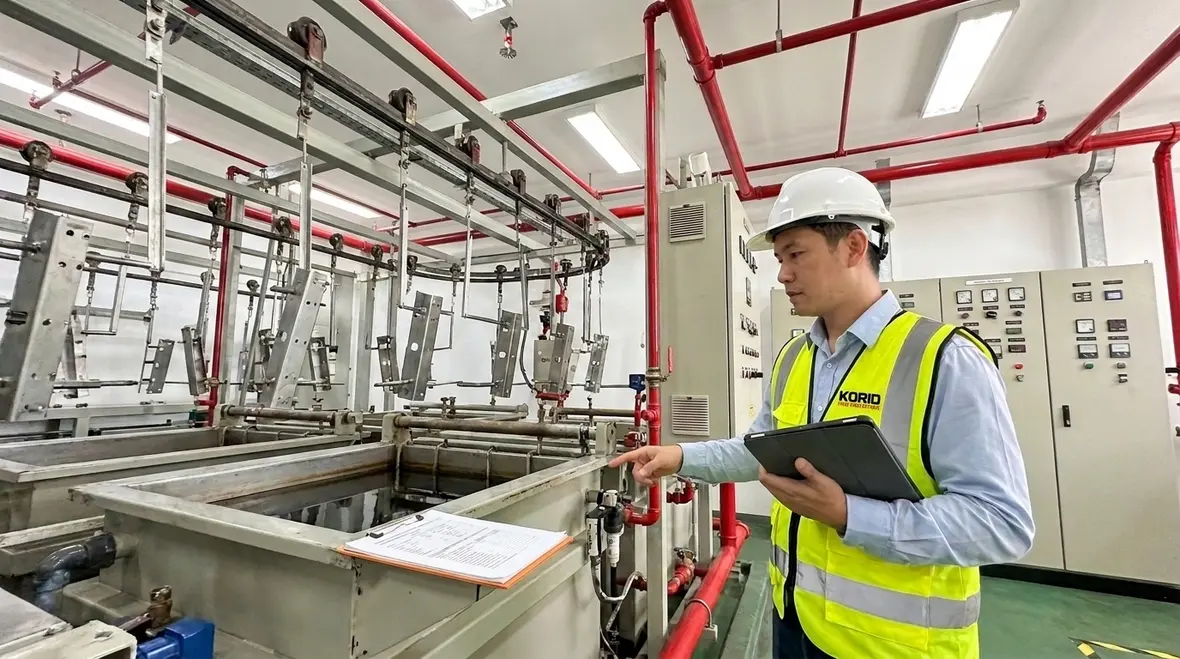
NFPA 34 Section 2.2: Every NFPA Code Cited by the Dipping and Coating Standard
Quick Answer: NFPA 34 Section 2.2 compiles the specific NFPA codes and documents that the Dipping and Coating standard relies on. This section functions as the compliance roadmap, requiring facilities to apply referenced requirements when designing, operating, inspecting, and maintaining dipping and coating processes.
If your team needs help turning code language into field-ready inspection and maintenance workflows, fire protection services in Southern California can help connect the paperwork side of compliance with what actually gets checked, tested, repaired, and documented on site.
Why NFPA 34 Section 2.2 matters to commercial fire safety compliance
NFPA 34 does not work in isolation. Section 2.2 identifies the NFPA publications that the dipping and coating standard cites for methods, performance expectations, and enforcement details. For commercial, industrial, and retail facilities using dipping or coating operations, the practical challenge is that referenced documents often cover fire protection design, ignition source control, electrical requirements, hazardous materials management, water supply, and emergency preparedness.
In real audits, compliance gaps rarely come from ignoring NFPA 34 itself. Instead, teams miss the operational intent carried in the NFPA 34 list of referenced NFPA publications, especially when drawings, operating procedures, inspection frequencies, or maintenance acceptance criteria reference the wrong edition, or do not implement the cited requirements in day to day work.
What Section 2.2 actually requires (and what it does not)
NFPA 34 Section 2.2 establishes which NFPA codes are incorporated by reference. This means that when NFPA 34 references another NFPA publication, the cited requirements become part of how compliance is demonstrated for the dipping and coating scope.
However, Section 2.2 does not typically provide operational procedures by itself. NFPA 34 expects the facility to:
- Use the correct referenced edition and edition requirements where applicable.
- Apply referenced design, installation, testing, and inspection provisions relevant to dipping and coating hazards.
- Document how the referenced requirements are implemented across engineering controls and maintenance programs.
- Maintain continuity between what is installed, what is inspected, and what procedures require.
Facilities that treat Section 2.2 as a simple bibliography often fail inspection because they can list documents, but cannot show inspection results, coverage verification, or acceptance criteria aligned to the referenced codes.
How facilities should build a “referenced-code” compliance system
To manage Section 2.2 effectively, commercial fire safety programs should translate cited requirements into enforceable facility work processes. A strong approach maps each referenced NFPA item to a measurable action: design basis, operating behavior, inspection method, test frequency, and maintenance repair thresholds.
Step 1: Create a reference register tied to specific processes
Build a register that links each item in the NFPA 34 list of referenced NFPA publications to the equipment and process it impacts, such as tanks, ventilation, heating systems, spray areas, coatings handling, and waste management. This register should be maintained alongside PSM style process documentation or equivalent internal control systems.
Step 2: Verify the edition and alignment with installed conditions
Referenced documents change over time. The most common operational failure point is the “edition drift” problem: the facility updates NFPA 34 practices but does not confirm the cited document edition used for electrical installation practices, fire protection system design, or emergency planning procedures.
Kord Fire Protection supports this verification by reviewing facility plans and field conditions against referenced-code expectations, then identifying where updates are needed in drawings, inspection checklists, or acceptance criteria. This kind of documentation-first approach fits naturally with Kord Fire’s broader full lifecycle of fire protection servicing model.
Step 3: Convert code language into inspection and maintenance acceptance criteria
When cited documents require tests or inspections, the facility must implement procedures that produce objective results. For example, verification should include:
- Clear pass or fail criteria tied to the referenced publication.
- Recorded evidence formats that auditors accept, including test date, method, and responsible party.
- Corrective action timelines and documented re verification where deficiencies could affect system performance.
Operational areas where cited NFPA requirements commonly break down
Dipping and coating processes introduce multiple ignition and escalation pathways. Even when the main hazard controls appear adequate, inspection findings often surface in secondary systems that determine whether a hazardous incident remains contained.
1) Ignition source control and equipment condition
Facilities frequently encounter issues with heat trace, heaters, motors, and control cabinet integrity, especially where coatings or vapors contaminate enclosures. Even if NFPA 34 addresses hazardous area considerations conceptually, referenced electrical and ignition source requirements can be the real compliance driver during inspections.
2) Ventilation performance and vapor accumulation risk
Dipping and coating hazards often involve flammable vapors. The operational failure mode is “good on paper, not in practice” performance, caused by duct contamination, damper malfunction, changes in production rate, or poorly controlled maintenance practices. Referenced requirements for inspection and maintenance become critical for proving ventilation effectiveness.
3) Fire protection system readiness and impairment control
Another recurring breakdown is inconsistent impairment management. If a suppression, detection, or alarm-related component is out of service, the facility must implement compensatory measures aligned with the cited expectations. In practice, teams sometimes rely on informal spot checks rather than documented impairment workflows that withstand audit scrutiny. For facilities trying to tighten that process, Kord Fire’s article on fire suppression impairment prevention is a relevant internal resource.
4) Housekeeping, waste handling, and hidden ignition pathways
Coating residue and contaminated absorbent materials can create delayed ignition risk. Referenced requirements often affect storage, removal intervals, and cleanup practices. Without documented procedures tied to inspections, facilities can drift into noncompliance over time.
Internal and external linking strategy for compliance work
To support day to day compliance work, facilities benefit from connecting the Section 2.2 reference register to maintenance planning and professional fire protection support. For teams seeking ongoing code-aligned testing, inspection, and maintenance documentation, Kord Fire Protection can support the operational side of compliance through targeted field verification and program improvement.
For more information on how Kord Fire Protection approaches real world documentation and readiness, visit Kord Fire Protection and review how inspection and maintenance services support ongoing compliance.
Frequently Asked Questions
Next step: confirm your referenced-code program now
Facilities should update their NFPA 34 reference register, validate document edition alignment, and ensure inspection and maintenance acceptance criteria match the cited requirements. Kord Fire Protection can support field verification and help convert referenced-code obligations into workable, auditable procedures. Contact Kord Fire Protection to review your dipping and coating fire protection readiness and close Section 2.2 related gaps before the next inspection cycle.

Join Our Newsletter!
Get the latest fire safety tips delivered straight to your inbox From our Newsletter.



