
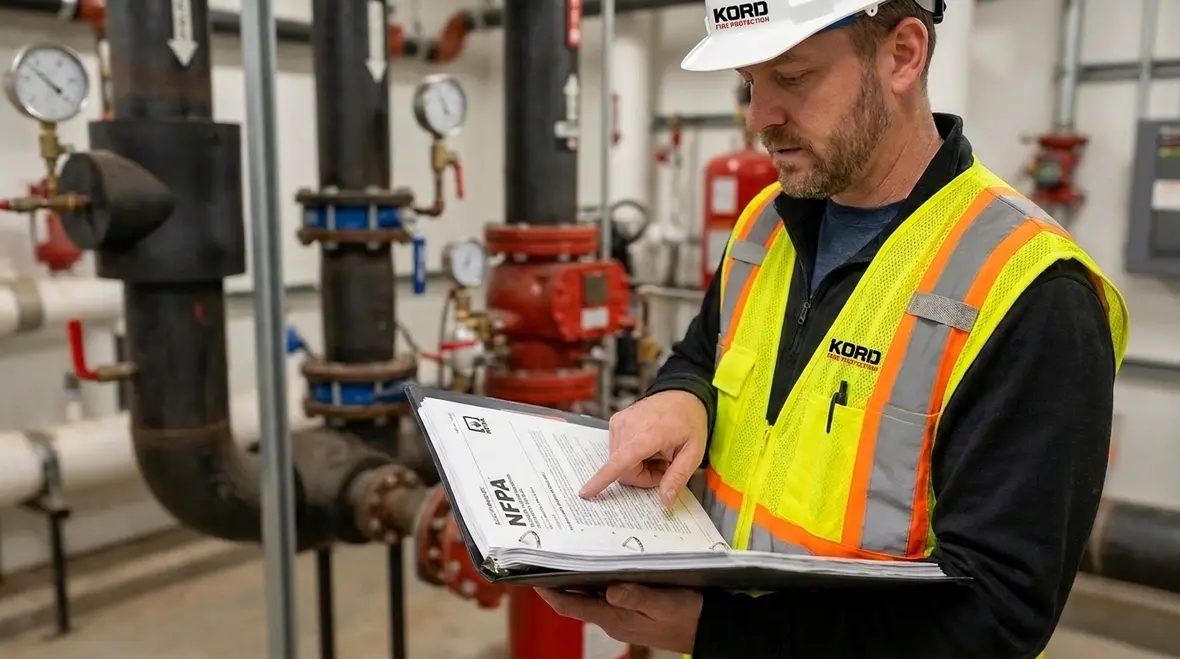
NFPA 34 Section 2.1 General: How Referenced Publication Editions Apply
Quick Answer: NFPA 34 Section 2.1 explains which editions of referenced codes and standards apply when a document points to another publication. Facilities must follow the correct edition to avoid “out of compliance” gaps during design, inspection, and maintenance. The applicable rules are typically set by the referencing text and official listing.
If your team needs broader support connecting inspection, testing, documentation, and repairs, fire protection services in Southern California can help tie edition control back to real site compliance workflows.
Why NFPA 34 referenced publication edition rules matter in real facilities
NFPA 34 governs fire safety for commercial and industrial processes, and many requirements depend on cross referenced standards such as electrical, building, hazardous materials, and testing methods. The operational risk is simple: if a facility follows the wrong edition of a referenced publication, inspectors may identify deviations in installation details, inspection intervals, labeling, testing methods, or acceptance criteria. This is where NFPA 34 referenced publications edition rules become a practical compliance issue, not a clerical one.
From a facility standpoint, the most common failure points include outdated inspection checklists, contractor work performed against earlier code editions, and maintenance staff using legacy procedures for operational tests. A disciplined document control process reduces these issues and supports repeatable life safety performance.
What Section 2.1 generally controls
NFPA 34 Section 2.1 addresses how to apply editions of documents that NFPA 34 references. In practice, this section limits uncertainty by clarifying whether the referenced edition is the one named in the reference, the current edition at the time of the NFPA 34 publication, or another rule established by the referencing language. Facilities should treat these references as part of the compliant “system configuration,” not optional guidance.
For commercial, industrial, and retail occupancies handling flammable or combustible materials, Section 2.1 effectively controls the rule set for items such as:
- Inspection and testing procedures that involve referenced standards
- Installation requirements for detection, suppression, and fire protection components
- Electrical and wiring practices where NFPA 34 defers to other publications
- Referenced performance criteria used to verify operating readiness
Where an owner uses multiple contractors, edition misalignment often occurs during expansion projects. The same equipment type may be installed or serviced using different referenced editions, producing inconsistent compliance outcomes across areas of the facility.
How edition application affects design, construction, and inspection
During design and permitting
Plans reviewers and fire marshals expect that the design basis aligns with the applicable code edition chain. NFPA 34 references can define technical boundaries such as alarm initiating device criteria, supervisory and monitoring methods, installation spacing, and acceptable test outcomes. When the referenced edition is wrong, a system can appear “functionally similar” yet fail compliance at the acceptance stage.
During construction and commissioning
Contractors often use standard templates and historical submittals. If those documents cite older referenced editions, the installation and commissioning may fail to match current NFPA 34 requirements. Commissioning is also where operational tests reveal edition specific differences, including:
- Test sequence requirements and documentation format
- Acceptance thresholds and pass fail criteria
- Inspection frequency assumptions tied to referenced standards
During annual and periodic inspections
Commercial facilities commonly maintain a “universal” inspection procedure that has not been updated for code edition changes. NFPA 34 Section 2.1 makes it critical to confirm that your inspection forms, test scripts, and impairment controls reflect the correct referenced editions. Even when hardware stays the same, test methodology and verification steps can change from one edition to another.
Common compliance challenges tied to referenced publication editions
Edition control issues typically surface in four ways. Understanding these patterns helps organizations prevent findings before they occur.
1) Contractor turnover and template drift
Different contractors may use different checklists and submittal packages. Without a centralized document control standard, edition references drift across projects and service contracts.
2) Maintenance procedures that do not map to referenced standards
Facilities sometimes rely on “manufacturer recommended” testing instructions without confirming that they match the referenced standard edition required by NFPA 34. This can lead to gaps in required documentation, test acceptance criteria, or verification steps.
3) Incomplete recordkeeping for equipment changes
After alterations, facilities may update drawings but not inspection procedures. The result is a mismatch between what is installed and what the facility tests against.
4) Training gaps for inspection and impairments
Maintenance personnel and inspectors need training that connects operational tasks to the correct code edition rules. When training uses outdated materials, the facility can perform tests correctly in principle yet incorrectly in documentation and verification expectations.
Operational best practices to apply edition rules correctly
Edition compliance succeeds when owners implement practical control measures across documentation, field verification, and ongoing maintenance.
Maintain an edition matrix for referenced publications
Create an internal matrix that lists each referenced publication tied to NFPA 34 requirements, the edition specified by the NFPA 34 reference chain, and the current version used in your procedures. This becomes the foundation for inspection checklists, service plans, and contractor onboarding.
Align inspection procedures and forms with the edition matrix
Update your written inspection and testing procedures to mirror the required edition. Pay attention to:
- Test steps and sequence
- Required readings, logs, and signage
- Impairment controls and return to service criteria
- Documentation retention periods
Perform evidence based field verification
Edition alignment must show up in the field. Confirm that the facility’s installed configurations, labeling, and operating test results match the referenced edition requirements. Evidence includes calibrated test documentation, photos, and reviewed acceptance checklists.
Use service partnerships for continuous compliance
For many commercial facilities, the fastest path to reliable edition control is to partner with a qualified fire protection service provider that tracks documentation updates, verifies field conditions, and maintains compliant testing discipline year over year. Kord Fire Protection supports this approach through structured inspection, testing, documentation practices, and ongoing maintenance readiness aligned to facility and regulatory expectations.
To explore broader code compliance and testing support, review the Kord Fire Protection resources here. You may also want to review how fire suppression deficiencies found in inspections can turn small documentation gaps into bigger compliance headaches.
FAQ: NFPA 34 Section 2.1 and referenced edition application
Conclusion and next steps
NFPA 34 Section 2.1 turns referenced publication editions into enforceable compliance requirements. To protect approvals, reduce inspection findings, and keep operational readiness dependable, facilities should implement an edition matrix, update testing procedures and forms, and verify the work against the correct referenced standards. Kord Fire Protection can support ongoing compliance through structured inspection, testing, documentation, and maintenance discipline. Contact Kord Fire Protection today to establish or audit your edition control process.

Join Our Newsletter!
Get the latest fire safety tips delivered straight to your inbox From our Newsletter.



