
NFPA 34 Section 1.1 Scope: What Dipping, Coating, and Printing Processes the Standard Covers
Quick Answer
NFPA 34 Section 1.1 defines the hazards and facility conditions covered for dipping, coating, and certain printing processes. It addresses activities where flammable and combustible liquids, combustible residues, and related ignition sources create fire and explosion risk, requiring structured controls and maintenance.
What “scope” means in NFPA 34 Section 1.1
NFPA 34 scope dipping coating printing processes covered. In practical terms, Section 1.1 establishes whether your facility operations fall under the standard and therefore require the compliance framework that follows throughout NFPA 34. This matters for commercial, industrial, and retail properties because the scope determines which ignition controls, fire protection features, operating practices, and inspection expectations apply to your specific process lines.
Facilities often assume “we only coat small parts” or “we only do occasional printing.” Section 1.1 focuses less on part size and more on the process category and the fire hazards created by liquids, vapors, residues, and the equipment used to apply or transfer coatings and inks.
For facilities tightening their compliance workflow, it helps to review fire protection services in Southern California so inspections, testing, troubleshooting, and maintenance support are already lined up before small process hazards become bigger operational problems.
Which process types fall under NFPA 34’s scope
Section 1.1 covers dipping, coating, and printing processes where flammable or combustible liquids are used and where operations can create significant vapor and residue hazards. The standard’s scope is designed for process environments rather than general warehousing or office occupancy.
Dipping processes
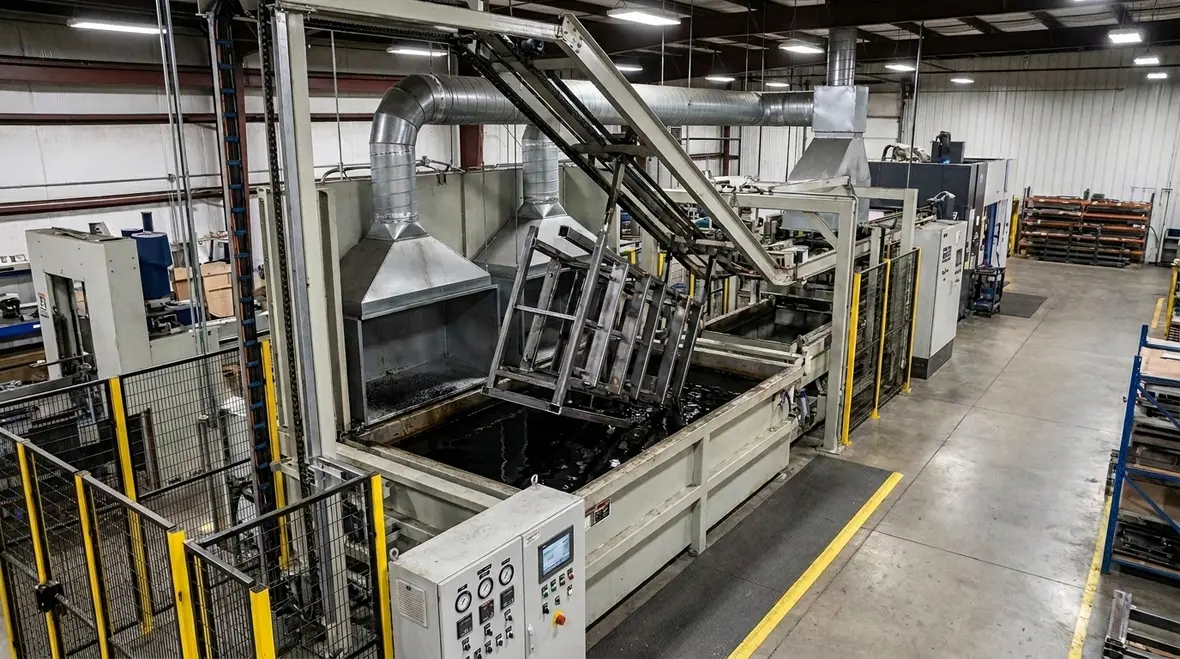
Dipping operations typically involve submerging items into process baths such as coatings, primers, sealers, or finishes. Scope alignment hinges on the bath chemistry and how the operation manages evaporation, drag out, and drying. Key compliance implications include:
- Vapor generation and accumulation at the bath and work zone, especially during lowering, dwell, removal, and draining.
- Residue control from “drag out” and bath contamination, which can increase combustible load.
- Drying or curing steps that may introduce additional ignition opportunities if heaters, air movement, or ventilation failures occur.
Coating processes
Coating operations commonly include applying liquid coatings to surfaces through immersion, spraying, brushing, rolling, or related application methods. NFPA 34 scope dipping coating printing processes covered because the core hazard pattern remains similar: flammable or combustible liquids, vapor release, and combustible residues in and around application and drying equipment.
From a fire safety standpoint, the compliance challenge often lies in the transition zones between wet application and drying. For example, transfer conveyors, hood interfaces, and catch trays may accumulate residues and become ignition fuel if housekeeping and inspection routines are weak.
Printing processes
Printing is included where ink systems and process steps resemble the same hazard profile, such as flammable liquid inks, solvents, drying methods, and production equipment that can generate vapor. In mixed use facilities, the scope question often becomes whether your printing line is an “inking and drying system” rather than a low hazard label process.
Common scope and compliance friction points include:
- Inadequate control of vapor release near printing presses and dryers.
- Delayed detection of hood or exhaust impairment.
- Under-managed combustible residue around rollers, ink pans, and ductwork interfaces.
What fire hazards drive the scope determination
NFPA 34’s scope does not only map to the presence of a liquid. It maps to the potential for ignition and fire growth based on how liquids are handled, applied, dried, and contained.
Flammable and combustible liquids and vapor release
When coatings, primers, sealers, or inks contain flammable constituents, vapor can accumulate at equipment openings, collection points, and work areas. Even if total liquid quantities seem small, continuous evaporation during production increases the chance of explosive mixture formation and sustained flame spread.
Combustible residues and contaminated surfaces
Drag out, overspray, and ink buildup can leave combustible residues that behave differently than original materials. Over time, residues can coat horizontal surfaces and form fuels in hidden areas such as beneath conveyors, inside duct plenums, or around drip points.
This is where commercial facilities commonly struggle: production pressures reduce the time available for residue removal, and maintenance teams may not have a standardized inspection method for the process line’s “non obvious” accumulation points.
Drying, curing, and ignition sources
Drying and curing systems often include heat sources, airflow devices, fans, and control instrumentation. When ventilation control fails or temperature limits drift, ignition risk increases. In many sites, the highest consequence events start with a localized ignition that grows because residue and vapor are present at the same time.
How commercial facilities operationalize NFPA 34 scope requirements
Even with a clear scope determination, compliance succeeds or fails at the operational level. NFPA 34 compliance typically requires consistent controls across engineering features, administrative procedures, and equipment maintenance.
Before production: engineering controls and documentation
Facilities should confirm that ventilation, enclosures, and detection or suppression systems align with the process hazard profile. A practical gap many facilities miss is that “the system exists” but does not function as intended during different production modes, such as startup, shutdown, and changeover.
Because NFPA compliance relies on evidence, facilities should maintain current documentation for:
- Equipment configuration and process changes that affect vapor generation.
- Maintenance history for exhaust systems, hoods, filters, and duct interfaces.
- Inspection results and correction tracking for housekeeping and residue control.
During production: operating practices and housekeeping discipline
Daily operations can rapidly degrade hazard controls. The process floor often experiences solvent drips, tray overflow, and filter loading. NFPA 34 scope matters because the standard expects hazard controls to stay effective while the equipment runs.
Production teams typically need clear expectations such as:
- How quickly spills and drips receive cleanup treatment compatible with the process materials.
- How residue is removed without spreading combustible material into new ignition zones.
- How staff verifies ventilation performance during routine line operations.
After production: maintenance and verification
Ignition risk frequently comes from deferred maintenance. Exhaust impairment, fan wear, damaged duct seals, and contaminated filters can increase vapor concentration. Facilities should apply a maintenance regimen that includes verification, not only component replacement.
For ongoing support with inspections, testing, and fire protection program maintenance, commercial operators can partner with Kord Fire Protection. Kord Fire Protection helps teams keep process line protections aligned with current requirements, reducing the likelihood of noncompliance and unplanned shutdowns.
Common scope-related failure points auditors and inspectors look for
When a facility falls under NFPA 34 coverage, auditors usually test whether controls function in the real production environment. The most common failure points include:
- Exhaust and ventilation impairment that is not detected early because inspection procedures focus only on “presence of fans,” not actual performance.
- Inconsistent housekeeping that allows residue to accumulate on floors, frames, ductwork, and around drains or catch trays.
- Change management gaps where new inks, coatings, solvents, or dryer settings are introduced without re-evaluating hazards.
- Startup and shutdown vulnerabilities where ventilation and drying controls do not operate as designed during transitions.
- Gaps in maintenance records that prevent demonstration of ongoing reliability for critical protective features.
If your organization wants a broader understanding of process safety and fire risk management practices that support NFPA compliance planning, you may also reference NFPA 1 Section 43.10 dipping coating printing fire safety for related commercial fire protection guidance.
Frequently Asked Questions
Conclusion and next step
Determine whether your NFPA 34 scope dipping coating printing processes covered by documenting your exact operations, liquids, and drying steps. Then verify that ventilation, housekeeping, and maintenance practices operate effectively during startup, production, and shutdown. For commercial facilities that need reliable compliance outcomes, contact Kord Fire Protection to support inspections, testing, and ongoing fire protection program maintenance.

Join Our Newsletter!
Get the latest fire safety tips delivered straight to your inbox From our Newsletter.



