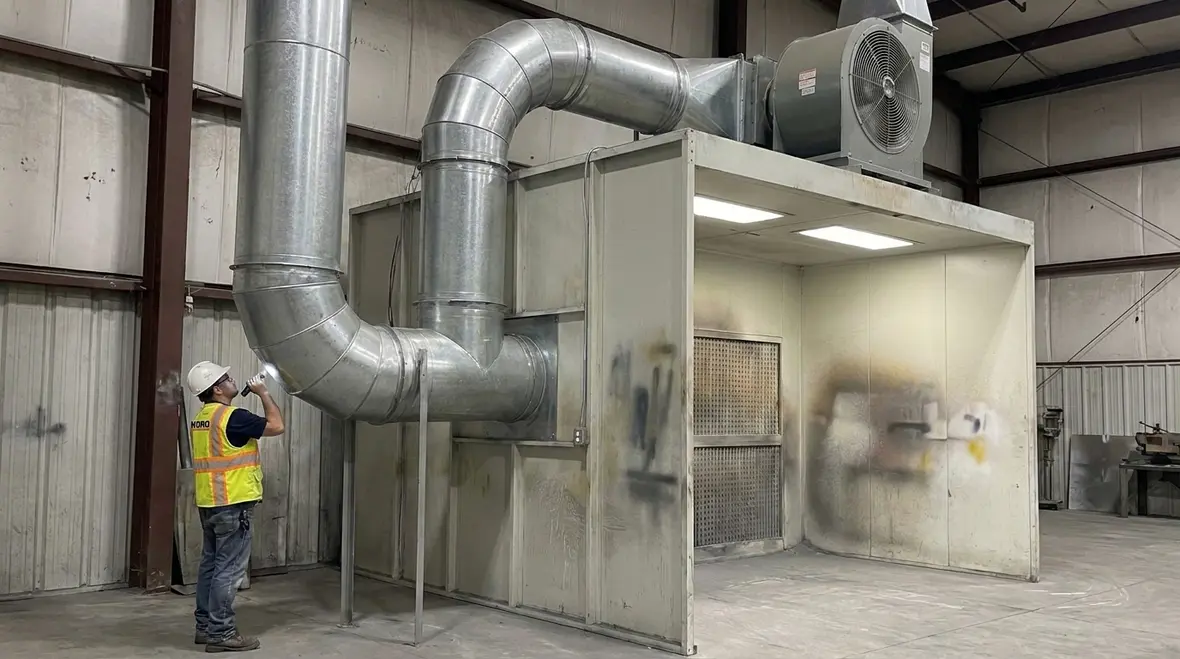
NFPA 33 Section 7.4: Routing Exhaust Ducts From Spray Areas
Quick Answer: NFPA 33 Section 7.4 sets strict requirements for how exhaust ducts collect and route air from spray areas to control flammable vapors and residues. Following the rules for duct layout, distances, construction, and drainage helps prevent ignition sources, accumulation, and unsafe discharge.
If you are reviewing the full spray operation hazard picture, it also helps to look at what NFPA 33 Section 1.1 says about the operations and exhaust pathways the standard covers, since routing problems rarely stay politely inside the booth. ([kordfire.com](https://kordfire.com/nfpa-33-section-1-1-scope-what-spray-operations-the-standard-covers/?utm_source=openai))
Why “routing matters” in spray area exhaust systems
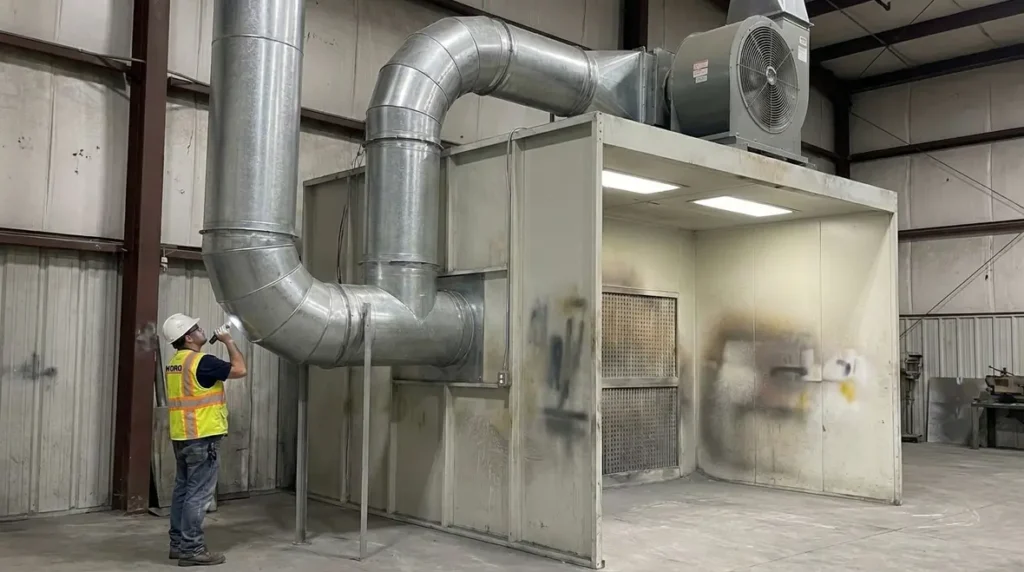
In spray operations, exhaust ducting becomes part of the fire and explosion protection strategy. The way ducts run from spray booths, spray rooms, and related operations influences where flammable mixtures travel, where residue can accumulate, and how hot surfaces or mechanical sparks can create ignition risk. For commercial facilities, poor routing practices also trigger inspection failures because they are hard to correct once equipment is installed.
The topic of NFPA 33 exhaust duct routing spray area rules is not limited to duct size. It includes configuration, termination approach, and details that affect maintenance and system reliability. When contractors and facilities follow the intent of Section 7.4, they reduce both immediate ignition hazards and long term operational drift.
What NFPA 33 Section 7.4 expects for exhaust duct routing
Section 7.4 focuses on safe conveyance of exhaust air and contaminants from spray areas without creating conditions that can ignite flammable vapors, residues, or dusts. While the exact wording must be applied to the specific process equipment and system design, the compliance goals consistently align with the following operational outcomes:
- Minimize the chance of ignition inside the duct system by controlling potential ignition sources and avoiding unsafe duct conditions.
- Control accumulation of overspray and residues that can increase fire load or block airflow.
- Maintain predictable airflow through correct routing, transitions, and connection practices that do not undermine designed performance.
- Support effective cleaning and maintenance by routing in a way that allows inspection access and removal of residues.
Commercial and retail environments frequently face a compliance gap here. They run exhaust ducting through occupied areas or complex ceilings, then rely on periodic cleaning without providing practical access for inspection. Inspectors often treat that as a system management deficiency, not just a design deviation.
How duct layout choices create compliance risks (and how facilities avoid them)
1) Long, circuitous routes increase residue and blockage
Routing from a spray area through multiple elbows, long horizontal runs, and constrained ceiling cavities increases deposition. Overspray can settle in low points and elbows, narrowing the duct and raising pressure drop. When airflow drops, systems may fail to maintain capture efficiency, pushing vapors back into the room and increasing hazardous concentrations where ignition sources may exist.
Practical compliance approach: limit unnecessary turns where feasible, maintain designed duct slopes where required by the system design, and design for clean out access. Kord Fire Protection typically evaluates airflow and maintenance practicality during survey planning so the as built duct routing matches the intended inspection and cleaning plan. If the broader concern is the spray hazard itself, their spray booth fire suppression guidance is a natural related read. ([kordfire.com](https://kordfire.com/spray-booth-fire-suppression-for-safer-paint-operations/?utm_source=openai))
2) Routing through mixed use spaces complicates hazard control
When exhaust duct penetrates other tenant spaces or common areas, facilities often face conflicting operational controls. Even if the exhaust fan is interlocked, duct failure, fan downtime, or improper dampers can expose other areas to flammable vapors or residue laden air.
NFPA style compliance expectations typically push facilities toward containment, proper separation, and safe termination practices. The goal remains the same: prevent ignition pathways and maintain controlled release conditions under expected operating and upset conditions.
3) Connection and transition detailing drives inspection results
Improper transitions between duct sections, noncompliant fittings, and loose connections create turbulence and leakage. Leakage can allow flammable vapors to escape into ceilings where maintenance activities introduce ignition sources. Inspectors also look for workmanship that supports long term tightness and cleanable surfaces.
Operational failure point: facilities sometimes reconfigure duct runs during HVAC renovations without revalidating exhaust performance, damper operation, and duct integrity. This turns a one time installation into an uncontrolled system over time.
Construction and maintenance requirements that protect against ignition
Section 7.4 is closely tied to the broader NFPA 33 intent: route exhaust ducting in a manner that reduces ignition likelihood and manages combustible residue. In practice, that translates into disciplined duct construction choices and a maintenance program that treats residues as expected byproducts of spraying.
Maintenance access is not optional
Facilities that cannot access elbows, low points, or sections of the duct run often miss early signs of residue accumulation. Over time, residue can insulate hot spots, increase fire load, and worsen airflow control. A robust maintenance plan typically includes:
- Documented inspection intervals aligned to use intensity and coating type
- Defined cleaning methods that remove overspray residue without damaging duct components
- Verification that airflow and capture performance remain within design expectations
Ongoing verification after changes
Commercial facilities commonly modify layouts for tenant improvements, lighting upgrades, or HVAC balancing. Any duct routing change can alter flow resistance, damper timing, and deposition patterns. After changes, facilities should verify that the exhaust system continues to operate as designed and continues to meet the applicable NFPA 33 exhaust duct routing spray area rules.
Kord Fire Protection supports ongoing compliance through inspections and technical documentation support, helping facilities demonstrate that changes do not silently degrade safety controls. For additional guidance on fire protection system readiness, facilities can review resources available via Kord Fire Protection.
Inspection and documentation: what auditors look for in real facilities
During compliance assessments, inspectors typically focus on repeatability. They want to see evidence that the system can safely remove overspray and vapors during actual operation, not just during initial commissioning.
Common inspection focus areas
- As built routing versus design intent, including duct paths, fittings, and access points
- Residue management readiness, including whether cleaning can be performed where accumulation occurs
- Operational control alignment, including fan interlocks, damper states, and startup and shutdown sequences
- Condition of duct surfaces, including signs of leakage, damage, corrosion, or excessive buildup
Facilities that fail often share the same pattern: duct routing appears acceptable at installation, but the facility cannot practically inspect and clean the system locations that accumulate the most residue. That gap creates a compliance and operational reliability risk that grows over time.
Common failure points and corrective actions
Even well designed systems can drift. The following failure points show up repeatedly in commercial and industrial environments:
- Undocumented rework that changes duct routing through ceiling spaces without updating maintenance procedures.
- Inadequate cleaning frequency that allows overspray residue to harden and restrict duct flow.
- Missing or obstructed access openings that prevent proper inspection and cleaning.
- Airflow imbalance after HVAC modifications that reduces capture effectiveness at the spray area.
Corrective actions typically include mapping the duct run, adding practical access where feasible, cleaning and residue removal, verifying damper and fan operation, and updating maintenance and inspection records. Kord Fire Protection can help facilities plan corrective action verification so the system remains compliant after repairs or upgrades.
Frequently Asked Questions
Next step: get a routing compliance check before small issues become shutdowns
Commercial spray operations often fail compliance during inspections because duct routing cannot be reliably cleaned, verified, or maintained. Kord Fire Protection helps facilities confirm exhaust duct routing safety, document corrective actions, and set practical inspection and maintenance routines aligned with NFPA 33 expectations. Schedule a site review so your spray exhaust system stays compliant, dependable, and audit ready.

Join Our Newsletter!
Get the latest fire safety tips delivered straight to your inbox From our Newsletter.