
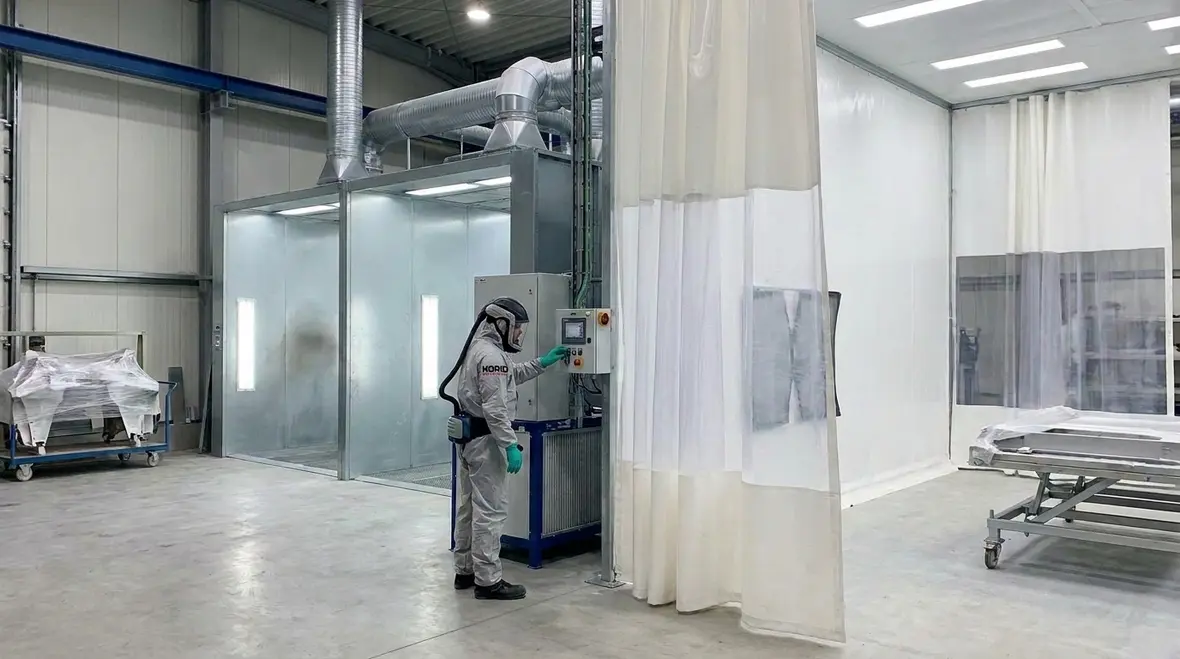
NFPA 33 Section 18.5: Personnel Safety Inside Membrane Spray Enclosures
Quick Answer: NFPA 33 Section 18.5 sets operational and safety requirements for people working inside membrane spray enclosures. It focuses on exposure control, safe entry and work practices, supervision, and maintaining enclosure performance so that spray emissions do not endanger personnel.
Facilities reviewing membrane enclosure safety often also benefit from strengthening their broader inspection, testing, and maintenance schedules under NFPA 33 Section 10.2, especially when enclosure performance tends to drift between service intervals.
Why NFPA 33 Section 18.5 matters in membrane enclosure operations
Membrane spray enclosures use a controlled airflow and a physical separation method to contain overspray and fumes. NFPA 33 membrane enclosure personnel safety relies on the enclosure remaining in its intended operating state during personnel entry, adjustments, and troubleshooting. Compliance does not stop at initial installation. It depends on how the enclosure is operated, inspected, maintained, and how personnel are protected when conditions shift due to loading, filter changes, airflow variations, or poor work practices.
In commercial facilities such as automotive refinish bays, industrial coating rooms, and retail finishing kiosks, the practical risk drivers are consistent: workers enter to adjust guns or retrieve parts, maintenance occurs during production windows, and enclosure performance gradually drifts without structured verification. The requirements in Section 18.5 aim to prevent those drift conditions from becoming exposure events.
What Section 18.5 requires for personnel safety inside the enclosure
NFPA 33 Section 18.5 focuses on protecting personnel when they are inside membrane spray enclosures. In practice, the standard expects the employer to ensure that entry and work activities do not compromise containment and that the enclosure continues to provide the level of protection required by the system design.
1) Maintain enclosure containment performance during occupancy
Personnel safety inside a membrane enclosure depends on stable airflow and proper membrane behavior. Common failure points include:
- Airflow reductions caused by clogged filters, partially closed dampers, or fan performance changes.
- Membrane damage or misalignment that weakens the containment mechanism.
- Bypass conditions created by improper staging, door misuse, or incorrect curtain positioning.
- Accumulated overspray loading that increases resistance and alters air velocity.
Commercial facilities often discover these issues during routine production, but the highest risk occurs when workers enter the enclosure assuming “normal” conditions.
2) Control work activities that increase exposure risk
Personnel tasks inside enclosures typically include gun setup, part positioning, troubleshooting, and cleanup. Higher risk behaviors include:
- Extended dwell time inside the enclosure without verified enclosure performance.
- Testing spray patterns or purging without confirming airflow stability.
- Opening or altering components that disrupt the intended air path.
- Using workarounds that reduce containment, such as leaning over openings or moving membranes out of position.
Section 18.5 directs attention to safe work practices, not just personal protective equipment. PPE complements engineering controls; it does not replace enclosure performance.
3) Use supervision, training, and safe entry procedures
Personnel safety depends on people understanding the system limits. Facilities typically implement entry controls that align with Section 18.5 expectations, including:
- Written procedures describing when entry is allowed and what must be verified first.
- Training for operators and maintenance staff on what can change containment performance.
- Role clarity for who can authorize entry and who can stop work if conditions deviate.
- Documentation that verifies checks occur before allowing personnel to enter the membrane enclosure.
Operational checks that prevent noncompliance during production
Meeting NFPA 33 requirements during the day is where many facilities struggle. The standard’s intent becomes real only when operational checks confirm that the enclosure system continues to operate as designed.
Before entry: verify key operating conditions
Facilities should require a pre entry verification routine tailored to the enclosure design. The routine typically includes checks such as:
- Fan and airflow function consistent with design intent.
- Control status that confirms the system is in the correct operating mode for spray and for occupancy.
- Membrane condition, positioning, and integrity, including signs of tearing, delamination, or improper lapping.
- Filter loading indicators and recent maintenance history.
- Door interlocks and access controls that prevent spray operation during unsafe entry conditions, where applicable to the system design.
During work: avoid conditions that degrade containment
Even when the enclosure is operating, personnel actions can degrade containment. Common triggers include:
- Temporary removal of components that disrupt airflow.
- Blocking intake or exhaust pathways with carts, hoses, or staging materials.
- Performing prolonged troubleshooting without verifying that performance remains stable.
- Inconsistent housekeeping that increases overspray accumulation beyond expected rates.
Commercial maintenance plans should treat these as controllable behaviors through training, signage, and supervisory oversight.
After work: confirm the system returns to safe operating condition
Section 18.5 safety outcomes improve when facilities include post activity verification. This often includes confirming that membranes are restored to correct position, components removed for access are reinstalled, and operating conditions are stable for the next production cycle.
Common compliance challenges in commercial and industrial sites
NFPA 33 membrane enclosure personnel safety often fails in the gaps between installation and ongoing operation. The following challenges appear repeatedly in commercial facilities.
1) Maintenance intervals do not match actual loading
Two enclosures can have the same model number and different realities. Higher daily throughput and extended spray schedules accelerate overspray loading and filter loading. If maintenance remains calendar based rather than performance based, enclosure airflow and containment effectiveness drift until exposure risk increases.
2) Incomplete inspection records during shift handoffs
Many plants and service shops operate multiple shifts. If pre entry and post work checks are not logged consistently, the next shift inherits unknown system condition. That gap can violate the practical intent of Section 18.5 because personnel safety depends on predictable enclosure performance.
3) Membrane damage treated as cosmetic
Membranes can tear, thin, or shift without immediate visible emissions. When staff assume minor damage is acceptable, containment and airflow behavior can change, especially during turbulence from personnel movement. Membrane inspection must include location specific checks and condition based actions.
4) Personnel entry without verified operating mode
Some facilities allow entry immediately after spray without ensuring the system has stabilized. If the enclosure uses controls that require a certain operating state, personnel entry during the transition can increase risk.
How Kord Fire Protection supports ongoing compliance and safe performance
Commercial operators need more than one time installation verification. They need ongoing testing, inspection, and documented maintenance that supports NFPA 33 compliance and safe work conditions.
Kord Fire Protection provides structured support for facilities managing spray enclosure safety programs, including inspection and maintenance planning aligned with real operating loads. For additional guidance on spray area safety and code-aligned practices, see NFPA 33 Section 9.2: Protecting Ventilation Systems in Spray Operations or visit Kord Fire Protection.
Frequently Asked Questions
Take action now
If your membrane spray enclosure supports personnel entry for setup, troubleshooting, or maintenance, review your entry procedures, performance verification steps, and documentation practices against the intent of NFPA 33 Section 18.5. Partner with Kord Fire Protection for inspection and maintenance support that reflects actual operating conditions. Schedule a compliance focused review now to reduce exposure risk, strengthen your audit readiness, and protect your workforce.

Join Our Newsletter!
Get the latest fire safety tips delivered straight to your inbox From our Newsletter.



