
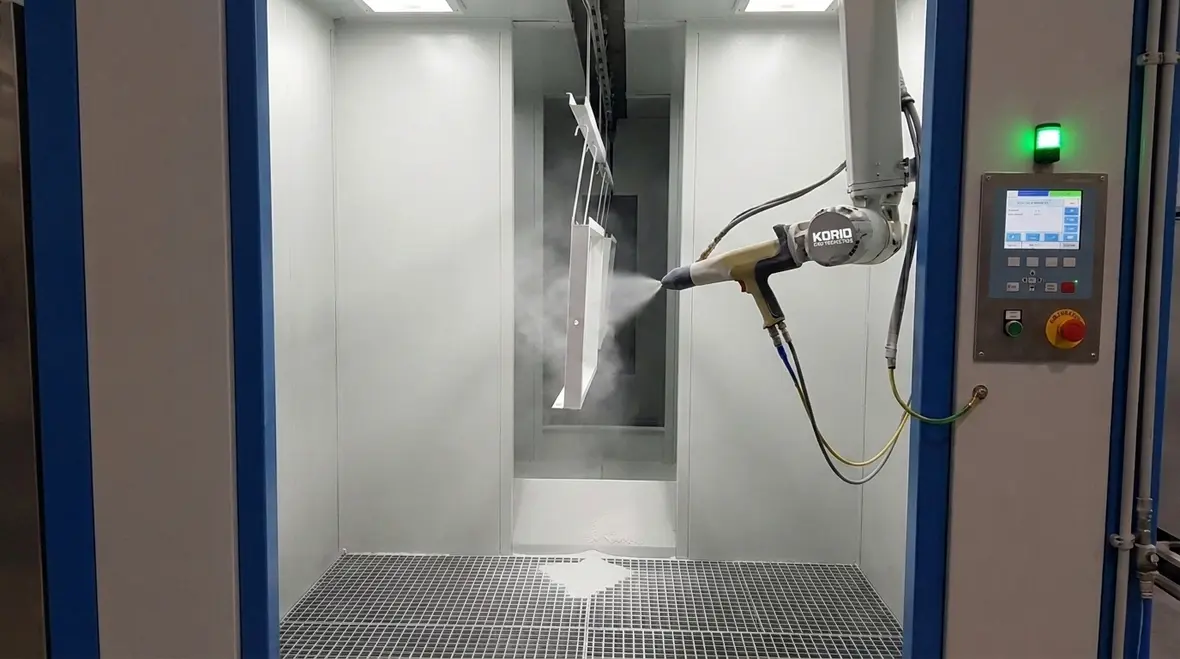
NFPA 33 Section 15.11: Automated Electrostatic Powder Spraying Equipment
Quick Answer: NFPA 33 Section 15.11 sets performance, maintenance, and safety expectations for automated electrostatic powder spraying equipment. It focuses on controlling ignition hazards, ensuring proper grounding and interlocks, and maintaining equipment reliability through inspection and preventative service.
Facilities building a stronger compliance program can also benefit from a broader commercial fire safety audit approach, especially when documentation, repeat findings, and system reliability all need to stop acting like distant cousins and start working together.
What does NFPA 33 Section 15.11 require for automated electrostatic powder systems?
NFPA 33 Section 15.11 addresses how facilities manage fire and explosion risk when operating NFPA 33 automated electrostatic powder spraying equipment. In practical terms, the section expects equipment to function as designed, with protective features that remain effective over time. Compliance is not limited to initial installation. It includes ongoing inspection, verification of safety functions, and documentation that the equipment continues to meet safety intent during normal production and during maintenance activities.
For commercial and industrial users, the most common compliance challenge is that electrostatic powder systems are frequently treated as “process equipment.” Fire safety compliance treats them as “hazard control equipment,” requiring controlled maintenance, proper grounding continuity checks, and evidence that interlocks and detection systems remain operational.
How automated electrostatic powder spraying equipment creates ignition risk
Electrostatic powder spraying increases transfer efficiency, but it introduces specific hazards that grow when equipment drifts out of specification. Key ignition risk mechanisms include:
- Electrostatic discharge and sparking: Loss of grounding continuity, damaged cables, or worn insulation can allow unintended energy to discharge to conductive parts or nearby surfaces.
- Powder accumulation: Overspray and fines can accumulate on floors, ductwork, and equipment housings, increasing the likelihood of ignition if an ignition source occurs.
- System air and airflow instability: Faulty pumps, blocked airflow paths, or clogged hoses can cause abnormal operating conditions that degrade safe spray behavior.
- Controller or interlock failure: Automation can keep spraying despite abnormal conditions unless safety circuits are functioning correctly.
NFPA 33 Section 15.11 is designed to keep the protection philosophy intact during automation. When systems run unattended or semi unattended, the margin for error decreases because small faults can persist through multiple production cycles.
Core compliance focus areas in Section 15.11
1) Grounding, bonding, and continuity control
Automated electrostatic systems rely on verified electrical pathways to reduce unexpected sparking. Facilities should expect requirements that support:
- Proper grounding of spray equipment, powder handling components, and control cabinets.
- Bonding between relevant conductive components to reduce potential differences.
- Ongoing verification after maintenance or component replacement, not only at commissioning.
Common failure points include loose grounding lugs after vibration, corrosion on contact surfaces, or cable damage where motion or cable routing changes occur in automated setups.
2) Safety interlocks and automatic shutdown behavior
Automated operation usually depends on interlocks that detect unsafe states. Section 15.11 expects these protective functions to remain reliable. From a maintenance perspective, the critical compliance question becomes: “Does the system reliably fail safe when a protected condition occurs?”
In commercial and industrial facilities, interlocks are often bypassed temporarily during troubleshooting. NFPA 33 intent is that safety controls must not be rendered ineffective during normal operation, and that any testing, replacement, or adjustment results in restored protective function.
3) Detection and control of abnormal spray conditions
Where the system design includes monitoring for airflow, supply, or other operating parameters, the protective response must match the hazard. Facilities should ensure that:
- Setpoints remain aligned with engineering design.
- Sensor locations remain unobstructed and calibrated.
- Control logic changes are controlled through an engineering and maintenance process.
4) Preventing hazardous powder deposition and residue
Powder deposition is not cosmetic. It acts as a fuel source. Even when the spray booth performance is nominal, automated systems can increase powder movement into areas that are not routinely inspected. Facilities should implement inspection points for:
- Floor and ledges around automated equipment
- Hoses, manifolds, and fittings
- Collectors and ducting components
- Inside access panels where powder can accumulate over time
Inspection, testing, and maintenance: what auditors look for
Section 15.11 compliance is typically validated through documented evidence and observable equipment condition. Auditors and insurers commonly focus on whether the facility can demonstrate that protective features work as intended between service visits.
Typical field verification activities
- Grounding continuity verification: Confirm continuity pathways and inspect physical fasteners, contact surfaces, and cable condition.
- Interlock functional testing: Verify that protective circuits interrupt spray functions or drive the system to a safe state under simulated fault conditions.
- Visual inspection of wear and damage: Identify cable sheath degradation, damaged hoses, loose fittings, and corrosion on conductive contact points.
- Operational checks for abnormal behavior: Look for unexpected spray patterns, inconsistent discharge behavior, or controller alarms that indicate degraded conditions.
Maintenance documentation that supports compliance
To strengthen defensibility, facilities should maintain:
- Service reports that reference the specific equipment and date
- Records of component replacement, including grounding related parts
- Test results for interlocks and any monitoring sensors
- Corrective action closeout documentation, including retesting
Kord Fire Protection supports commercial operations with repeatable inspection and maintenance processes designed to reduce compliance risk and production disruption. This includes scheduled verification aligned to facility risk and service intervals, plus practical recommendations that address recurring failure points rather than one time fixes.
For additional guidance on how commercial facilities manage code compliance through inspection and maintenance programs, see warehouse fire protection strategy.
Common failure points in automated electrostatic powder systems
Many “mystery” safety events trace back to predictable degradation patterns. The most common operational and mechanical issues include:
- Ground path deterioration: Corroded connections, loose mounting points, or replacement parts installed without verified compatibility.
- Damaged high voltage components: Cable insulation wear, punctures, or connector failures that develop under vibration.
- Interlock drift: Sensors become misaligned or obstructed. Control settings change during troubleshooting and remain unverified.
- Airflow restriction: Powder fines and agglomeration can partially block passages, leading to unstable spray behavior.
- Residual powder buildup: Accumulation in overlooked locations, including near automated movement pathways and behind access panels.
A strong compliance program anticipates these points by linking inspection frequency to equipment usage intensity and identifying “high consequence” locations such as grounding interfaces and automatic shutdown circuits.
How to apply Section 15.11 in real commercial settings
Industrial plants
Industrial facilities often run higher production volumes and longer shifts, which accelerates wear and contamination. Section 15.11 expectations typically translate into tighter preventive maintenance cycles, more frequent verification of grounding and interlocks, and disciplined control of setpoints and controller changes.
Retail and commercial finishing spaces
Retail and smaller commercial finishing operations may have less dedicated maintenance staffing. In these environments, compliance success depends on clear responsibility, training, and scheduled service that includes interlock functionality testing and residue management. Even when automation reduces labor exposure, it can increase unattended hazard duration if protective systems degrade.
Shared responsibility and contractor work
When contractors install or modify components, facilities should ensure the protective intent is preserved. Any post work verification should include grounding checks and interlock restoration, not just operational “start up.”
Frequently Asked Questions
Next steps for compliant operation
Facilities operating automated electrostatic powder systems should confirm that Section 15.11 protective functions remain effective through documented inspections and functional testing. Kord Fire Protection can help establish practical maintenance routines, verify grounding and interlocks, and keep records audit ready. Contact Kord Fire Protection to schedule an on site assessment and develop a compliance focused service plan tailored to your equipment, operating schedule, and risk level.

Join Our Newsletter!
Get the latest fire safety tips delivered straight to your inbox From our Newsletter.



