
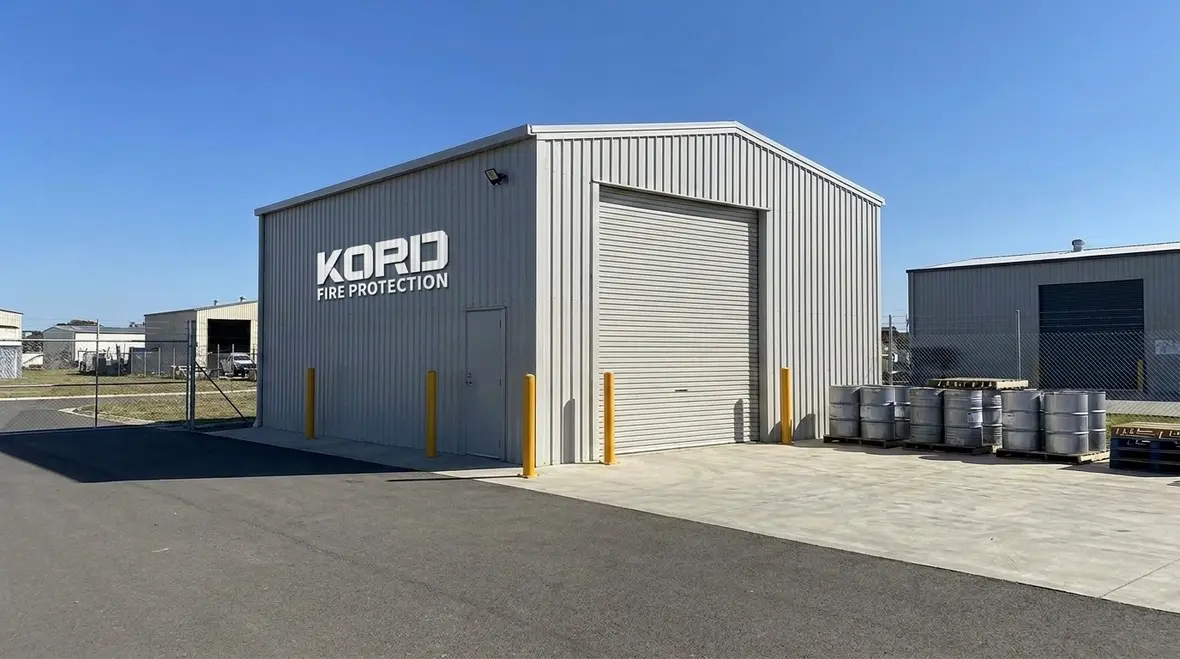
NFPA 30 Section 13.4: General Rules for Detached Building Storage
Quick Answer: NFPA 30 Section 13.4 sets the baseline fire safety expectations for storage in detached buildings. It focuses on layout, hazard control, ignition source management, and maintainable protection features so facilities reduce escalation risk and remain inspectable over time.
What NFPA 30 Section 13.4 covers for detached storage
NFPA 30 Section 13.4 general detached building requirements establish how a commercial facility should store flammable and combustible liquids in a building that stands apart from the main operating structure. In practice, compliance does not stop at design and construction. It also depends on operational controls, housekeeping discipline, and verification that required fire protection and detection systems keep functioning as intended.
Facilities often encounter the same pattern of risk: normal operations gradually increase storage density, modify electrical systems, change housekeeping routines, or delay maintenance. These drift points can undermine the assumptions behind the original fire safety plan. A qualified provider such as Kord Fire Protection supports ongoing compliance through inspection, impairment management, and documentation that aligns with operational reality. For facilities tightening those routines early, it helps to review Kord’s fire protection services guide as a practical companion to detached storage planning.
How the “detached” concept changes the safety approach
Detached buildings introduce specific fire spread and emergency response considerations. NFPA 30 Section 13.4 expectations generally tie hazard separation to reliable control of ignition sources and the ability to prevent or limit fire growth. This matters in commercial, industrial, and retail contexts where storage rooms, small process buildings, and outdoor tank sheds often evolve over time.
Common commercial challenges
- Access and layout drift: Trucks route differently than at design, creating blocked access for emergency responders and fire protection equipment.
- Electrical upgrades: Maintenance staff replace lighting, outlets, or heaters without considering hazardous location requirements or manufacturer installation criteria.
- Ventilation and product changes: A facility switches to a different liquid with different volatility or odorant properties, changing vapour behaviour and escalation potential.
- Accumulated combustibles: Packaging waste, rags, pallets, and cardboard pile up because housekeeping schedules focus on the main site rather than detached structures.
Operational rules that drive real compliance
NFPA 30 Section 13.4 compliance succeeds when day to day procedures support design intent. The following operational categories typically determine whether a detached building remains compliant over time.
1) Limit ignition sources and control hot work
Detached storage buildings must be treated as hazard controlled zones. Facilities need written hot work procedures that address permits, fire watch requirements when applicable, and restrictions on temporary heating, grinding, or cutting. Ignition control also includes static discharge awareness for transfer activities and ensuring that tools and equipment used around flammable liquid containers do not create elevated surface temperatures or sparks.
2) Maintain safe storage practices for containers and quantities
Even when the building meets the original storage limits, drift occurs. Common failure points include oversized container changes, use of incompatible transfer hoses, and storage of unknown or unlabelled liquids. Operational controls should include container labeling verification, inventory tracking that matches the design basis, and clear rules for rejects and returns.
3) Keep spill control and drainage pathways effective
Detached buildings typically rely on containment and spill response readiness to prevent a small release from becoming a larger flammable vapour incident. Facilities should maintain spill control materials, ensure absorbents do not become a combustible load, and verify that drainage pathways do not spread product to ignition sources. If the building uses sumps, trenches, or other drainage concepts, inspection should confirm no blockage or corrosion that could change how spills behave.
4) Maintain housekeeping standards that do not “creep”
Housekeeping is frequently the overlooked compliance lever. Storage buildings accumulate paper, stretch wrap, dust, and discarded packaging. Over time these materials increase fire load and can accelerate fire growth. A strong program sets measurable inspection points, assigns responsibilities, and documents corrective actions when waste storage is found in high hazard areas.
Protection features and inspection readiness
Detached storage buildings often require protection measures that remain operable, accessible, and free of impairment. NFPA 30 Section 13.4 general detached building requirements are only effective when protection systems and critical components perform their intended function during abnormal events.
Verify access, clearances, and equipment visibility
- Ensure fire extinguishers, hose connections, and shutoff controls are unobstructed and unobscured.
- Keep required access routes usable for maintenance crews and emergency responders.
- Maintain signage and hazard communication to support fast occupant decision making.
Common impairment points seen during commercial audits
- Blocked detection or alarms: Dust accumulation or recent renovations cover sensors, strobes, or alarm panels.
- Inoperable emergency lighting: LED replacements without correct testing schedules reduce reliability.
- Damaged or missing seals: Doors and closures may lose self latching capability due to routine use and neglect.
- Incorrect maintenance intervals: Service vendors may focus on the main building, leaving detached structures behind.
For deeper context on how NFPA 30 regulates flammable liquids in operational terms, facilities can also review this resource: how NFPA 30 regulates flammable liquids.
Documentation and ongoing compliance management
NFPA 30 expectations rely on repeatable control, not one time construction compliance. Commercial facilities should run detached building inspections using a schedule tied to risk, operating hours, and seasonal changes. The goal is to detect drift before it becomes a nonconformity.
What to document for inspection readiness
- Inventory records and proof of quantities consistent with the storage plan.
- Inspection logs for spill response assets, housekeeping checks, and container condition audits.
- Testing records for fire protection systems, alarms, and emergency equipment servicing.
- Hot work permits and post work fire watch records when applicable.
- Corrective action documentation with closure evidence, not just work orders.
Kord Fire Protection supports commercial, industrial, and retail clients by helping establish compliance routines that align with the facility’s real workflow. This approach reduces the common gap between “paper compliance” and field conditions, especially after contractors, maintenance teams, or product lines change.
Frequently Asked Questions
Next step for compliant detached storage
Contact Kord Fire Protection to review your detached storage building controls against NFPA 30 Section 13.4 expectations, confirm inspection readiness, and build a practical maintenance plan that fits your workflow. A field focused compliance assessment can identify drift points early, reduce inspection surprises, and support defensible documentation for commercial audits.

Join Our Newsletter!
Get the latest fire safety tips delivered straight to your inbox From our Newsletter.



