
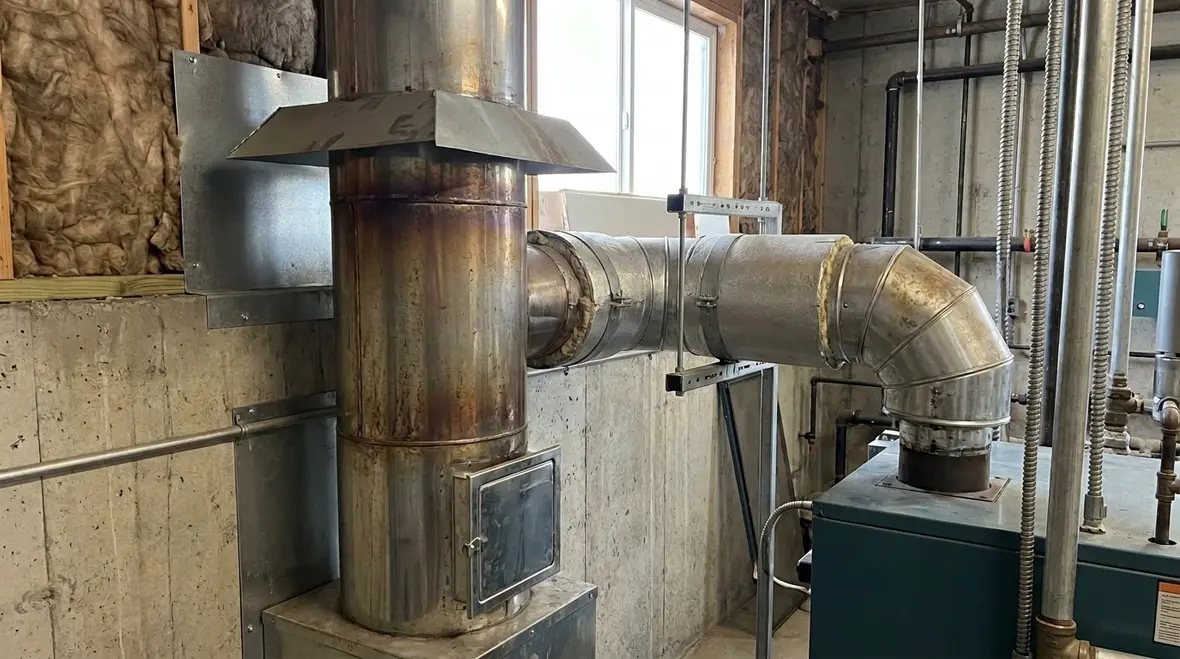
NFPA 31 Section 6.6: Chimney Requirements for Oil-Burning Equipment
Quick Answer: NFPA 31 Section 6.6 sets detailed chimney and venting rules for oil-fired appliances, including sizing, construction, clearance, supports, lining, and connection methods. The goal is safe draft, controlled flue gas temperatures, and reliable performance across start up, steady burn, and shutdown conditions.
What NFPA 31 is trying to prevent in chimney systems
In commercial boilers, process heaters, and packaged oil-fired equipment, chimney performance drives safety and compliance. NFPA 31 chimney requirements oil fired appliances focus on preventing improper draft, flue gas leakage, excessive cooling, condensation, and fire spread into concealed spaces. Section 6.6 also addresses how the chimney interfaces with the appliance, how it resists corrosion from combustion byproducts, and how it is maintained over time. These requirements matter in facilities where operations cycle frequently, housekeeping is variable, and contractors change from job to job.
For a practical, installation oriented walkthrough that complements Section 6.6, see NFPA 31: A Practical Guide to Oil Burning Equipment Installation.
If your facility is coordinating broader life safety work alongside oil-burning equipment concerns, Kord Fire’s fire protection services in Southern California page gives a clear overview of inspections, repairs, installs, and emergency support.
Where Section 6.6 applies (and where teams commonly misread it)
NFPA 31 Section 6.6 governs chimney requirements associated with oil burning equipment. In practice, teams often apply “chimney rules” to vents and flue piping interchangeably, or they treat existing chimneys as automatically compliant. Section 6.6 expects the chimney system to be treated as a safety critical assembly because it must manage flue gas routing under both normal operation and upset conditions such as delayed ignition, burner cycling, soot loading, and accidental loss of draft.
Common commercial misreads include:
- Assuming an existing masonry stack is acceptable without evaluating lining condition. Deteriorated liners or improper internal conditions can allow leakage and corrosive attack.
- Underestimating the impact of connection design. The connector and the chimney entry point influence how exhaust gases transition and how soot collects.
- Not verifying clearance and support arrangements. Heat growth, building movement, and maintenance access can change load paths over time.
Chimney construction, lining, and sizing: what must work in the real world
Section 6.6 centers on ensuring the chimney can handle the appliance’s flue gas characteristics. For oil fired appliances, that means the chimney must maintain effective draft, resist heat and corrosion, and prevent leakage. Construction and lining requirements typically focus on materials suitable for flue gas and the ability to contain byproducts safely through the chimney’s service life.
1) Materials and internal integrity
Commercial facilities frequently reuse older chimneys to reduce downtime and project cost. However, Section 6.6 expects internal integrity sufficient to contain flue gases. Where a liner is required, its condition, installation quality, and compatibility with the appliance determine whether the chimney remains safe during extended burn cycles.
2) Size and draft performance
An oversized chimney can reduce draft velocity, cool flue gases, and increase condensation risk. Condensate and soot can combine into residues that promote corrosion and clogging. An undersized chimney can increase backpressure and disturb burner operation, which can drive incomplete combustion and higher flue gas temperatures at problematic locations.
3) Transition areas and soot management
Where the appliance connects to the chimney, transition geometry and entry design influence soot deposition. Poor transitions can create pockets that trap debris, leading to measurable restrictions and reduced draft. Maintenance teams should plan access points for cleaning that align with operational schedules and the expected soot loading rate for the specific fuel quality and burner settings.
Connections, clearances, and supports: the hidden compliance risks
Even when a chimney’s overall structure looks sound, compliance failures often occur at the details: connector interfaces, penetration sealing, support spacing, and thermal clearances to combustibles. In occupied commercial, industrial, and retail buildings, these issues become more likely because there are more ceiling spaces, more service corridors, and more subcontractors touching the system during tenant fit outs or equipment upgrades.
1) Chimney and flue connector interface
Section 6.6 requires that the connection between the oil fired appliance and the chimney system supports stable venting. If the connector arrangement creates turbulence, improper slope, or unsealed joints, flue gases can spill into the appliance room or into concealed spaces. These failures can be intermittent, which makes them difficult to detect without targeted inspection and commissioning checks.
2) Clearances to combustibles
Clearances reduce heat transfer risk to framing, insulation, and other combustible materials. Field inspections commonly find aftermarket patchwork: insulation pulled away unevenly, drywall replaced without documented clearances, or penetrations closed in ways that block required airflow around the chimney system.
3) Supports, stability, and building movement
Chimneys and liners must remain secure under thermal expansion and building movement. Loose supports or incorrect anchorage can introduce stress into joints, distort alignment, and open pathways for leakage. Commercial teams should also account for vibration from nearby equipment and maintenance work that can shift mounts over time.
Inspection and maintenance: keeping draft and containing byproducts
NFPA 31 chimney requirements oil fired appliances require more than initial installation correctness. Chimneys accumulate soot, scale, and residues that can reduce cross sectional flow area and increase corrosion potential. Maintenance is how facilities sustain safety margins and avoid nuisance failures, repeated lockouts, and costly downtime.
Operational failure modes that inspections should catch
- Reduced draft due to soot accumulation. Symptoms can include burner instability, longer ignition timing, and changes in combustion readings.
- Signs of condensation and corrosion. Staining, deterioration, and odor complaints can indicate sustained cooling and moisture.
- Joint leakage at connector and entry points. Look for sealing failures, soot trails, and unexpected odors at access panels.
- Damaged liner systems. Cracks, separation, and improper liner terminations can compromise containment.
Practical commercial inspection approach
A compliance focused inspection should include verification of chimney condition, connection integrity, accessible cleanouts, and evidence that the system supports required cleaning and service. In many commercial environments, the inspection window is tight, so teams benefit from a structured checklist and a maintenance plan linked to burner hours, fuel quality variability, and seasonal operating intensity.
Kord Fire Protection supports commercial, industrial, and retail facilities by aligning NFPA 31 chimney requirements with real site constraints. That means documented inspection findings, service coordination to minimize downtime, and ongoing support so chimney systems remain safe between scheduled maintenance cycles.
When upgrades trigger chimney compliance work
Commercial projects often upgrade burners, change fuel grade, or reconfigure equipment rooms. These changes can alter flue gas flow, temperature profile, and condensation risk. As a result, Section 6.6 requirements can become relevant during activities that are not framed as “chimney work,” such as burner replacement or boiler relocation.
Common scenarios
- Replacing the burner without verifying draft. The chimney may have performed acceptably at older firing rates or combustion settings but fail under new operating conditions.
- Adding power venting or changing control logic. Any change that affects draft characteristics can change soot and moisture behavior inside the chimney.
- Tenant renovations that alter clearances or conceal access. Covering cleanouts or closing maintenance routes can conflict with inspection and cleaning needs.
To plan effectively, facilities should treat the chimney system as part of the overall combustion safety strategy, not just as building infrastructure.
Frequently Asked Questions
Get chimney compliance right before it becomes downtime
Section 6.6 is not a paperwork exercise. It governs a safety critical pathway that affects draft stability, condensation control, and containment of flue gases. Kord Fire Protection helps commercial facilities verify chimney and connection integrity, document findings, and plan maintenance that keeps oil fired appliances compliant and reliable. Schedule an NFPA 31 focused review with Kord Fire Protection to address site specific risks before the next operating season.

Join Our Newsletter!
Get the latest fire safety tips delivered straight to your inbox From our Newsletter.



