
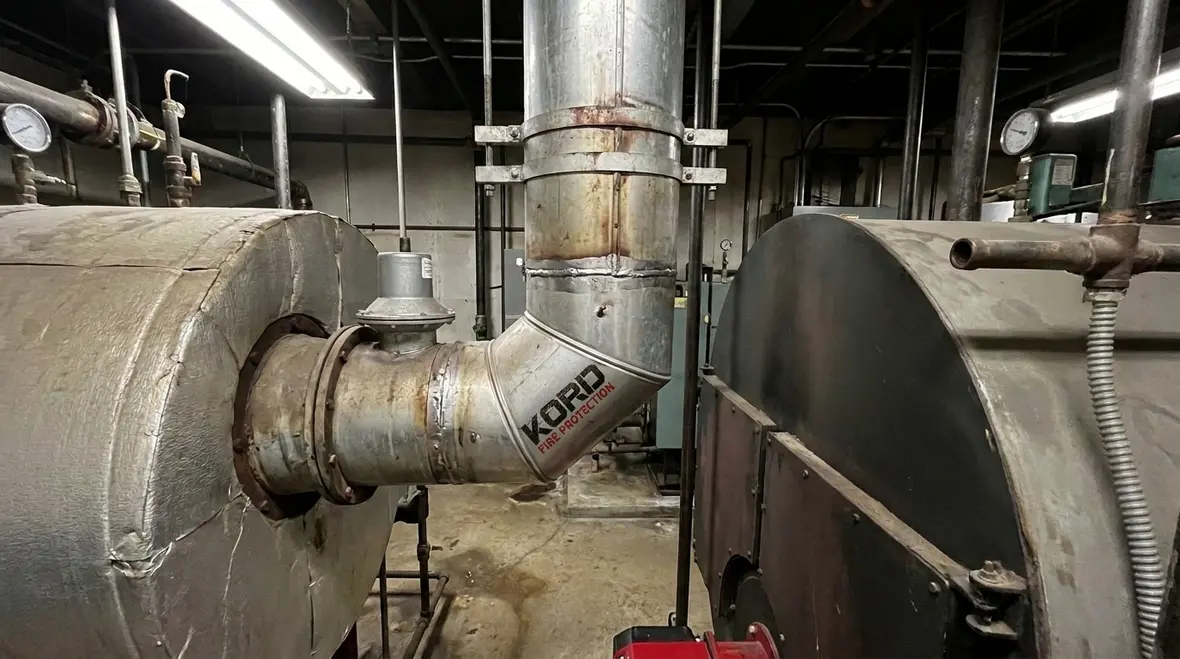
NFPA 31 Section 6.2: Basic Flue Venting Requirements for Oil Equipment
Quick Answer: NFPA 31 Section 6.2 sets the minimum venting requirements for oil fired equipment, focusing on safe draft, correct connector and chimney sizing, proper termination, and installation details that reduce soot, leakage, and spillage. Compliance depends on correct component selection and ongoing inspection and maintenance.
For facilities reviewing broader compliance and installation decisions, fire protection services in Southern California can help tie venting concerns to inspection planning, repairs, and documentation in a way that actually holds up in the field.
Why Section 6.2 matters in commercial oil heating
Commercial and industrial sites often run oil fired boilers, unit heaters, process heaters, and space heaters in environments where operating conditions vary daily. The basic flue venting requirements in Section 6.2 address how combustion products move from the appliance to the outdoors without causing unsafe backdrafting, excessive draft, or leakage. In practical terms, facilities that treat venting as an install once and forget task tend to see recurring problems: failed seals, degraded connectors, wrong vent materials, restricted terminations, and improper supports.
From an inspection standpoint, Section 6.2 helps define the boundary between “equipment problem” and “venting system problem.” Many nuisance lockouts and burner complaints trace back to venting performance rather than fuel or controls. Kord Fire Protection typically finds that the best compliance outcomes come from commissioning that verifies draft and pressure relationships, followed by periodic visual checks and cleaning intervals tied to actual operating conditions.
What “basic venting” includes under NFPA 31 6.2
Section 6.2 governs the fundamental arrangement and condition of the flue venting system that connects oil burning equipment to the outdoors. The intent is to ensure the venting system consistently removes combustion products while maintaining safe pressure and flow conditions during burner operation and standby.
Core elements facilities must get right
- Correct vent connector and chimney configuration that supports stable venting under operating and ambient conditions.
- Proper sizing and layout to prevent restriction or excessive resistance that can lead to spillage.
- Safe terminations that discharge combustion products without being blocked by building openings or wind effects.
- Joint tightness and leakage control so combustion products do not escape into occupied spaces or mechanical rooms.
- Support, alignment, and protection to prevent sagging, separation, corrosion acceleration, or condensate related deterioration.
For commercial sites, “basic venting” also means the system must remain serviceable. Inspections frequently reveal that connectors were replaced with mismatched components during repairs, or that later modifications changed airflow paths, negative pressure zones, or clearances around the vent terminal.
Installation details that drive compliance outcomes
Even when the correct appliance model is installed, venting compliance can fail due to details that look minor during first installation. Section 6.2 focuses on ensuring installation practices preserve vent performance over time, not just at the day one inspection.
Vent connector integrity and alignment
Connectors must maintain alignment and remain securely connected. Common failure points include:
- Loose joints that allow flue gas leakage.
- Connector sections that drift out of position during vibration or maintenance.
- Improper transitions between the connector and chimney that create turbulence or localized cooling.
Where leakage occurs, the facility can see odors, soot staining at joints, and burner lockouts that worsen as the vent system degrades. Kord Fire Protection typically treats connector verification as more than a fast visual. The service approach prioritizes joint condition, hangers and supports, and signs of spillage or condensate handling issues.
Draft and pressure stability in real building conditions
Commercial buildings often include rooftop units, exhaust fans, makeup air systems, and negative pressure spaces. These factors influence draft and can reverse the expected flow through the vent. Section 6.2 requirements work together with the broader intent of safe combustion air and venting performance. Facilities should consider:
- Exhaust operation during commissioning and service modes.
- Airflow changes during door openings, loading dock activity, or seasonal HVAC adjustments.
- Building pressure relationships in mechanical rooms and corridors that can impact flue spill tendencies.
Practical compliance challenge: a vent system that meets requirements during a baseline test can fail later if facility management changes HVAC schedules or adds exhaust equipment without confirming venting performance. A documented periodic verification program reduces this risk.
Termination location and wind resistance
Termination rules are critical because wind driven back pressure, proximity to openings, and recirculation can reduce effective draft. In the field, termination problems often show up as:
- Restricted discharge due to nearby walls, lattice structures, or parapet effects.
- Terminal placement that allows recirculation into fresh air intakes.
- Ice, debris accumulation, or vegetation encroachment at the vent terminal.
Kord Fire Protection supports ongoing compliance by identifying termination hazards during routine visits and connecting them to the operational behavior of the burner and vent system.
Inspections and maintenance: where Section 6.2 compliance is won
NFPA 31 venting compliance does not end at installation. Section 6.2 outcomes depend on the vent system remaining within acceptable condition limits. Commercial facilities should structure maintenance around observed condition, burner run time, and local environment.
What inspectors and maintenance teams should look for
- Soot accumulation that indicates incomplete combustion, inadequate draft, or restricted venting.
- Corrosion and condensate damage at joints, hangers, and terminal areas.
- Cracked, separated, or warped connectors and damaged chimney liners or surrounds.
- Blocked or partially obstructed terminations and deteriorated screens or guards (where applicable).
- Evidence of spillage such as staining, odors, or residue in the appliance area.
Cleaning and service intervals tied to facility risk
Cleaning should not follow a generic schedule when conditions differ across sites. Fuel quality, burner adjustment practices, and ambient weather exposure drive soot loading and condensate rates. Maintenance that focuses on venting performance supports:
- Stable burner ignition and fewer nuisance shut downs.
- Reduced risk of flue gas leakage into occupied areas.
- Longer connector life and less frequent emergency repairs.
For a deeper installation perspective, see NFPA 31: A Practical Guide to Oil Burning Equipment Installation, which helps facilities map venting and installation choices to real operational outcomes.
Common compliance pitfalls in the field
Commercial technicians frequently encounter repeat issues that impact basic flue venting requirements. The following pitfalls regularly appear during re inspections and corrective maintenance:
- Wrong or substituted vent components during repairs that do not match the original material and performance expectations.
- Incorrect routing or excessive offsets that increase resistance and reduce effective draft.
- Vent terminal obstructions caused by later renovations, stored materials, or landscaping changes.
- Mechanical room pressure changes after HVAC upgrades that alter vent draft behavior.
- Worn seals and degraded joint materials that allow flue gas leakage over time.
Kord Fire Protection addresses these problems with documentation focused on what changed, what evidence was observed, and what corrective action restores compliance. This reduces recurring downtime and supports consistent audit readiness across seasons.
Frequently Asked Questions
Next step: get your venting compliance verified
If your site runs oil burning equipment, confirm that vent connectors, terminations, supports, and joint integrity align with basic flue venting requirements and remain within acceptable condition. Kord Fire Protection can help commercial facilities plan inspections, correct recurring venting issues, and maintain audit ready documentation. Contact Kord Fire Protection today to schedule an on site assessment and a maintenance plan tailored to your building’s operating conditions.

Join Our Newsletter!
Get the latest fire safety tips delivered straight to your inbox From our Newsletter.



