
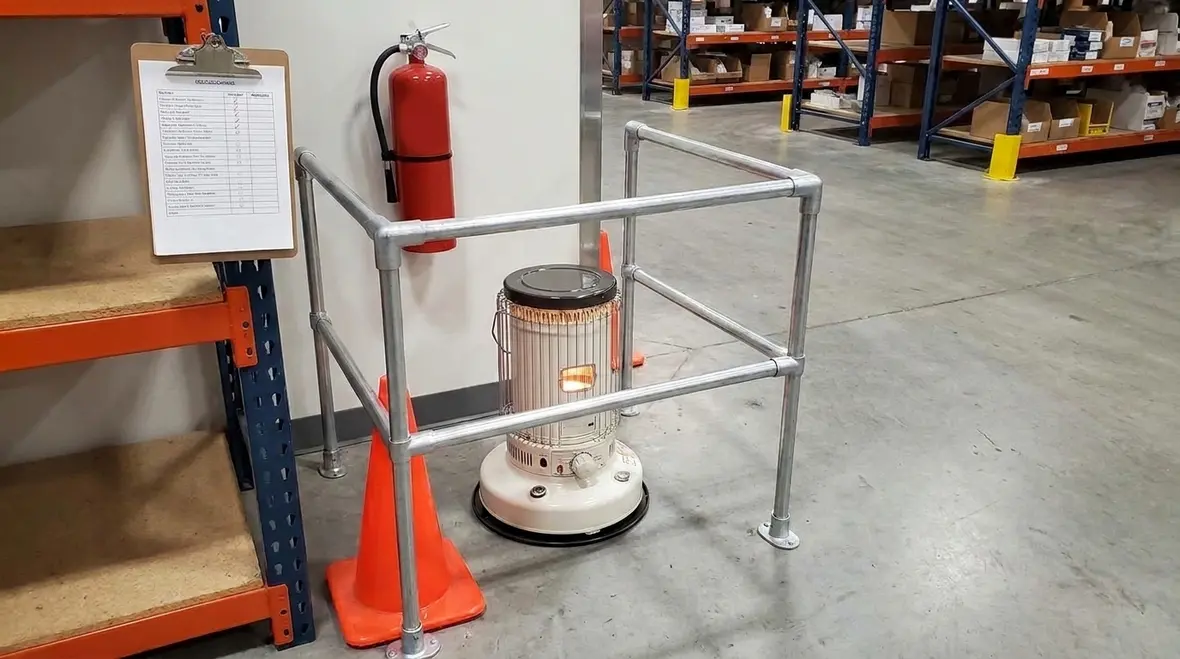
NFPA 31 Section 11.2: Basic Requirements for Oil Stoves and Kerosene Heaters
Quick Answer: NFPA 31 Section 11.2 sets baseline safety requirements for oil stoves and kerosene heaters, focusing on approved equipment, safe fuel handling, installation clearances, secure ventilation, and safeguards against fire hazards. Compliance also depends on proper maintenance and inspection practices.
For a practical installation focused reference, facilities often also review NFPA 31: A practical guide to oil burning equipment installation early in the planning process so Section 11.2 requirements are applied in a way that actually makes sense in the field.
What NFPA 31 oil stove kerosene heater basic requirements actually cover
Commercial facilities commonly install portable heating equipment to manage downtime, seasonal workload spikes, or temporary work zones. When those spaces involve oil stoves or kerosene heaters, the NFPA 31 oil stove kerosene heater basic requirements drive decisions on how equipment gets installed, fueled, protected from ignition sources, and inspected over time. Section 11.2 focuses on establishing minimum baseline controls so the equipment can operate without creating conditions that lead to fire spread, burner malfunction hazards, or improper fuel storage practices.
Because installation details and operating conditions vary widely, compliance success depends on how the equipment is integrated into the building environment, how maintenance is executed, and how facilities verify performance during routine inspections.
1) Start with approved equipment and correct listing assumptions
NFPA 31 expectations begin with the selection of heating appliances that meet recognized standards and are intended for the fuels and installation conditions in the facility. In practice, compliance teams often discover gaps when equipment is substituted without documented compatibility, such as changing fuel type, altering fuel delivery components, or swapping burner assemblies without verifying they match the manufacturer and the safety intent of the listing.
Key compliance challenges in commercial settings include:
- Unverified fuel compatibility: Using kerosene heaters with fuels or additives outside the manufacturer’s allowances.
- Component mismatch: Replacing wick, nozzle, or pump components with non equivalent parts.
- Unauthorized relocation: Moving heaters into spaces with different ventilation or clearance conditions.
Commercial compliance requires documenting the equipment identity, fuel allowances, and manufacturer instructions. Kord Fire Protection typically supports facilities by reviewing asset records against installed conditions, then aligning operational controls to what can be verified during inspections and audits.
2) Installation basics that prevent ignition and limit fire spread
Section 11.2 requirements for oil stoves and kerosene heaters emphasize installation controls that reduce ignition risk and limit how quickly a developing fire can spread. Even when a heater is functioning properly, poor installation choices can turn routine operation into a combustible loading problem.
Clearances and combustibles
Facilities must ensure safe separation between the heater and combustible materials, including stored products, packaging, insulation, or structural elements that can heat up or char. Common real world failure points include heaters positioned too close to shelving or ductwork, heaters used near temporary construction materials, and changes to the space after installation that introduce new combustibles.
Stability and secure positioning
Oil stoves and kerosene heaters must be installed so they remain stable during normal operation. Vibration from nearby equipment, uneven floors, or frequent relocation increases the likelihood of tipping or misalignment. Misalignment can also affect burner performance, flame characteristics, and heat transfer to surrounding surfaces.
Fuel delivery integrity
The heater’s fuel path matters. Leaks or loose connections can create a localized flammable atmosphere or pool combustible liquid. Commercial sites often add multiple layers of complexity, such as extension runs, shared storage areas, or maintenance practices that leave fittings insufficiently tightened.
3) Ventilation and exhaust considerations for safe combustion
Combustion and ventilation are central to safe operation. In practice, compliance failures frequently arise when heaters are used in spaces where airflow patterns are altered, such as doors kept open, mechanical ventilation shut down during night shifts, or warehouse airflow changed by new dock operations.
Why this matters
When combustion air is insufficient or exhaust is obstructed, the heater can produce incomplete combustion. That can increase soot, create abnormal flame behavior, and raise fire risk around deposits and hot surfaces. Even if a heater “appears” to burn, operational drift over time can push it outside safe performance conditions.
What inspections typically verify
- Vent termination and obstructions: Confirmation that exhaust paths remain clear and that changes in the area have not introduced blockages.
- Air movement changes: Verification that operational schedules do not create low oxygen or negative pressure conditions where heaters are installed.
- Burn characteristics: Checks for abnormal flame, smoking, or evidence of incomplete combustion.
Kord Fire Protection supports ongoing compliance by pairing field observations with documented checks so operational staff understand what to look for between service intervals.
4) Safeguards, controls, and maintenance requirements that keep heaters reliable
NFPA 31 Section 11.2 requirements work only when heaters stay in safe condition. Commercial heaters operate under longer runtime windows, more frequent start ups, and a broader range of environmental conditions than residential use. This drives the need for scheduled inspection and maintenance tied to the manufacturer’s instructions and risk conditions in the facility.
Common failure points that lead to noncompliance
- Dirty burner assemblies: Soot and residue reduce predictable combustion and can overheat components.
- Worn fuel system components: Aging seals or degraded fittings increase leak probability.
- Improper ignition performance: Inconsistent ignition cycles can extend exposure time during startup.
- Obstructed air inlets or vents: Dust accumulation or storage items interfere with air paths.
Operational controls that reduce incidents
Commercial facilities typically implement operational controls such as documented start up procedures, restrictions on placement, and staff training that aligns with the hazard profile of oil and kerosene fuels. When staff changes occur, written job aids help maintain consistent practice.
For a practical, installation focused perspective on oil burning equipment in commercial environments, facilities often reference this internal resource: NFPA 31 A practical guide to oil burning equipment installation. It supports planning and verification steps that complement the Section 11.2 baseline requirements.
5) Inspection readiness for commercial, industrial, and retail facilities
NFPA 31 compliance audits succeed when facilities can demonstrate that requirements do more than exist on paper. Heaters used in warehouses, retail stockrooms, workshops, and small industrial areas often face rapid change. New shelving layouts, seasonal stock changes, and temporary contractors moving equipment all create drift from the original installation condition.
What compliance teams should prepare before an audit
- Equipment documentation: Make model, fuel type, and installation location records available for quick verification.
- Maintenance logs: Show dates, service performed, and observed operating condition outcomes.
- Field verification checklists: Clear evidence that clearances, ventilation, and fuel system integrity are checked on schedule.
- Staff awareness: Confirm that operational staff understand safe handling and the “do not use if abnormal” concept for heater performance.
Kord Fire Protection helps commercial teams close common gaps by conducting practical, field based reviews and aligning the maintenance program with the realities of daily operations. That approach reduces recurring noncompliance and shortens correction timelines.
Frequently Asked Questions
Conclusion and call to action
NFPA 31 Section 11.2 creates the baseline safety framework for oil stoves and kerosene heaters, but real compliance depends on correct installation, safe combustion conditions, and disciplined maintenance. Facilities should review heater placement, ventilation assumptions, and fuel system integrity before issues appear during audits or incidents. Contact Kord Fire Protection to schedule a compliance review, maintenance program alignment, and inspection readiness support tailored to your commercial environment.

Join Our Newsletter!
Get the latest fire safety tips delivered straight to your inbox From our Newsletter.



