
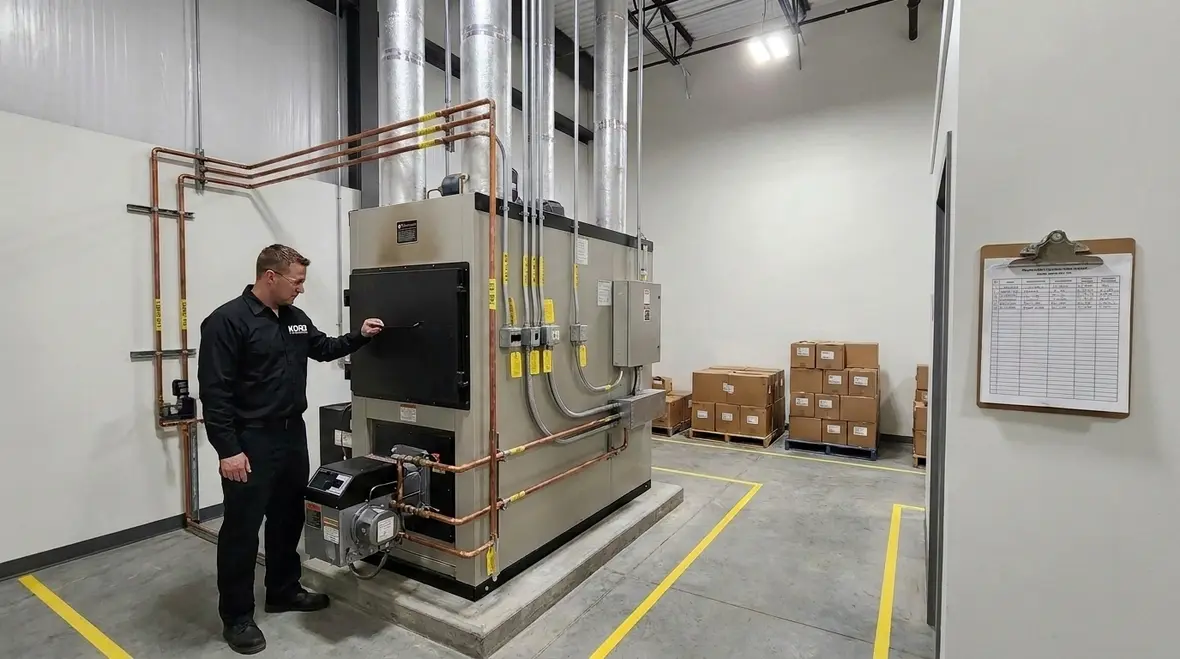
NFPA 31 Section 10.9: Floor Furnace Installation Requirements
Quick Answer: NFPA 31 Section 10.9 sets specific requirements for installing floor furnaces to prevent fire spread, ensure safe combustion, and support reliable operation. It focuses on location, clearances, venting, fuel piping, protection of combustibles, and inspection readiness. Commercial owners should verify compliance before commissioning.
For broader code-focused support tied to inspections, repairs, and installation planning, explore fire protection services in Southern California.
What NFPA 31 floor furnace installation requirements actually protect against
NFPA 31 floor furnace installation requirements focus on controlling the three recurring failure paths that drive incidents in commercial and industrial oil burning systems: ignition of combustibles due to heat transfer or proximity, unsafe venting that allows flue gas leakage or products of combustion re entry, and fuel system hazards that escalate quickly when piping or connections fail. Section 10.9 also supports consistent inspections by requiring installers to build the equipment setup in a way that can be safely accessed, verified, and maintained over time.
For facilities managing large energy loads like retail distribution centers, warehouses, hospitals, and light manufacturing, the compliance goal is not only “passing inspection.” The goal is predictable performance across seasons, predictable access for cleaning and testing, and documented configuration control as equipment ages.
Scope of Section 10.9: where it applies and what “floor furnace” means
Section 10.9 addresses floor furnace installation requirements for oil burning equipment intended to operate as a space heating appliance installed at floor level. In practice, inspectors and code reviewers treat “floor furnace” setups similarly across commercial applications when the unit is installed with ducting, piping, or venting systems that can affect combustion safety and fire risk.
Common facility realities that trigger scrutiny include:
- Retrofit installations where the original room layout differs from the current equipment footprint
- Shared mechanical rooms supporting multiple heat sources or oil piping branches
- Ceiling obstructions and storage arrangements that change combustible exposure during operations
- Vent system modifications from prior contractors without documented alignment to the current furnace configuration
Installation controls that typically determine compliance
The strongest compliance outcomes come from controlling the installation parameters that directly influence combustion, draft, and heat transfer. While exact wording should be verified against the current edition and the referenced manufacturer instructions, NFPA 31 Section 10.9 generally requires that the furnace be installed so that the system can function as designed and so that hazards are prevented or mitigated.
1) Clearances, combustible protection, and heat transfer
Floor furnaces create localized heat loads around the unit casing, vent connector, and any adjacent surfaces. NFPA 31 floor furnace installation requirements emphasize safe separation from combustibles and proper protection where the furnace or its components may be exposed to ignitable materials. In commercial facilities, “combustibles” often include not only wood framing but also stored goods, cartons, pallets, insulation materials, and finishing products used in tenant build outs.
Operational compliance challenge: clearance drift. Even when a unit is installed correctly, routine storage practices can gradually place combustibles into prohibited zones. Kord Fire Protection commonly recommends a site walk that includes current storage behavior, not just the mechanical room plans.
2) Venting, flue integrity, and draft stability
Unsafe venting remains a top contributor to shutdowns and safety events. Section 10.9 installation planning supports proper venting layout so flue products discharge safely, maintain draft stability, and avoid leakage where flue gases can enter the occupied space or impinge on combustibles.
Commercial inspection reality: vent systems often degrade due to:
- Improper support leading to sagging or connector misalignment
- Seal failure at joints that occurs after thermal cycling
- Improper routing through or near combustible construction
- Changes to ceiling heights or penetrations after tenant renovations
To reduce recurring findings, commissioning should include verification of vent configuration, correct materials, and stable operating draft conditions as supported by the furnace design and tested performance.
3) Fuel oil supply piping and connection safety
Fuel piping installation has a direct relationship to ignition risk and escalation speed. NFPA 31 floor furnace installation requirements support correct routing, secure connections, and installation practices that prevent leakage and protect piping from mechanical damage. In multi tenant or industrial sites, vibration, equipment movement, and forklift impacts can expose piping that was originally installed in protected zones.
Common failure points seen during service visits include deteriorated fittings, poor support spacing, and nonconforming flexible sections or adapters added by prior contractors without a documented basis. A compliance gap often appears when the equipment model changes but the piping remains unchanged.
4) Air supply and combustion air pathway
Even when venting and fuel supply are correct, poor combustion air conditions can cause incomplete combustion, soot loading, and unsafe burner behavior. NFPA 31 installation controls support providing adequate air for safe combustion based on furnace requirements. In commercial buildings, HVAC pressure relationships matter. Exhaust fans, makeup air units, and envelope changes can create negative pressure pockets that alter burner operation.
Practical compliance challenge: seasonal operations. A system may pass early checks but fail later after building controls, door usage, or duct balancing changes. Kord Fire Protection typically schedules verification to align with seasonal start ups when possible.
5) Electrical safety, controls, and operational readiness
Floor furnace burner controls must operate correctly and safely. While Section 10.9 centers on installation, it indirectly supports compliance by requiring installers to build the setup so controls can function without interference, incorrect wiring, or improper access. Inspectors also focus on safe access for servicing components that require periodic attention such as filters, burner assemblies, and ignition components.
Commercial facility compliance: common inspection issues and how to prevent them
In commercial and industrial settings, the same installation defects repeatedly appear because operations evolve after construction. The key is to set up a program that ties installation verification to ongoing maintenance.
Issue 1: Renovations that alter clearance and vent paths
Tenant improvements, racking changes, new insulation, and ceiling modifications often occur without a full heat equipment review. The result is clearance noncompliance and vent connector routing conflicts. Preventive strategy includes a documented change control process that triggers a fire and life safety review whenever the room layout or ceiling penetrations change.
Issue 2: Missing or incomplete documentation
Inspections frequently fail when installers cannot provide clear evidence of configuration. That evidence includes burner setup records, vent material selection support, piping run description, and commissioning checks. Facilities that maintain an equipment file aligned with NFPA 31 floor furnace installation requirements reduce downtime and rework.
Issue 3: Deferred maintenance leading to unsafe burner conditions
Over time, soot accumulation, filter restriction, and electrode wear can alter combustion performance. Deferred cleaning can also worsen heat transfer to nearby surfaces. A schedule based on actual operating hours and burner behavior provides better risk reduction than fixed calendar intervals.
How ongoing testing and maintenance support the intent of Section 10.9
NFPA 31 floor furnace installation requirements establish the baseline. Maintenance and testing ensure the equipment continues to meet the safety intent. Commercial owners typically benefit from periodic service that includes operational checks, inspection of vent integrity, confirmation of proper combustion characteristics, and fuel system leak checks.
Kord Fire Protection supports ongoing compliance through hands on commissioning assistance, scheduled inspections, and service processes designed to catch issues before they become operational failures or inspection findings. That approach matters for high utilization spaces where downtime carries significant business cost.
For additional installation context on oil burning equipment and how commercial projects typically manage compliance, see NFPA 31: A Practical Guide to Oil Burning Equipment Installation.
Frequently Asked Questions
Conclusion and next step
NFPA 31 Section 10.9 floor furnace installation requirements reduce fire risk by ensuring safe clearances, reliable venting, and protected fuel connections. The most dependable path to compliance in commercial facilities combines correct installation, commissioning verification, and a maintenance program that accounts for renovations and seasonal building pressure changes. Kord Fire Protection helps organizations document, test, and maintain oil burning equipment so inspections and operations stay aligned. Contact Kord Fire Protection to schedule a compliance review and maintenance plan.

Join Our Newsletter!
Get the latest fire safety tips delivered straight to your inbox From our Newsletter.



