
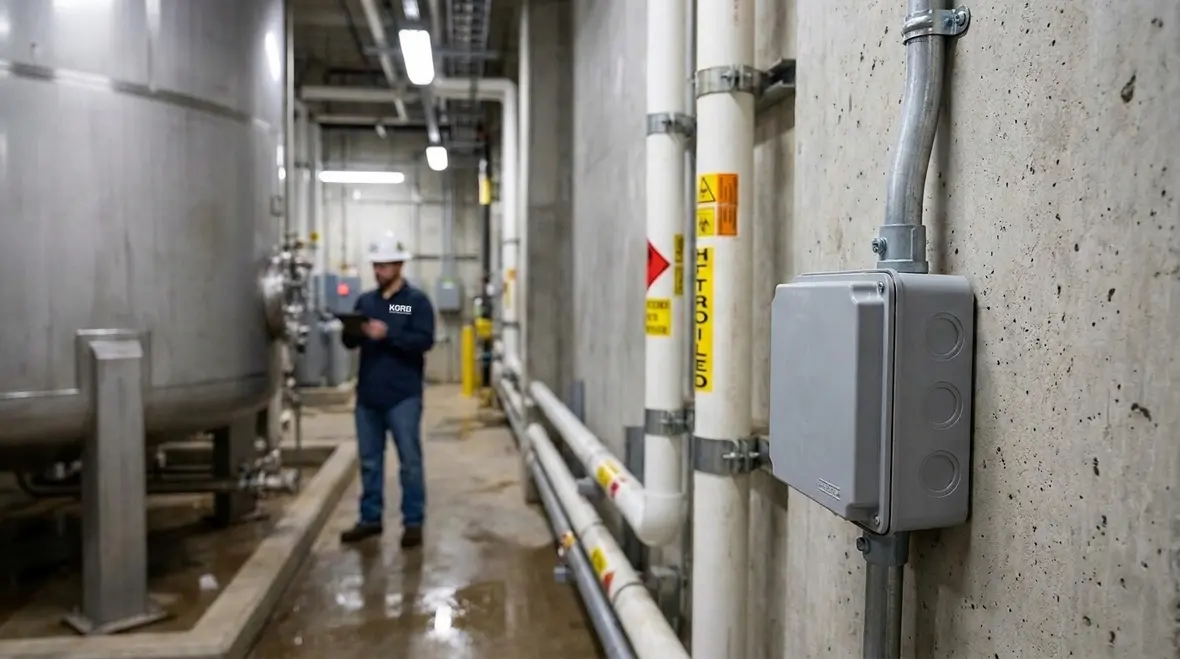
NFPA 30 Section 7.1 Scope: Electrical Systems in Liquid Areas
Quick Answer
NFPA 30 Section 7.1 sets safety expectations for electrical systems located in or serving liquid areas. It focuses on preventing ignition sources from wiring, devices, and equipment in environments where flammable vapors may be present. Compliance depends on classification, installation quality, and ongoing maintenance.
If your facility is tightening broader flammable liquid compliance controls, it also helps to review Kord Fire’s NFPA 30 flammable and combustible liquids guide for context on classification, storage decisions, and how liquid hazards shape protection requirements. ([kordfire.com](https://kordfire.com/nfpa-30-flammable-and-combustible-liquids-guide/?utm_source=openai))
Why NFPA 30 Section 7.1 scope matters in real facilities
Commercial, industrial, and retail facilities handle flammable and combustible liquids in transfer, storage, processing, and dispensing operations. Electrical equipment in these liquid areas can become an ignition source if it is incorrectly selected, improperly installed, or poorly maintained. That is the core purpose behind the NFPA 30 Section 7.1 scope electrical systems liquids requirement: it reduces the likelihood that normal electrical operation, abnormal conditions, or mechanical damage will release energy capable of igniting flammable vapor air mixtures.
In practice, compliance teams often face the same operational pressure points: equipment changes during maintenance, incomplete asset lists for electrical components, and inconsistent verification that devices remain properly sealed and protected after inspections or repairs. A strong compliance program treats Section 7.1 as a lifecycle requirement, not a one-time install standard.
What the “liquid area” concept drives
NFPA 30 Section 7.1 scope electrical systems liquids is not limited to obvious locations like tanks and fill points. It also captures electrical systems that are in areas where liquid handling creates the potential for vapor generation. That means the electrical hazard management process must align with how vapors form during normal operations and foreseeable upset conditions such as spills, leaks, and maintenance activities.
Common liquid area scenarios that trigger electrical scrutiny
- Transfer stations where hoses, pumps, and manifolds generate vapor escape during connection and disconnection
- Area around vents, pressure relief discharge routes, and open sumps
- Drain and spill containment zones where liquids can accumulate temporarily
- Metering, dosing, blending, and processing equipment enclosures
- Dispensing islands where evaporation increases during fueling and while equipment remains energized
How facilities typically map “where electricity meets vapor”
Facilities usually accomplish this by combining site process knowledge with an area identification workflow. The workflow should identify liquid sources, expected release rates, operating schedules, and how ventilation controls reduce or fail to reduce vapor concentration. The output becomes a foundation for selecting electrical equipment and for verifying that installation work does not change the hazard condition.
Key compliance expectations for electrical systems serving liquid areas
Section 7.1 focuses on ensuring electrical systems do not introduce ignition sources in liquid areas. The compliance approach typically requires three operational pillars: proper equipment selection, correct installation, and effective maintenance.
1) Proper equipment selection for the intended hazard
Electrical equipment must be appropriate for the environment created by flammable liquids and their vapors. In many facilities, the practical challenge is that electrical assets were selected for “one condition” during original installation, then later modified during upgrades. Examples include replacing a junction box, switching a motor, changing controls, or adding a convenience receptacle without re validating hazardous area requirements.
To reduce this risk, the equipment inventory should identify device types such as:
- Motors, starters, and drives serving pumps and mixers
- Lighting fixtures located near vents, fill points, or spill containment
- Switches, junction boxes, and pull boxes
- Conduit systems and fittings, including sealing requirements
- Wiring methods and cable entries into enclosures
- Electrical control panels and instrumentation located within impacted zones
2) Installation quality that prevents ignition by design flaws
Even when equipment is correctly rated at purchase time, improper installation can defeat the protection strategy. Common failure points include loose covers, missing gaskets, incorrect conduit sealing, damaged cable insulation, and improper routing that defeats separation distances and enclosure integrity.
Facilities typically need installation verification that includes:
- Physical inspection of enclosures, covers, and fasteners in all locations identified as liquid areas
- Verification of wiring integrity including termination condition and cable support
- Confirmation that conduit routes and fittings maintain required protective characteristics
- Review of any modifications to ensure they align with the original hazardous location protection intent
3) Maintenance that preserves electrical protection over time
Electrical systems in liquid areas degrade through use. Vibration loosens components, corrosion attacks fittings, and work orders can introduce unverified temporary repairs. A defensible maintenance program should require inspection and documentation at an interval consistent with facility risk and the manufacturer’s instructions.
Commercial sites often underperform in maintenance control due to:
- Inconsistent post job verification after electrical work, especially after cable pulls or junction changes
- Delayed replacement of damaged enclosures or non compliant conduit seals
- Missing records that prevent repeat discovery of the same defect type
- Inspections that focus only on visible damage, not on protection integrity
Operational procedures that prevent ignition during day to day work
Electrical compliance cannot be separated from operating practices. Many ignition scenarios arise during normal tasks such as hose connection, pump shutdown, or routine troubleshooting when covers may be removed or when equipment is temporarily bypassed.
Work practices that keep electrical protections intact
- Require permit controlled maintenance access for electrical work inside liquid areas
- Prohibit “like for like guessing” by enforcing documented device replacement procedures
- Ensure panels and enclosures remain closed and latched after testing and re commissioning
- Control temporary lighting and temporary power connections by confirming they are compatible with the hazard environment
- Train technicians on the purpose of seals, gaskets, and protective methods so they do not treat them as optional components
Common failure scenario walkthroughs
Real world events frequently include:
- Improper enclosure restoration after troubleshooting: a technician completes testing and leaves a compromised gasket or cover misaligned, enabling vapor ingress and loss of environmental protection.
- Undocumented equipment swaps: a like appearance replacement installed without verifying rated protection method, temperature limits, or sealing compatibility.
- Conduit and fitting damage: impact during material handling causes subtle cracks or loosened couplings that become ignition enabling faults over time.
- Corrosion driven deterioration: protective coatings fail, leading to enclosure corrosion and loss of mechanical integrity.
Inspection and verification: what to document and why
Inspections for NFPA 30 Section 7.1 scope electrical systems liquids should connect visible conditions to ignition risk. Strong documentation supports audit readiness, demonstrates due diligence, and shortens troubleshooting because defects are trended rather than rediscovered.
Inspection components that typically matter most
- Evidence of intact enclosures, gaskets, and covers
- Condition of conduit systems, fittings, and routing that preserves protective separation
- Wiring termination condition, including signs of overheating, looseness, or insulation damage
- Verification that devices used in liquid areas match original rated intent after any change
- Assessment of any field modifications, including cable entries and seals
How Kord Fire Protection supports ongoing compliance
Kord Fire Protection helps commercial and industrial facilities maintain defensible compliance by supporting electrical system review and fire safety coordination across liquid handling operations. Service programs typically include site walkthroughs, documentation review, defect identification, and actionable recommendations that align with how facilities actually operate between shutdowns and service cycles.
For organizations that also need broader commercial support, Kord Fire offers fire protection services in Southern California, including inspections, repairs, installations, and emergency support. ([kordfire.com](https://kordfire.com/fire-protection-services-southern-california/?utm_source=openai))
For facilities looking to connect electrical safety to broader liquid fire risk controls, Kord Fire Protection also supports understanding of how flammable liquids are regulated across storage and handling contexts. See how NFPA 30 regulates flammable liquids for practical background on how the standard’s scope ties into fire protection design and risk management. ([kordfire.com](https://kordfire.com/how-nfpa-30-regulates-flammable-liquids/?utm_source=openai))
Frequently Asked Questions
Get your liquid area electrical compliance reviewed
Schedule a practical review of your liquid area electrical systems to confirm equipment selection, installation integrity, and maintenance readiness. Kord Fire Protection can help you identify risk points before they become ignition hazards and build an inspection and change control approach suited to commercial operations. Contact Kord Fire Protection today to align your NFPA 30 Section 7.1 scope electrical systems liquids program with real world work practices and audit expectations.

Join Our Newsletter!
Get the latest fire safety tips delivered straight to your inbox From our Newsletter.



