
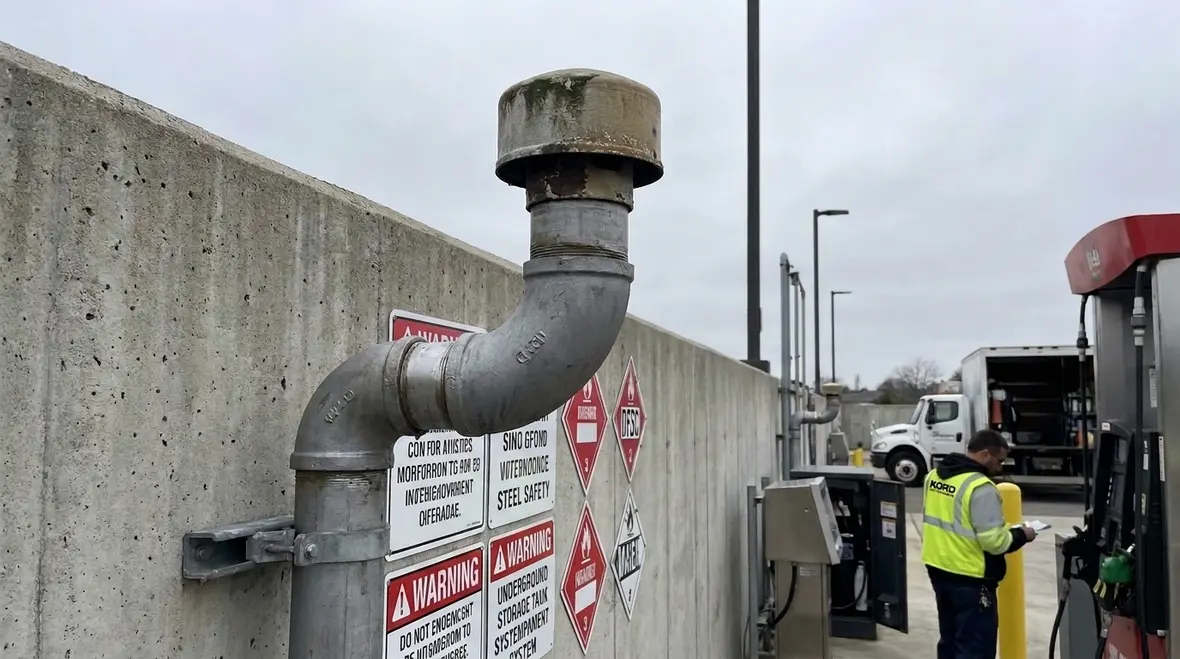
NFPA 30 Section 23.6 UST Normal Venting: What Compliance Looks Like in the Real World
Quick Answer: NFPA 30 Section 23.6 UST normal venting sets the requirements for how underground storage tank (UST) vent systems are arranged and maintained so flammable vapors can move safely during normal operating conditions. Compliance centers on correct routing, pressure management, and reliable protection against obstructions.
Why NFPA 30 Section 23.6 UST normal venting matters for commercial sites
NFPA 30 Section 23.6 UST normal venting addresses a core hazard in flammable liquid storage: uncontrolled vapor pressure and vapor release. For commercial, industrial, and retail facilities, normal venting is not a theoretical concept. It impacts tank breathing during deliveries, product withdrawal, temperature fluctuations, and routine operations at fuel dispensing or chemical handling areas.
Misconfigured or degraded venting components can lead to abnormal internal pressures, vapor migration through unintended pathways, or an inability to vent safely. This creates risk for personnel, property, and operations downtime. It also drives compliance failures during audits because venting systems are often overlooked until a problem appears.
What “normal venting” means under NFPA 30
Within NFPA 30 Section 23.6, “normal venting” focuses on maintaining appropriate vapor movement for UST systems during standard, expected conditions. The design intent is to let the tank breathe while preventing ignition sources and preventing venting arrangements from becoming a pathway for fire and vapor hazards.
Operational scenarios that test normal venting
- Deliveries and refilling:
Incoming liquid displaces tank vapor. The vent system must carry that vapor safely without excessive pressure buildup.
- Dispensing withdrawals:
Product removal creates a demand for vapor replacement. The vent system must allow venting in a controlled manner.
- Temperature swings:
Daily and seasonal temperature changes cause vapor expansion and contraction, requiring predictable vent response.
- Maintenance and service activities:
Temporary component changes, cap replacements, or damaged piping can inadvertently defeat the venting function.
How to assess NFPA 30 Section 23.6 UST normal venting in the field
Compliance is proven through evidence: correct configuration, verified vent functionality, and documented maintenance. Facility teams typically focus on the tank and piping, but the vent system determines whether vapors move as intended during normal conditions.
For facilities tightening their broader inspection readiness, Kord Fire Protection also offers support around fire protection compliance auditing, which fits naturally alongside venting verification and corrective action tracking.
Key verification points during inspections
- Vent routing and termination:
Vent lines must follow the approved arrangement and terminate as required by code and applicable standards. Check for improper extensions, obstructions, or misrouting that can collect condensation or debris.
- Physical protection:
Vent openings are vulnerable to damage from vehicles, landscaping, construction access, or routine cleaning activities. Verify that vent terminations remain unobstructed and properly guarded where required.
- Hose, cap, and fitting integrity:
Missing or damaged vent caps, incorrect gaskets, or loose fittings can alter vent performance and create pathways for vapor release. Small defects often create large risk.
- Free airflow and obstruction control:
Vent systems fail when they clog or become restricted. Inspect for signs of corrosion, insect activity, dirt intrusion, or liquid carryover.
- Vent valve or regulator condition, if installed:
Where pressure or flow control devices exist, they must respond correctly. Sticking components and incorrect installation are common failure points after maintenance.
Common failure points commercial teams encounter
- Condensate accumulation:
Vent piping run configurations may trap liquid. When the liquid restricts airflow, the tank may not vent properly during deliveries or temperature rise.
- Improper modifications:
Contractors may add temporary fittings, replace parts with non matching components, or route vent lines for convenience. These changes can defeat the designed vent response.
- Corrosion and scale:
Internal and external corrosion can reduce effective vent capacity, especially in coastal or high humidity environments.
- Vegetation and debris intrusion:
Sites with landscaping or frequent deliveries may experience vent termination obstruction from mulch, leaves, or packaging waste.
For operational context on how NFPA 30 regulates flammable liquids across storage and handling systems, facility teams often benefit from pairing venting compliance with broader hazard understanding. A useful reference is: How NFPA 30 regulates flammable liquids.
What maintenance and testing programs should include
A credible NFPA 30 Section 23.6 UST normal venting compliance program ties inspections to ongoing performance. Venting systems do not fail instantly. They drift out of specification due to corrosion, obstruction, incorrect parts, or gradual mechanical degradation.
Best practice maintenance steps
- Schedule inspection intervals:
Align inspection frequency with local risk factors such as traffic exposure, weather patterns, tank age, and recent construction activities.
- Document physical condition:
Record visible defects including damage to vent termination, missing caps, corrosion, and signs of liquid carryover.
- Verify functional response:
Where applicable, confirm venting devices respond correctly during controlled operating conditions, following site procedures and applicable standards.
- Confirm parts compatibility after service:
Any replacement or refurbishment must use correct components and installation practices. Keep delivery and service records to support compliance history.
- Maintain clear access and housekeeping:
Vent terminations require reliable clearance. Assign responsibility for ongoing housekeeping during peak retail or industrial operations.
Inspection evidence that reduces audit risk
Commercial auditors typically look for consistency, traceability, and proper corrective actions. That means maintenance records that show what was inspected, what was found, the actions taken, and when follow up was completed. Kord Fire Protection supports facilities by helping build and maintain defensible documentation trails through structured compliance services, testing coordination, and ongoing maintenance support.
How venting compliance affects daily operations and contractor work
Vent systems interact with site workflow, including deliveries, tanker access, pump operations, and maintenance windows. Compliance problems often begin when operations and contractors do not coordinate around UST venting requirements.
Deliveries and dispensing operations
- Delivery impact:
During filling, displacement vapor must move through the designed vent path. If the vent system cannot vent normally, pressure can rise and create shutdown events or safety hazards.
- Dispensing impact:
During withdrawals, restricted venting can increase vacuum conditions or disrupt stable tank breathing behavior.
- Change management:
If a site changes brand product, modifies dispensing equipment, or alters operating parameters, venting condition should be re verified.
Contractor coordination that prevents venting drift
When contractors perform repairs, the site should require a documented method statement for work that touches vent piping, terminations, or associated fittings. The facility should also verify component part numbers and compatibility before installation. This reduces the most frequent root cause: incorrect modifications that satisfy “fit and function” in the short term but fail long term vent performance.
Why partner support matters: compliance, testing, and ongoing protection
Many facilities can identify visible vent defects, but NFPA 30 Section 23.6 UST normal venting compliance also depends on maintaining reliable performance over time. That includes controlled inspection intervals, prompt corrective actions, and correct restoration after service.
Kord Fire Protection provides commercial-focused support for UST safety compliance in environments where operational continuity matters. The goal is straightforward: reduce the likelihood of venting failures, strengthen audit outcomes, and keep flammable liquid operations safer and more predictable.
Frequently Asked Questions
Next step: verify and document your UST normal venting compliance
NFPA 30 Section 23.6 UST normal venting compliance succeeds when vent performance stays reliable and the site can prove it. Facilities should review vent termination condition, confirm there are no restrictions or incorrect modifications, and maintain consistent maintenance records. Contact Kord Fire Protection for a practical compliance review, testing support planning, and ongoing maintenance assistance to reduce audit risk and improve operational safety.

Join Our Newsletter!
Get the latest fire safety tips delivered straight to your inbox From our Newsletter.



