
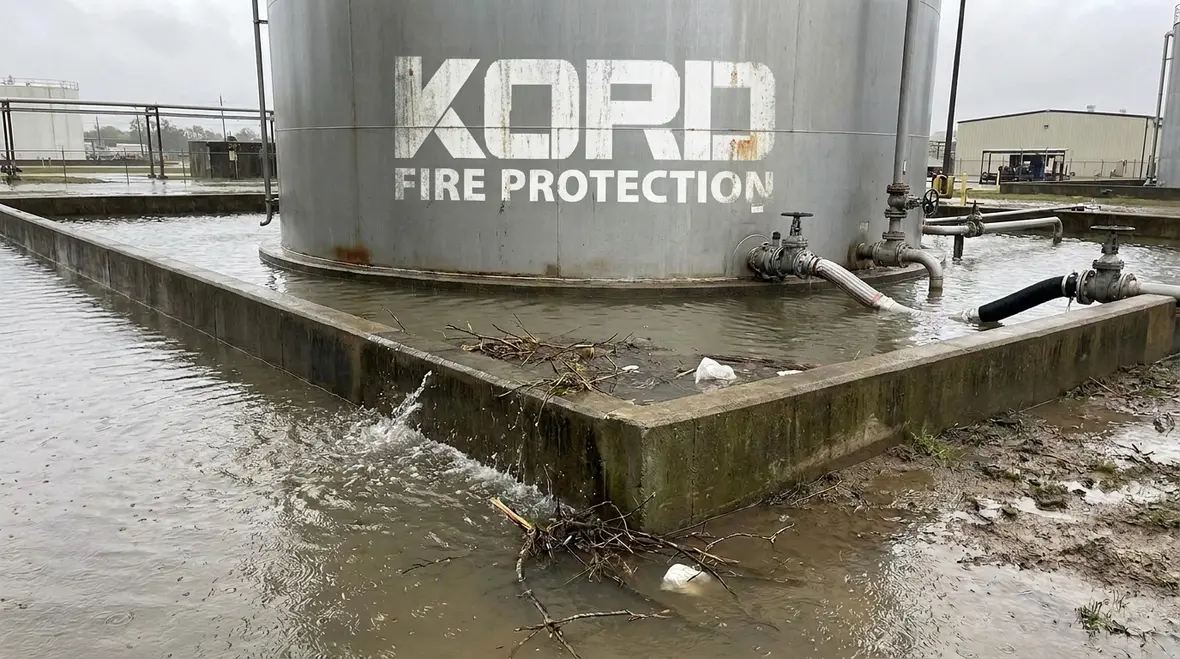
NFPA 30 Section 22.14: Aboveground Tanks in Flood-Subject Areas
Quick Answer
NFPA 30 Section 22.14 sets performance focused requirements for aboveground storage tanks located in flood-prone areas. It drives decisions on tank anchorage, piping flexibility, electrical and venting controls, spill containment, and inspection frequency so tanks remain safe and controllable during and after flooding.
What NFPA 30 Section 22.14 is trying to prevent
NFPA 30 Section 22.14 addresses a practical risk pattern seen across industrial, commercial, and retail sites. Flood events elevate buoyancy, scour tank foundations, and move debris into containment and pipe racks. Those conditions can damage tank supports, overload piping, compromise vent and relief discharge paths, and degrade containment performance.
For operators managing NFPA 30 Section 22.14 ASTs flood subject areas, the intent is not simply “survive the flood.” The intent is to maintain hazard control. Tanks should not shift, float, rupture, or create uncontrolled releases, and systems that protect personnel and property must remain functional or be safely shut down.
How compliance is typically verified during an audit
Commercial facilities often expect compliance to be a paperwork exercise. In flood-subject tank scenarios, inspectors and insurers expect demonstrable control over physical features and maintenance practices. Audits commonly focus on the following:
Tank siting and anchorage design basis aligned with the flooding mechanism for the site, including buoyancy and foundation stability.
Condition and integrity of foundations, anchor systems, and supports that prevent vertical and lateral movement during floodwater rise and recession.
Piping and hose connections that accommodate movement without stressing joints, valves, or fittings.
Vents, relief devices, and discharge routing remaining clear and unobstructed by flood debris or water level changes.
Spill containment performance including control of runoff and confirmation that containment does not become overwhelmed or bypassed.
Electrical equipment protection to reduce ignition and control failures during wet conditions.
Because these controls require ongoing attention, operators usually need a formal inspection schedule tied to NFPA 30 expectations and site risk. Kord Fire Protection supports this through documentation-ready inspection programs and corrective maintenance coordination. For broader system planning, special hazard fire suppression services can fit naturally into a site’s wider protection strategy. ([kordfire.com.au](https://kordfire.com.au/fire-suppression-systems/?utm_source=openai))
Key operational requirements for tanks in flood-subject areas
NFPA 30 Section 22.14 ASTs flood subject areas requirements tend to become operational in three ways: preventing tank displacement, keeping transfer and venting paths safe, and ensuring containment remains effective. The following are the common compliance hotspots that drive failure during real events.
1) Anchorage, foundations, and movement control
Floodwater introduces buoyant forces that can lift an aboveground tank if anchorage and foundation design do not account for the expected water depth and duration. Inspectors look for:
Corrosion, loose anchors, and damaged base plates that reduce anchorage capacity.
Evidence of settlement or rotation that changes stress loads on the tank and piping.
Grounding and support adjustments that were made after construction and may not match the original design intent.
When facilities defer base inspections, they frequently discover post flood that corrosion progressed faster than expected in splash zones and under support members.
2) Piping flexibility and release control
Flooding does not only act on the tank. It changes alignment and imposes movement on pipe racks, valves, and flexible connectors. Common failure points include:
Stressed elbows and rigid runs that crack or leak when the tank shifts slightly.
Valves that bind due to debris ingress or misalignment after movement.
Breakaway and support systems missing or altered during maintenance.
Strong compliance programs ensure piping support inspections are scheduled, not event driven. After any major maintenance, facilities should verify that flexible elements and supports still perform as designed.
3) Vents, relief devices, and discharge routing
During flooding, vent outlets and relief discharge paths can become partially blocked by waterborne debris, or effectively rerouted if discharge piping is damaged. Inspectors evaluate:
Clearance of vent termination against flood level and obstructions.
Relief discharge piping condition for cracks, disconnections, or corrosion.
Absence of modifications that reduce discharge effectiveness.
These checks protect against pressure control failures and help maintain predictable response during abnormal conditions.
4) Containment, control of runoff, and cleanup readiness
Containment basins and curbing controls can fail if floodwater pushes debris into drainage points or if containment volume becomes insufficient for anticipated runoff. Facilities often improve compliance by:
Verifying drain valves and sumps are protected and functional.
Confirming there is no routine bypass pathway during wet weather conditions.
Maintaining cleanup access so responders can isolate and recover product without unsafe reach or vehicle entry into contaminated zones.
Practical readiness includes ensuring that absorbent systems, booms, and barriers are located where they remain accessible under emergency access constraints.
5) Electrical and ignition source controls
Flood-subject areas create a wet environment where electrical enclosures, cable glands, and controls may degrade. Compliance attention typically includes:
Weatherproofing and ingress protection for tank level indication, pumps, and instrumentation.
Integrity of junction boxes and cable pathways where cables run through splash and submerged zones.
Functional testing of shutdown and monitoring circuits after repairs or seasonal risk changes.
Facilities also benefit from linking flood risk reviews with routine hazardous area assessments, because equipment condition often changes faster in corrosive and water affected environments.
Common commercial failure points that show up after floods
Even well managed sites can experience non conformance if flood risk reviews are not integrated into normal maintenance and inspection cycles. The most common issues include:
Deferred corrosion inspection on tank support members and anchor components, where damage accelerates in splash zones.
Piping modifications without updated support checks, especially after temporary works, reroutes, or vendor replacements.
Relief discharge routing changes during construction or cable tray installation that inadvertently blocks discharge paths.
Containment drainage upgrades that were not coordinated with floodwater behavior, causing unintended bypass or overtopping.
Instrumentation and shutdown failures due to wet electrical exposure, poor sealing, or non documented repairs.
These are avoidable when a site uses a structured compliance lifecycle. Kord Fire Protection helps operators align documentation, inspection scope, and corrective actions so the facility can demonstrate control, not just intent.
For broader context on flammable liquid regulation and how code drives safety strategies, see how NFPA 30 regulates flammable liquids. ([kordfire.com](https://kordfire.com/how-nfpa-30-regulates-flammable-liquids/?utm_source=openai))
Maintenance and inspection approach that stands up in real inspections
NFPA 30 Section 22.14 requirements become most effective when the facility uses repeatable checks that match flood risk. A strong program typically includes:
Establish a flood risk specific inspection plan
Operators should map tank areas to likely flood behavior. Then they assign inspection priorities based on consequence. High consequence elements include anchorage, pipe supports, vent and relief components, containment drainage, and electrical control integrity.
Document baseline condition, then control change
Facilities should maintain baseline photos, thickness measurements where applicable, and as built verification for critical components. Any change in piping routing, cable trays, valves, or discharge lines should trigger a re check against the flood subject configuration.
Perform functional checks and post maintenance verification
For many sites, the highest risk period is not the flood event. It is the period after maintenance, modifications, or equipment swaps. Post work verification should include:
confirming flexible connections remain correctly positioned and supported
verifying discharge paths remain unobstructed
testing shutdown and monitoring functions where applicable
re checking containment access and drainage controls
Use a commercial service partner for ongoing compliance
Commercial and industrial sites require more than one time inspections. They require consistent reporting, corrective action tracking, and coordination across maintenance, operations, and contractors. Kord Fire Protection operates as that ongoing partner for facilities that need compliance support you can audit, not just assessments you file.
More about the service capabilities and local compliance support can be found at kordfire.com.au. ([kordfire.com.au](https://kordfire.com.au/?utm_source=openai))
Frequently Asked Questions
Conclusion and next step
NFPA 30 Section 22.14 ASTs flood subject areas compliance requires a practical, risk based approach that links anchorage, piping movement control, vent and relief discharge safety, containment effectiveness, and electrical resilience. Kord Fire Protection can help commercial facilities verify critical components, document findings, and plan corrective actions before an event exposes weaknesses. Contact Kord Fire Protection to review your aboveground tank flood readiness and build an inspection and maintenance plan you can stand behind.

Join Our Newsletter!
Get the latest fire safety tips delivered straight to your inbox From our Newsletter.



