
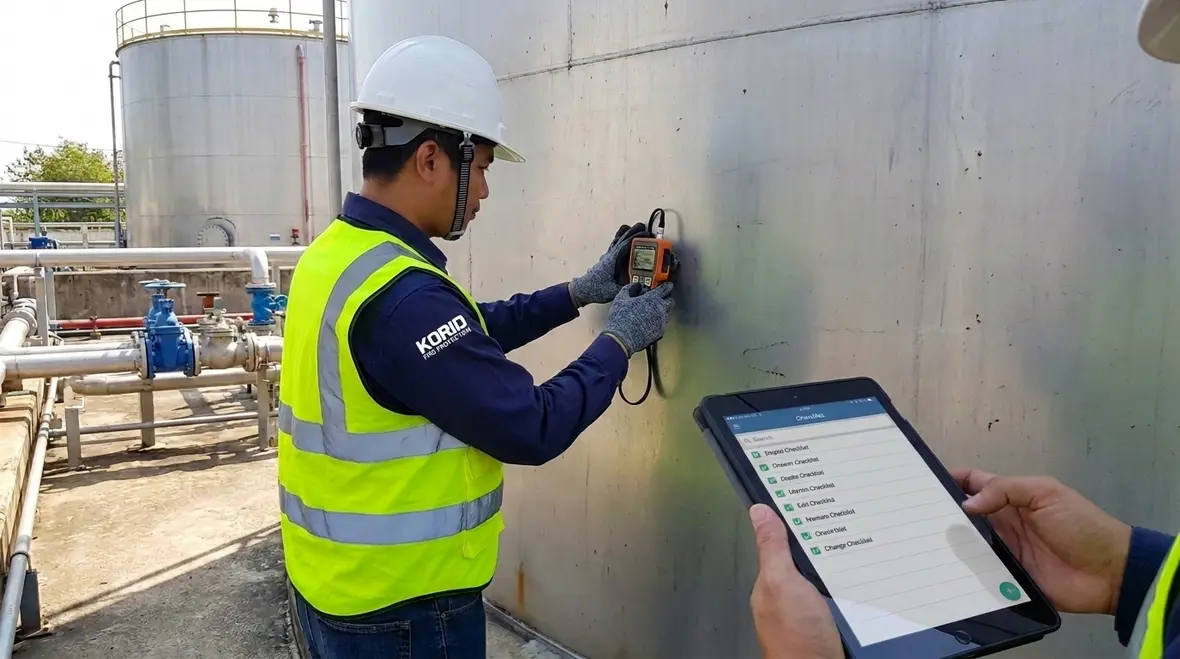
NFPA 30 Section 21.5 Tank Testing Requirements: What Commercial Facilities Must Do
Quick Answer
NFPA 30 Section 21.5 tank testing requirements focus on when and how storage tanks are tested to confirm integrity, prevent release, and maintain compliance. These rules drive scheduled inspection, appropriate test methods, documentation, and remediation when results show defects or deterioration.
Why NFPA 30 Section 21.5 tank testing requirements matter in real operations
Commercial, industrial, and retail facilities that store flammable and combustible liquids rely on storage tanks that behave predictably under normal operating, start up, and upset conditions. NFPA 30 Section 21.5 tank testing requirements exist to reduce the probability of leaks, fire exposure escalation, and environmental damage by verifying tank condition through defined testing intervals and acceptance expectations. In practice, facilities fail compliance most often not because they skip testing entirely, but because testing is incomplete, documentation is weak, test methods do not match the tank type and service, or maintenance closures do not address identified failure mechanisms.
For facilities reviewing broader flammable liquid safeguards, it also helps to look at Kord Fire Protection’s guidance on how NFPA 30 regulates flammable liquids. Facilities managing larger hazard profiles may also benefit from Kord Fire Protection’s commercial fire suppression systems and services for broader system planning and compliance support.
What Section 21.5 expects: testing, integrity verification, and traceable evidence
NFPA 30’s approach to tank testing centers on confirming that the tank remains structurally sound, corrosion controlled, and fit for continued service. Section 21.5 typically drives three linked obligations:
- Define the applicable test scope based on tank type, configuration, location, and the hazardous liquid service.
- Perform testing using appropriate methods that can detect relevant degradation mechanisms such as corrosion, deformation, loss of wall thickness, and other conditions that increase release risk.
- Maintain records that show what was tested, when it occurred, the conditions at the time of testing, results, and what corrective actions followed.
Operationally, these requirements become a governance issue. Facilities need a tank asset register, a testing calendar, and a controlled work process that links test results to repair scope approval and return to service criteria. Without that governance, testing becomes an isolated event rather than part of a lifecycle integrity program.
How testing is implemented on site: procedures, equipment, and failure points
1) Pre test readiness: the most common scheduling failure
Testing readiness is where many commercial sites lose time and compliance. Typical pre test steps include isolating the tank, ensuring safe conditions for personnel, and verifying that the tank can be accessed and measured accurately. Operational constraints often include production downtime windows, maintenance staffing availability, and the need to manage residual product and vapors safely.
A practical readiness checklist typically covers:
- Tank identification, service history, and prior inspection or test results.
- Isolation and safety controls, including verification of gas testing and ventilation where required.
- Measurement access points for gauges, manways, coatings inspection, and structural verification.
- Calibrated instruments and documented calibration status for test equipment.
When pre test readiness is rushed, test data can become unreliable because access is partial, instruments are not calibrated, or the tank internal condition is not understood. NFPA 30 compliance relies on credible outcomes, not just completed paperwork.
2) Test methods: matching the right tool to the degradation mechanism
Tank testing methods vary based on tank construction, lining or coating systems, and expected degradation modes. Common mechanisms include corrosion under insulation, microbial influences where applicable, water ingress at seals and appurtenances, and coating breakdown that accelerates metal loss.
Well run testing programs select methods that can detect the hazards relevant to the specific tank asset, such as:
- Surface and coating condition checks to identify breakdown that can lead to corrosion.
- Thickness and integrity verification to confirm remaining wall capacity.
- Leak related checks to confirm gasket and penetration performance, where applicable.
Commercial facilities should expect tank testing to include a defined acceptance criteria process. If results fall outside expected limits, the program must specify remediation steps rather than allowing continued operation with unresolved defects.
3) Post test closure: corrective actions and return to service
Post test closure requires more than “repair and sign off.” It includes:
- Documenting test results and anomalies with clear locations and severity.
- Identifying whether the defect is active, worsening, or stable based on historical evidence.
- Planning repairs that address the root cause, not just symptoms.
- Verifying the tank is returned to service only after closure actions meet the required standards.
In the field, common failure points include incorrect repair scope selection, insufficient coating or lining reinstatement quality, missing re testing after repairs, and inadequate record updates in the tank integrity file.
Compliance challenges for commercial and retail sites: keeping systems audit ready
Commercial facilities often face three practical barriers to meeting NFPA 30 tank testing expectations consistently:
- Work sequencing across departments: tank testing frequently requires coordination between operations, maintenance, safety, and contractors. Poor scheduling creates rushed test execution and incomplete verification.
- Asset tracking and documentation gaps: facilities inherit older tank records, incomplete histories, or inconsistent naming conventions across drawings, work orders, and inspection reports.
- Appurtenance neglect: tests focus on the tank shell, but valves, seals, sumps, overfill devices, and penetrations can drive release risk if they are not aligned with the tank testing outcomes.
To remain audit ready, sites should establish a single integrity management file for each tank, including certificates, prior test reports, repair records, and the current testing scope under NFPA 30. This reduces friction during regulatory engagement and internal safety audits.
Best practices that operationalize NFPA 30 Section 21.5 tank testing requirements
Facilities that perform consistently against NFPA 30 Section 21.5 tank testing requirements typically build a repeatable program. The following practices help reduce operational risk and compliance drift:
- Maintain a tank register with critical attributes: tank type, service, location, last test date, next due date, coating or lining details, and historical issues.
- Use a controlled testing plan: document test boundaries, acceptance criteria, instrumentation, and safety preparation steps.
- Link testing outcomes to maintenance workflows: ensure corrective actions receive engineering review and a closure verification method.
- Schedule downtime proactively: protect testing windows in advance to avoid partial access, low quality data, and delayed repairs.
- Strengthen contractor interfaces: require evidence of calibration, method compatibility, and complete reporting formats.
Kord Fire Protection supports commercial sites by coordinating compliance focused testing and maintenance support, helping teams keep tank integrity programs organized, traceable, and aligned with regulatory expectations. This includes helping facilities prepare documentation packages that withstand internal and external review, and supporting ongoing safeguard maintenance to maintain a consistent compliance posture.
Frequently Asked Questions
Get tank testing support that stays audit ready
Commercial facilities can reduce compliance risk by building a structured tank testing calendar, ensuring methods match tank service and condition, and maintaining complete traceable documentation. Kord Fire Protection helps coordinate testing focused support and ongoing maintenance planning so teams can meet NFPA 30 expectations confidently. Contact Kord Fire Protection today to review your tank testing program, documentation status, and next testing cycle.

Join Our Newsletter!
Get the latest fire safety tips delivered straight to your inbox From our Newsletter.



