NFPA 291 Section 5.2 Fire Hydrant Marking Requirements
Quick Answer: NFPA 291 Section 5.2 sets the standard for marking fire hydrants by flow capacity so first responders can see available water supply fast. In practice, proper color coding, clear identification, and accurate testing help industrial, retail, commercial, and facility sites across Australia reduce risk, support compliance, and avoid costly guesswork when every second matters.
Fire hydrant marking requirements are not just a nice touch with paint and a label. They tell firefighters how much water a hydrant can deliver, and that can shape an entire response. Under NFPA 291 Section 5.2, hydrants should be marked in a way that reflects flow capacity clearly and consistently. For industrial parks, retail centres, warehouses, and commercial facilities across Australia, that means better readiness, faster decisions, and fewer surprises when the truck rolls in. And yes, it is one of those jobs that looks simple until it is not.
When hydrant testing ties into a broader fire protection program, the work gets much easier to manage. Kord Fire Protection’s full fire protection services page shows how hydrants, inspections, testing, and maintenance fit into one coordinated plan, which is helpful when a site would rather not run life safety systems with crossed fingers and a spreadsheet that has seen things.
What NFPA 291 Section 5.2 Means in Plain English
NFPA 291 gives a practical method for identifying hydrant flow capacity through color coding and visible marking. The goal is simple. Fire crews should know at a glance whether a hydrant can deliver a strong supply or only a limited one. That matters because water supply affects hose choice, attack strategy, and how much area a crew can protect.
In a busy facility, speed counts. Therefore, hydrant markings must do more than look neat on a sunny day. They must remain visible, durable, and easy to understand when conditions turn rough. Rain, dust, traffic, and time all try their best to ruin a clean marking system. The hydrant, however, still has to speak clearly.
The real point of the marking system
The system exists to remove hesitation. A clearly marked hydrant gives first responders immediate context about expected water supply, which helps crews adapt faster. Instead of spending valuable time second guessing output, they can make practical decisions based on visible field information. That is a small detail with very large consequences.
Why Fire Hydrant Marking Requirements Matter for Australian Sites
Across industrial and commercial sites, hydrants often sit near loading docks, plant rooms, car parks, service yards, and boundary roads. Because of that, marking them properly helps site teams and emergency crews find and assess them quickly. It also supports risk reviews, maintenance programs, and compliance planning.
For facilities with high fuel loads, complex layouts, or high visitor traffic, proper marking becomes even more important. A hydrant with strong flow capacity can support a very different response than one with limited output. As a result, the marking should match the tested reality, not a hopeful guess. Hope is fine for game shows. It is less useful in fire protection.
Where confusion usually starts
Confusion usually begins when a site treats hydrant marking as a one time cosmetic job instead of an ongoing part of system management. Paint fades, labels get missed, access changes, and test data ages. Then a hydrant that once told a clear story starts mumbling. Nobody needs that during an emergency.
How Hydrant Colour Coding Works
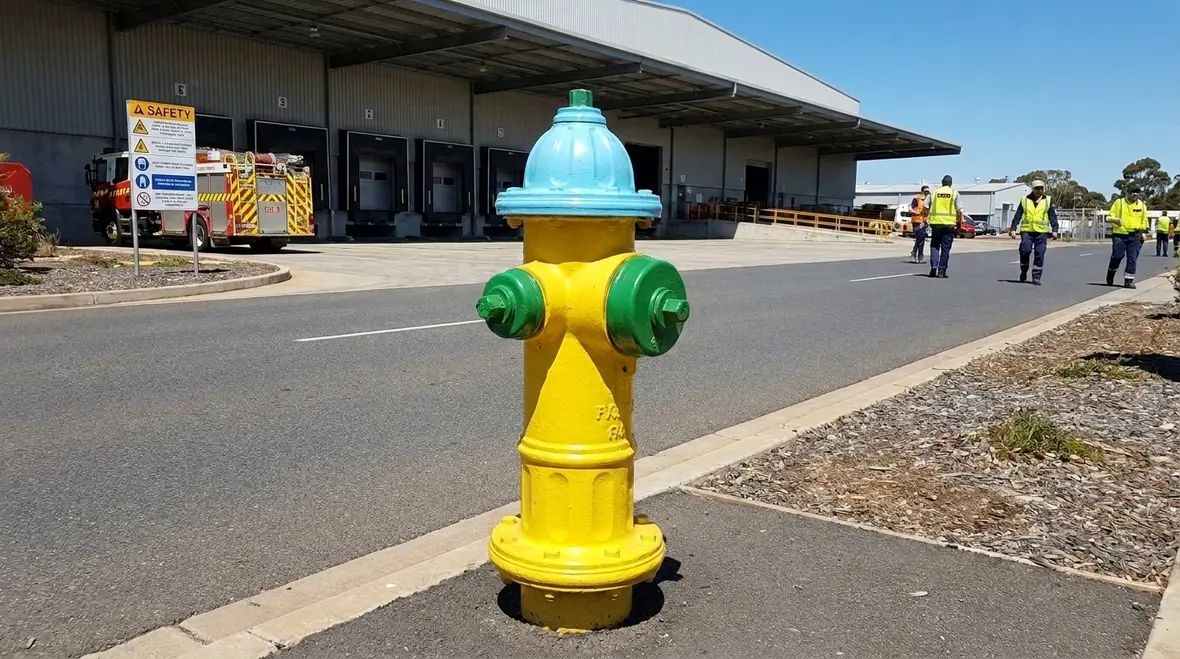
NFPA 291 Section 5.2 uses colour to show flow capacity. The exact scheme helps users quickly judge the hydrant’s available water supply. In simple terms, the higher the flow, the more visible and reassuring the marking should be. The cap and bonnet colours often tell the story, while the base and other site labels help complete the picture.
Here is the practical value: once a hydrant is tested, the measured flow should guide the marking. That means the site team can match the identification to real performance. Then, emergency crews do not have to play detective at the worst possible moment. Nobody wants a mystery box when they need a water source.
Color means nothing without current data
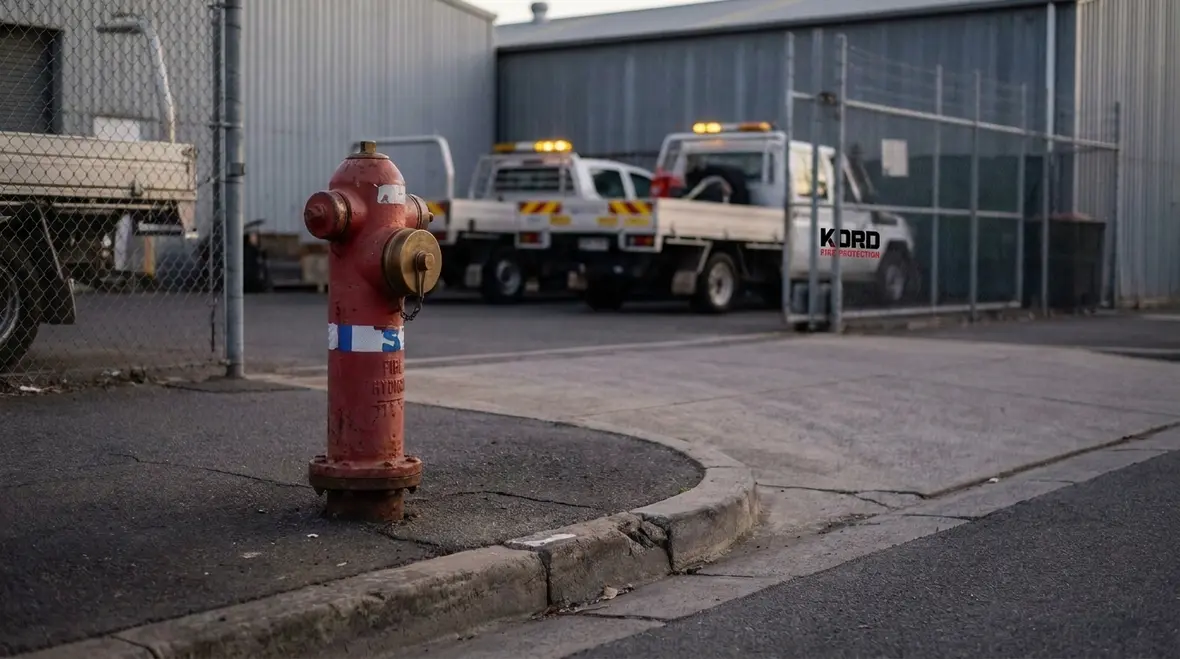
A bright bonnet does not prove a strong hydrant any more than a polished forklift proves the warehouse is organised. The color only means something when it reflects current test results. If the flow changed because of a valve issue, supply change, or network upgrade, the marking must change too. Otherwise the site is displaying confidence it has not earned.
For readers who want deeper technical context, Kord Fire Protection already covers the broader testing and identification process in its NFPA 291 fire hydrant testing and marking guide. It pairs well with this topic because marking only makes sense when the underlying test data is solid.
Hydrant Testing, Marking, and Record Keeping
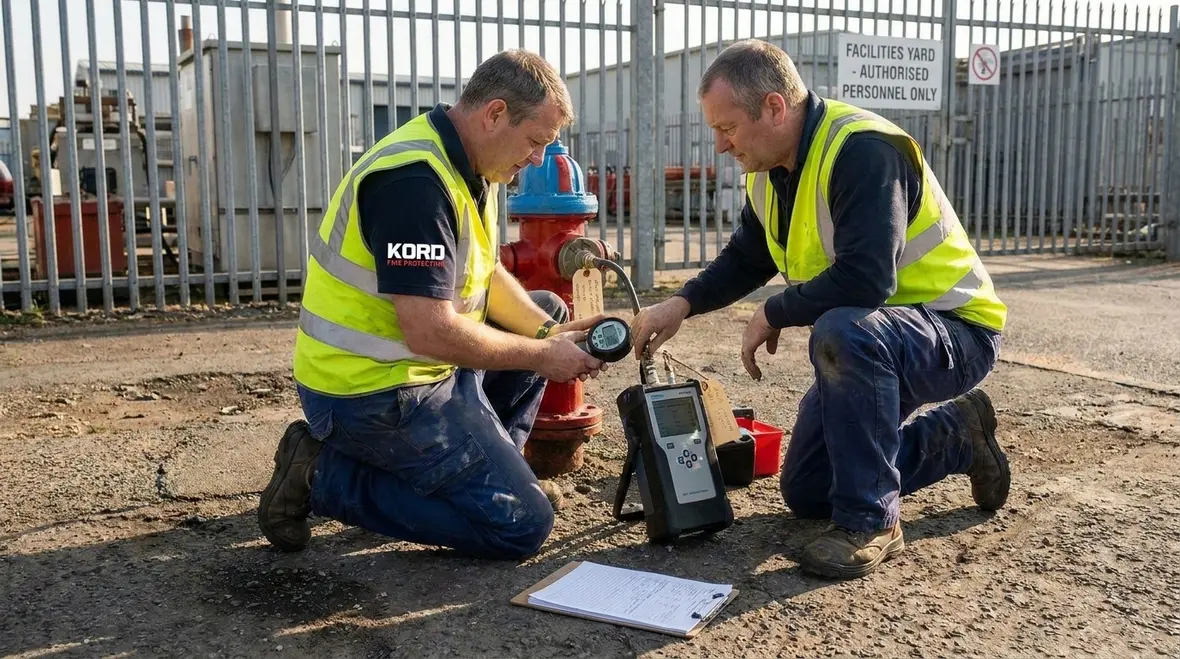
Marking starts with accurate testing. If the flow data is wrong, the colour code is wrong too, and that creates a false sense of security. Therefore, facilities should treat testing and marking as one connected task. First, the hydrant is tested. Next, the result is recorded. Then, the correct marking is applied and maintained.
Good records help site managers track changes over time. For example, pressure changes, network upgrades, valve issues, and water authority work can all affect performance. In turn, updated records help keep the markings honest. In fire protection, honesty is not just polite. It is life safety.
A sensible sequence that actually works
- Test the hydrant and verify flow and pressure data.
- Record the results clearly in site documentation.
- Apply the correct hydrant marking based on those results.
- Inspect the marking over time for fading, damage, or mismatch.
- Update both the field marking and the records after any meaningful change.
Where Kord Fire Protection Fits In
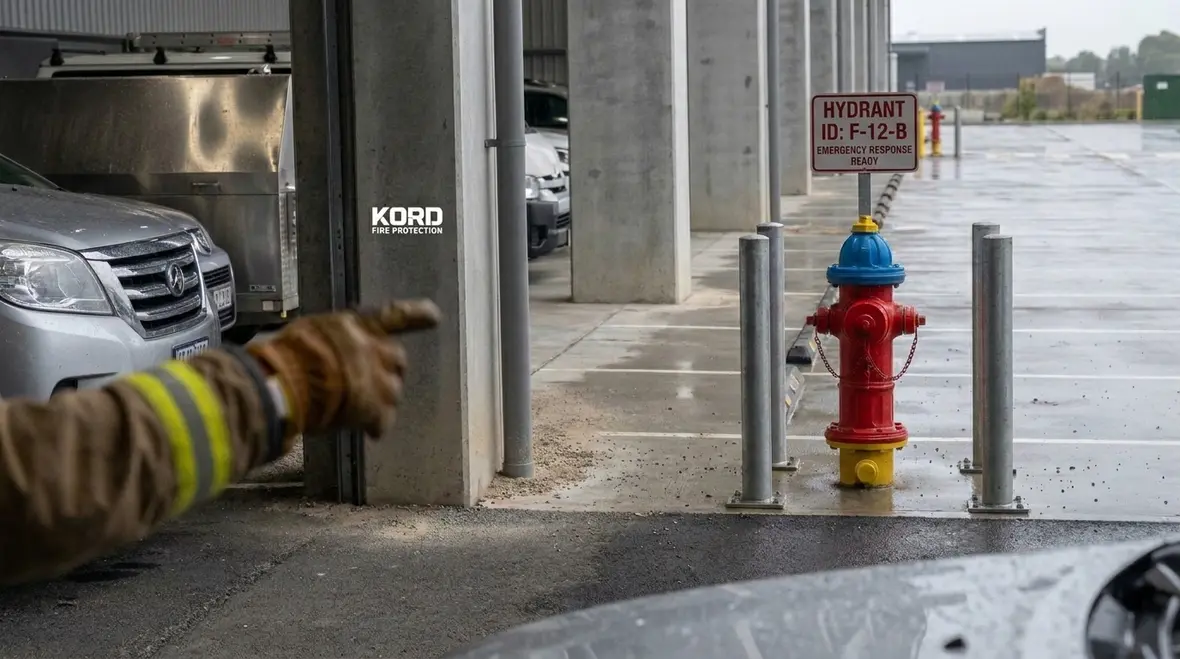
Kord Fire Protection can become a vital partner for this service because hydrant marking is rarely just paint on metal. It sits inside a larger process that includes flow testing, inspection, compliance support, and practical maintenance. That is where a specialist adds real value.
What Kord Fire Protection can help with
- Flow testing and performance checks
- Correct hydrant identification and marking
- Maintenance planning and follow up
- Compliance support for multi site portfolios
Why it matters to the site
- It confirms the hydrant can do the job claimed by the mark.
- It helps emergency crews assess supply without delay.
- It reduces the chance of a bad surprise during an incident.
- It keeps large operations consistent across locations.
With the right partner, site teams do not have to juggle testing, reporting, repainting, and scheduling alone. Instead, they can rely on a coordinated service that keeps hydrants compliant and ready. That is especially useful for facilities spread across multiple Australian locations, where consistency can drift faster than a coffee order at 7 a.m.
Kord Fire’s related content also supports this conversation nicely. Its articles on how fire hydrants work and color meanings and fire hydrant marker requirements give readers more context without sending them on an internet scavenger hunt.
Common Mistakes That Hurt Compliance
Many sites make the same errors. They mark hydrants without current test data. They let the paint fade until the colour tells no story at all. They also forget to update records after plant changes or water network upgrades. Sometimes, they even place hydrant signs where only a contortionist could see them.
To avoid these problems, facilities should review hydrant markings on a schedule, check visibility from access points, and make sure the markings match the latest test results. Moreover, the process should include both the physical hydrant and the site records. One without the other leaves a gap.
Red flags worth fixing quickly
- Outdated flow test data attached to a freshly painted hydrant
- Bonnets or caps with faded colors that are hard to interpret
- Site records that do not match what is visible in the field
- Blocked access, poor signage, or markings hidden by site changes
- No clear ownership for updates after repairs, upgrades, or retesting
What Facility Managers Should Ask For
Facility managers should ask whether hydrants have current flow test results, whether the marking follows NFPA 291 Section 5.2, and whether the site record matches the field condition. They should also ask how often markings are inspected and who is responsible for updates after changes.
For industrial, retail, and commercial operations, this simple review can reveal weak points before an audit or emergency does. Consequently, the site gains stronger readiness and fewer compliance headaches. That is a win without the drama.
A short checklist for smarter conversations
- Do we have current test data for each hydrant?
- Do field markings still match the latest verified flow results?
- Are all markings visible from realistic approach points?
- Have recent site or water supply changes been reflected in records?
- Who owns the update process after testing or repairs?
FAQ
Conclusion
NFPA 291 Section 5.2 gives facilities a clear path to reliable hydrant identification, and proper fire hydrant marking requirements turn that guidance into action. For commercial, industrial, and retail sites across Australia, Kord Fire Protection can help keep testing, marking, and records aligned.
If the goal is stronger compliance and faster emergency response, a specialist partner is worth the call. When markings reflect real performance, crews get better information, facility managers get fewer nasty surprises, and the hydrant finally gets to do its job without any dramatic plot twists.

Join Our Newsletter!
Get the latest fire safety tips delivered straight to your inbox From our Newsletter.