NFPA 25 Annex G Color Coded Tagging for Fire Protection
Quick Answer
NFPA 25 Annex G gives fire protection teams a clear way to mark system problems with color-coded tags. It helps facility managers spot risk fast, plan repairs, and stay on top of inspections. For industrial, retail, and commercial sites across Australia, Kord Fire Protection can support this process with practical tagging, reporting, and repair coordination.
Facilities that need broader support across inspections, testing, alarms, sprinklers, and pumps can also explore full fire protection services to see how tagging fits into a larger compliance strategy.
NFPA 25 Annex G and Why Color Coded Tagging Matters
NFPA 25 Annex G sets out a simple but powerful idea: when fire protection deficiencies show up, they should be easy to see, easy to track, and easy to fix. That is where the NFPA 25 color coded tagging program comes in. Instead of burying issues inside long reports that sit in a folder like a forgotten sequel nobody asked for, the tag system puts the problem where people can actually notice it.
For industrial plants, shopping centres, warehouses, and commercial facilities, that visibility matters. A tagged issue can move quickly from “someone should look at that” to “this needs action now.” As a result, teams can reduce delay, improve compliance, and make better decisions before a small defect turns into a bigger problem. That larger discipline also fits naturally with Kord Fire Protection’s broader guidance on NFPA 25 water-based fire protection systems maintenance, where inspection results only become useful when they lead to visible action.
How the NFPA 25 Color Coded Tagging Program Works
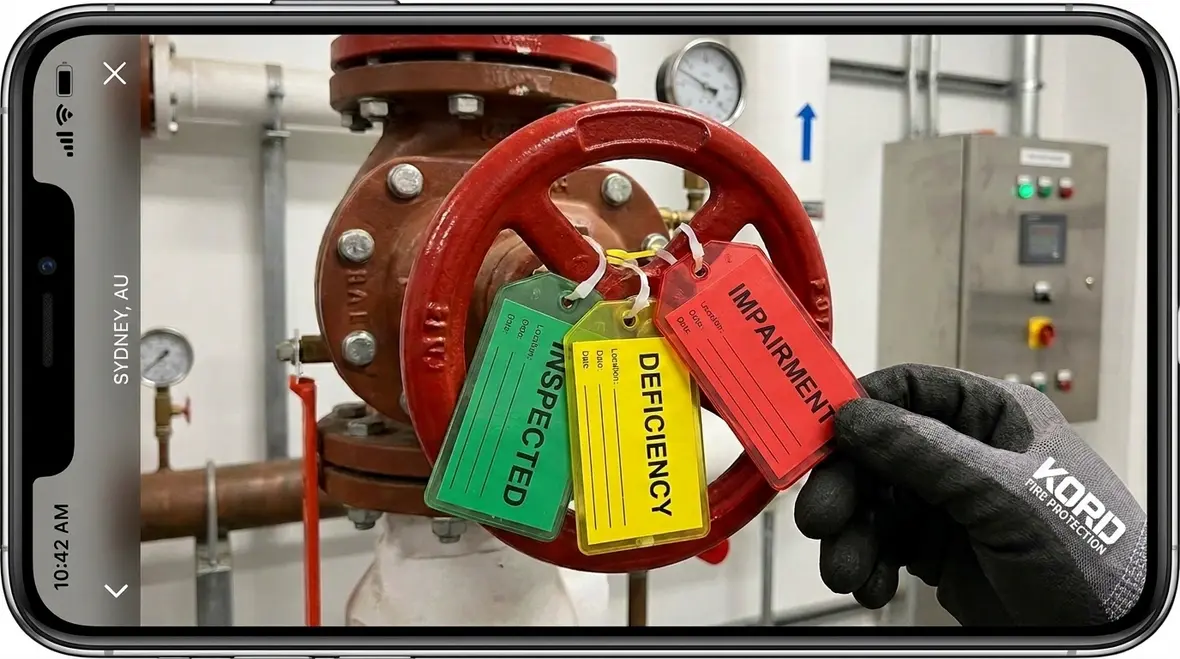
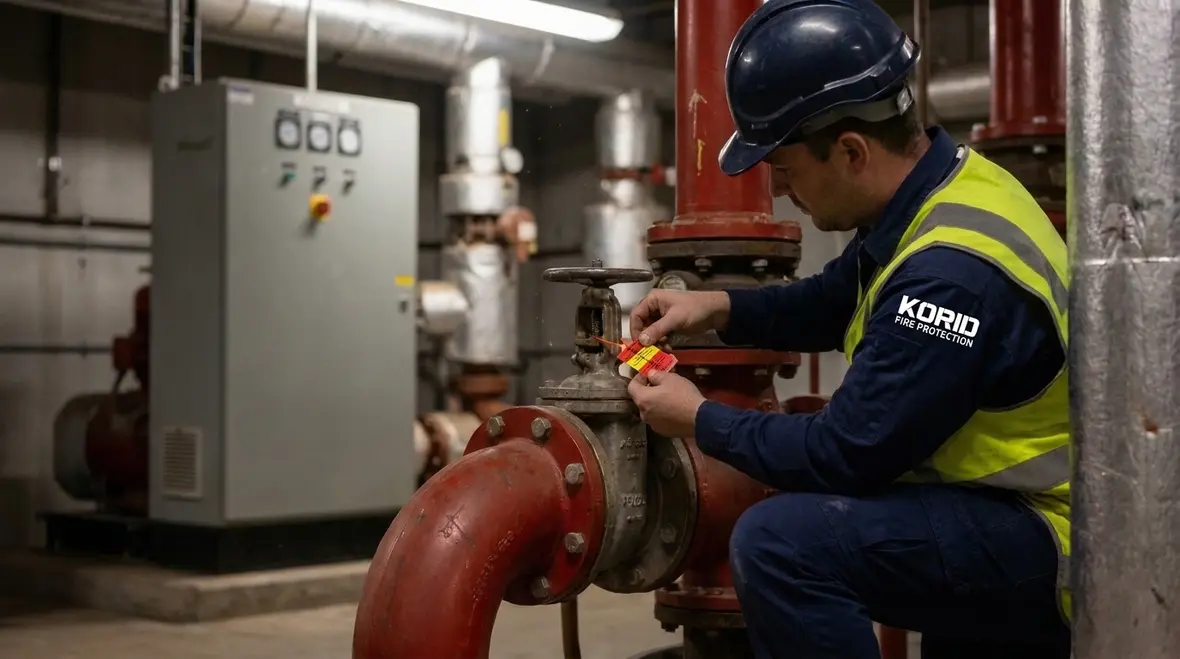
The program uses clear tag colors to show the condition of a fire protection component or system. While exact internal procedures can vary by site, the purpose stays the same: give staff an instant read on risk. In practice, the tagging process supports inspections, maintenance, and follow up work across sprinklers, pumps, valves, alarms, and other life safety assets.
This approach works well because it cuts through confusion. A technician, facility manager, and contractor can all look at the same tag and understand the status without needing a long debate. It is the visual version of “say less, show more.”
What a practical tagging workflow usually includes
- An inspection finding tied to a specific device, zone, or system component
- A visible tag that signals current status in the field
- A report entry explaining the deficiency and likely impact
- A repair path with assigned responsibility and timing
- A closeout step that confirms the issue is resolved properly
When those parts stay connected, the tag becomes more than a colored piece of material hanging off equipment. It becomes a field-level shortcut to better maintenance decisions. That is especially helpful on busy sites where people are juggling operations, contractors, and deadlines all at once.
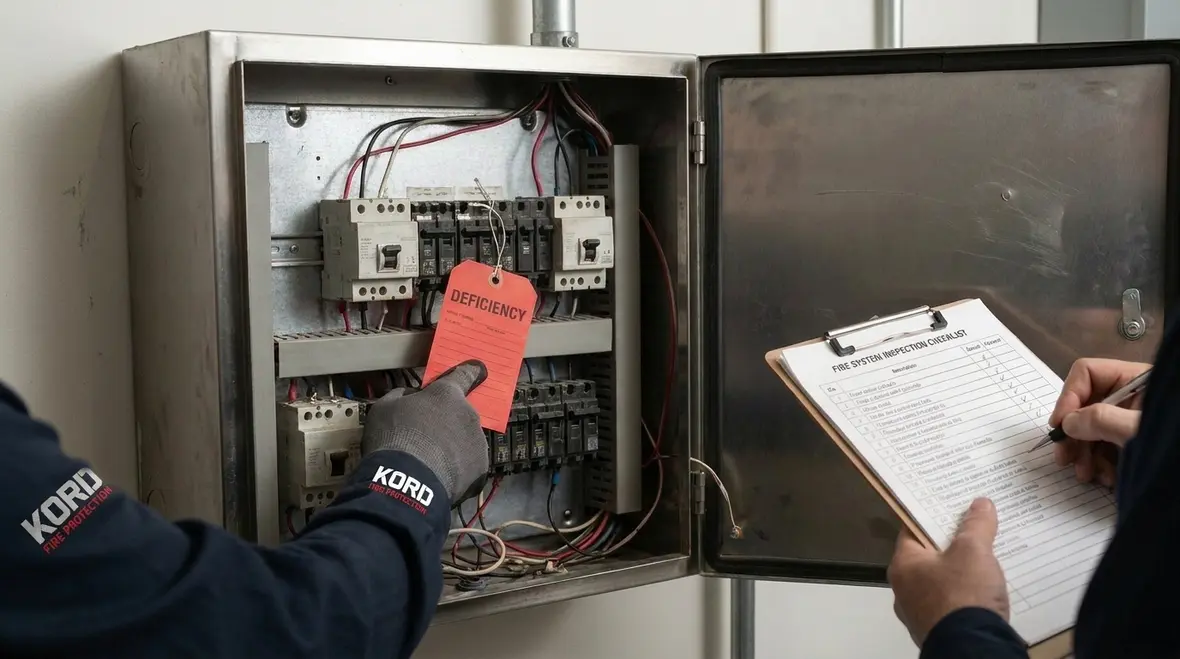
Common Deficiencies Found During Fire Protection Inspections
Fire protection inspections often uncover issues that appear minor at first. However, those small faults can affect system performance if left alone. Common examples include:
- Damaged or missing sprinkler heads
- Blocked access to valves, pumps, or panels
- Leaks, corrosion, or poor pipe condition
- Low pressure or flow concerns
- Faults in alarm or detection equipment
- Missing labels, signs, or test records
Because these issues can build over time, a structured tagging program helps teams sort them by priority. In turn, this supports a more disciplined maintenance cycle and a stronger safety posture across the site. It also keeps recurring problems from blending into the background just because everyone got used to walking past them.
Why small deficiencies deserve visible follow up
A missing sign may seem harmless until someone needs to isolate a valve fast. A little corrosion may not look dramatic until it hints at a larger reliability issue. A blocked control panel may be easy to ignore until an emergency turns access time into a real problem. Tagging helps facilities avoid that slow drift from minor nuisance to operational risk.
Why Facilities Across Australia Need a Clear Tagging System
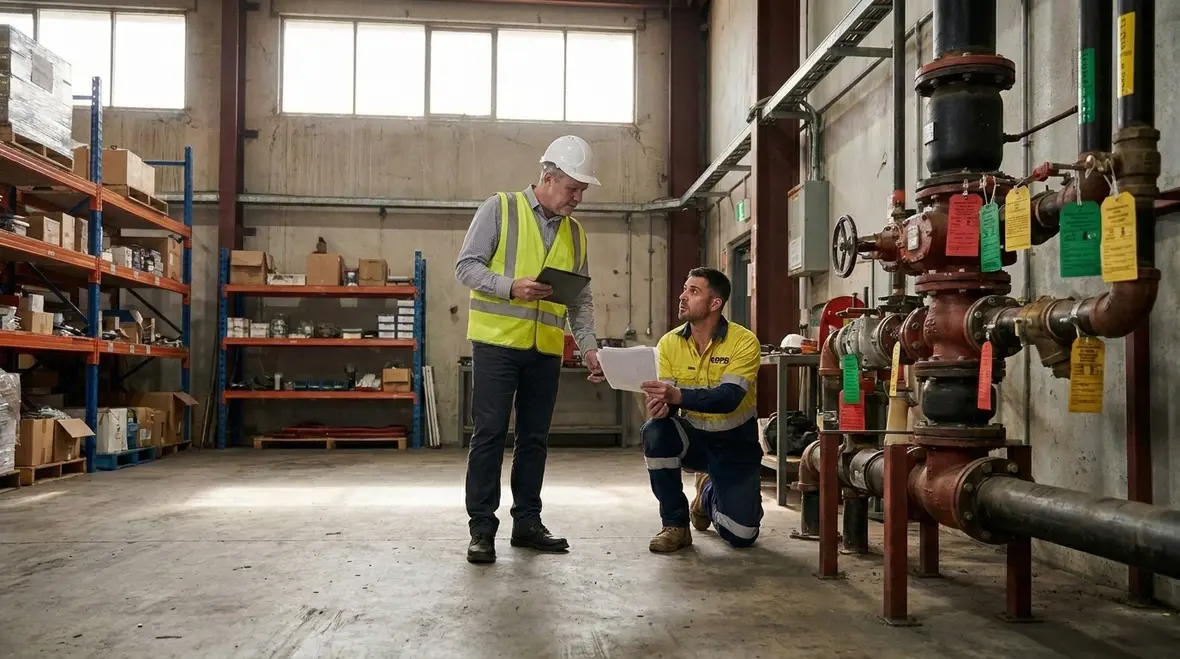
Australian industrial, retail, and commercial sites often operate with large teams, multiple tenants, and tight schedules. Therefore, fire protection issues can slip through the cracks if the process relies only on emails, spreadsheets, or memory. A visible tagging system helps remove that risk.
It also supports better communication between site staff, contractors, and compliance teams. When a deficiency gets tagged, everyone can see what needs attention and how urgent it is. That means fewer mixed messages, faster action, and less chance of a repair getting lost somewhere between “noted” and “done.”
On complex properties, clarity is half the battle. One building may have multiple risers, valve groups, alarm interfaces, and service providers. Without a visible system, a valid issue can still end up floating around in limbo. Tagging gives the site a practical shared language, and shared language usually beats crossed wires and heroic guesswork.
Where Kord Fire Protection Fits In
Kord Fire Protection can become a vital partner by helping facilities manage the full journey, not just the inspection itself. That includes identifying deficiencies, applying the right tags, documenting the issue clearly, and helping coordinate the next step. In other words, Kord Fire Protection does more than point at a problem and walk away with a clipboard and a dramatic sigh.
For sites that need reliable support, this matters. Kord Fire Protection can help facilities:
- Set up a practical tagging workflow
- Record deficiencies in a clear and usable format
- Prioritize urgent repairs
- Support compliance tracking
- Reduce downtime through faster response
As a result, facility leaders gain a partner that helps make the system easier to manage and less likely to drift off course. That same coordination mindset also appears across Kord Fire Protection’s guidance on the full lifecycle of fire protection servicing, where inspection, documentation, repair, and verification work best when treated as one connected process instead of a string of separate tasks.
What the Tags Tell the Team and What the Team Should Do
What the tag tells the team
- A defect exists
- The issue needs review
- The item may affect compliance or performance
- The problem has a visible status
What the team should do
- Check the report quickly
- Assign the right repair action
- Track the job to closure
- Confirm the system is back in service
How to Improve Compliance Without Creating More Admin
A good tagging program should reduce confusion, not add to it. Therefore, the best systems keep records simple, actions clear, and responsibility obvious. Facilities should link each tag to a report, a repair plan, and a closeout check. That way, the process stays clean from first finding to final sign off.
It also helps to review patterns over time. If the same deficiency keeps appearing, the site may need a better maintenance schedule or a deeper system review. After all, fire protection should not play hide and seek with the maintenance team. The goal is steady readiness, not surprise drama.
Simple habits that keep the process useful
- Use consistent tag meanings across the site
- Make reports easy to read without decoding jargon
- Assign owners to each repair item quickly
- Confirm closeout instead of assuming it happened
- Review repeat issues for root causes, not just quick fixes
When those habits become routine, compliance work feels less like chasing paperwork and more like managing real system readiness. That is the sweet spot. The process stays lean enough to use every day and strong enough to stand up when someone asks for proof.
FAQ
Take Action With Kord Fire Protection
NFPA 25 Annex G gives facilities a smarter way to handle deficiencies, and a solid tagging program keeps those issues visible and managed. For Australian industrial, retail, and commercial sites, Kord Fire Protection can help turn that system into practical action.
Contact Kord Fire Protection to strengthen compliance, speed up repairs, and keep fire protection issues from lingering like an awkward plot twist. Sites that want a broader readiness strategy can also review Australia fire protection for compliance and readiness for more context on keeping systems aligned, documented, and ready to perform.

Join Our Newsletter!
Get the latest fire safety tips delivered straight to your inbox From our Newsletter.