
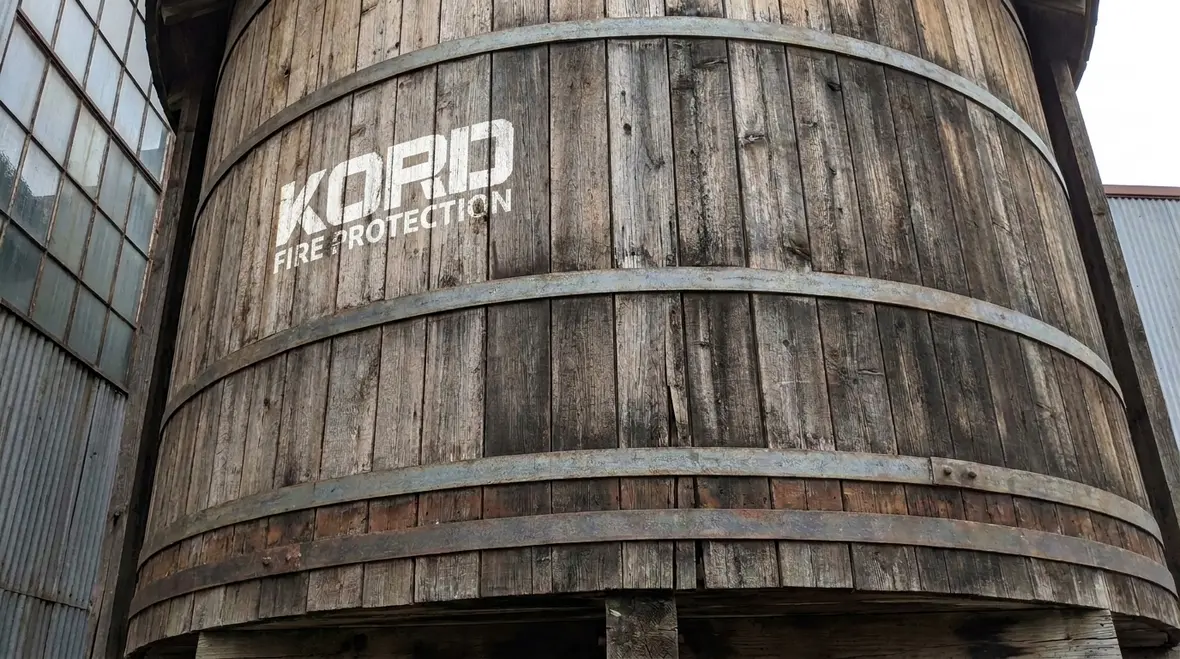
NFPA 22 Section 8.2: Wood Material Requirements for Water Tanks
Quick Answer: NFPA 22 Section 8.2 sets specific construction and performance expectations for any wood used in water tanks. These requirements focus on durability, resistance to water-related deterioration, and safe installation practices. Facilities must confirm materials and conditions stay compliant over time through inspection and maintenance.
Facilities managing tank condition alongside broader system readiness often benefit from a structured fire protection water storage tank inspection program to catch deterioration before it turns into a bigger headache.
Why NFPA 22 Section 8.2 matters for commercial water tanks
Commercial, industrial, and retail occupancies rely on water storage to support reliable fire protection performance. When NFPA 22 allows or requires wood in certain tank designs or components, Section 8.2 becomes a critical compliance checkpoint. This section directly affects build quality, inspection outcomes, and long-term operability, which is why wood material requirements water tanks must be treated as a life safety and uptime issue, not a purchasing detail.
Facilities typically discover wood related compliance gaps during annual inspections, impairment reviews, commissioning, or after changes to tank usage, water chemistry, or environmental exposure. A strong compliance program prevents those issues before they turn into expensive repairs, downtime, or enforcement action.
What Section 8.2 typically governs: wood exposure, degradation, and assembly control
NFPA 22 Section 8.2 addresses wood as a construction material where it may be present in water tank systems. The practical intent centers on limiting deterioration that can compromise tank integrity, water quality, and the ability of the tank to support the fire protection system. Compliance expectations usually translate into four operational outcomes facilities must control:
- Material selection: Wood must meet prescribed quality and suitability so it does not degrade faster than the tank’s service life.
- Protection from moisture driven failure: Wood must be installed in a way that minimizes swelling, warping, rot, and loss of strength.
- Controlled construction methods: Proper joining, bracing, and installation prevent structural loosening and seepage paths.
- Ongoing condition verification: Inspections must confirm the wood remains sound under real conditions.
In many facilities, the compliance challenge is not a single missing specification. It is the combination of installation practices, water environment, and the way the tank is operated and maintained year after year.
Where compliance issues show up in the real world
1) Water chemistry and temperature acceleration
Elevated temperatures, inconsistent water turnover, or water quality problems can increase wood deterioration rates. This can show up as soft spots, surface cracking, or loss of mechanical strength. Compliance is tied to the condition at inspection time, so facilities must monitor the environment that drives degradation.
2) Improper fastening and joint design
Wood joints are sensitive to movement and differential swelling. If fasteners corrode, loosen, or if joinery allows gaps, seepage can develop. Seepage increases wetting cycles, which accelerates rot and reduces load capacity.
3) Contamination from debris and sediment
Biofilm, sediment, and accumulated debris create localized wet and oxygen conditions that can degrade wood components. In commercial facilities, this problem often worsens when filtration, flushing, or cleaning practices are inconsistent with the tank’s operating profile.
4) Environmental exposure outside the designed wet zone
Wood that is supposed to remain properly protected can still be harmed by leaks at penetrations, poor sealing at access points, or condensation during idle periods. The result can be hidden damage that inspection misses without a targeted program.
How facilities verify wood material compliance during inspections
Wood material requirements water tanks are validated through condition and evidence, not assumptions. A practical compliance verification process typically includes:
- Document review: Verify the tank design basis, material submittals, and installation records. Confirm that the wood product identity matches the applicable requirements used for design approval.
- Visual and tactile condition assessment: Inspect for swelling, splitting, softening, discoloration, and structural distortion. Where appropriate, evaluate stability at joints, supports, and interfaces.
- Joint and penetration checks: Confirm seals and connections do not allow water pathways behind wood surfaces.
- System impairment checks: Confirm there are no conditions that reduce the tank’s ability to supply water as intended for the fire protection system.
- Maintenance record alignment: Ensure cleaning, flushing, and any repairs follow the facility’s documented maintenance procedure and the applicable NFPA 22 expectations.
Commercial facilities with multiple assets often need a consistent, repeatable inspection checklist. Kord Fire Protection supports this by tying inspection planning to the specific tank configuration, water environment, and service history to reduce missed defects and repeated findings.
Operational procedures and maintenance actions that protect wood long term
Wood in water tanks fails when water contact, oxygen exposure, and mechanical stresses combine over time. Facilities improve reliability by controlling those variables through procedures that match their operating patterns.
Target maintenance activities
- Scheduled cleaning and sediment control: Reduce debris that creates persistent wetting and biological growth.
- Leak management: Repair penetrations and access covers quickly to prevent hidden wet zones behind or adjacent to wood.
- Water turnover and operational discipline: Avoid extended stagnation periods that can worsen degradation and contamination.
- Repair only with verified methods: Use repair materials and methods that maintain the original compliance intent. After repairs, recheck condition and integrity, especially at joints.
- Environmental monitoring where applicable: Track conditions that correlate to degradation, such as temperature extremes and water quality changes.
For facilities coordinating multiple water based protection systems, compliance efficiency improves when maintenance integrates with broader fire protection water tank oversight. For additional context on how NFPA 22 regulates water tank fire protection, reference: how NFPA 22 regulates fire protection water tanks.
Common commercial compliance mistakes to avoid
Many wood related findings come from avoidable operational decisions. Facilities should specifically avoid these patterns:
- Assuming initial submittals guarantee long-term compliance: Compliance depends on the wood’s in service condition.
- Using non verified wood replacements: Substitute materials can change performance and may not match the design intent.
- Delaying remediation: Early rot or weakening can spread rapidly and become structural.
- Inspection without access planning: Wood deterioration often occurs where surfaces are not readily visible. Access planning improves detection.
- Disconnecting tank maintenance from fire protection performance oversight: A tank that does not operate reliably during a fire event defeats the purpose of the compliance standard.
Kord Fire Protection brings a practical compliance approach designed for commercial schedules and accountability. The service focus includes inspection readiness, documentation support, and maintenance coordination so facilities can address wood material requirements water tanks with evidence based verification rather than reactive repairs.
Frequently Asked Questions
Conclusion and call to action
Wood material requirements water tanks under NFPA 22 Section 8.2 demand more than correct purchasing. Facilities must manage installation details, control conditions that drive degradation, and verify ongoing integrity through structured inspections and maintenance. If your water tank includes wood components or you need to strengthen audit readiness, contact Kord Fire Protection for a compliance focused assessment, inspection planning support, and maintenance coordination.

Join Our Newsletter!
Get the latest fire safety tips delivered straight to your inbox From our Newsletter.



