
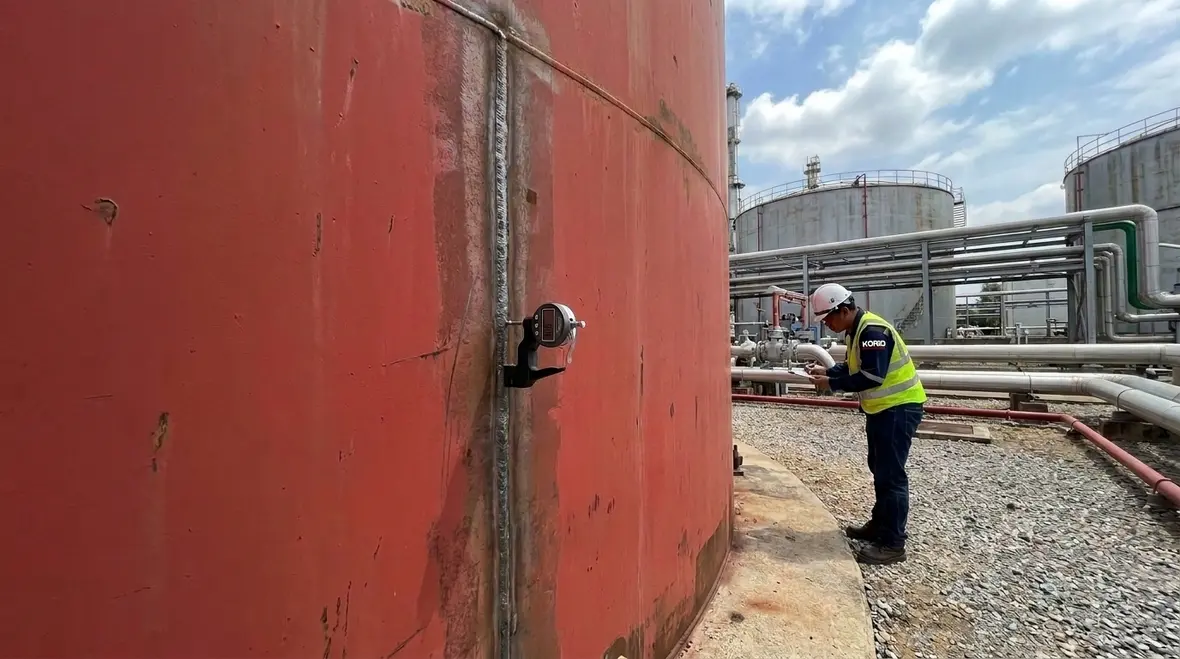
NFPA 22 Section 5.2: Materials for Welded Carbon Steel Water Tanks
Quick Answer
NFPA 22 Section 5.2 sets material and design expectations for welded carbon steel water tanks used in fire protection service. Compliance hinges on selecting suitable steel, controlling weld quality, and ensuring coatings and corrosion protection match the tank’s water chemistry and exposure conditions.
Facilities building a broader readiness plan can also review water storage tank inspection priorities to connect material choices with real inspection strategy and long term field performance.
Why NFPA 22 Section 5.2 matters for tank integrity
Commercial facilities depend on reliable fire protection water supply. When a water tank cannot hold pressure or maintain usable capacity due to corrosion, defective welding, or coating failure, the system’s performance degrades at the worst time. NFPA 22 Section 5.2 addresses materials for welded carbon steel water tanks so that the tank’s structure, fabrication, and corrosion resistance align with fire protection service requirements.
For industrial, retail, and multi tenant commercial sites, the compliance challenge often extends beyond initial installation. Site conditions, water chemistry, winterization practices, and maintenance cycles determine whether the selected materials and fabrication methods remain effective over years of service.
What Section 5.2 covers in welded carbon steel construction
NFPA 22 Section 5.2 focuses on ensuring the tank’s construction materials and fabrication practices provide the strength and durability required for fire protection operation. In practical terms, the “materials” conversation includes the steel base metal, welding processes and acceptance criteria, and the interfaces where degradation commonly starts.
Key compliance areas typically include:
- Steel selection suitable for tank service, including considerations for strength and formability during fabrication.
- Welding quality controls that prevent lack of fusion, porosity, inadequate penetration, and seam defects.
- Compatibility between tank materials and protective coatings or linings used to control corrosion.
- Verification that the tank’s components support long term structural integrity under expected loads and operating conditions.
Even when the steel is correct on paper, operational realities such as water stagnation, chemical dosing changes, or mixed metal hardware can still create corrosion cell conditions that exceed the protection assumptions used during design.
Steel base metal selection and common field failure points
How material selection affects corrosion and service life
For materials for welded carbon steel water tanks, the base metal selection drives susceptibility to corrosion forms such as uniform corrosion and localized attack. While carbon steel provides many performance advantages for welded tank fabrication, it requires effective corrosion control and careful attention to welding and finishing practices to avoid early degradation.
Common material and workmanship issues that show up during inspections include:
- Coating discontinuities at weld seams and edges where surface preparation was insufficient.
- Condensation and wetting behind insulation or at supports that keep steel in a damp cycle.
- Debris traps at bottom corners or internal baffles that promote localized corrosion.
- Galvanic interactions when dissimilar metals are introduced in the water pathway.
Operational drivers that accelerate deterioration
Commercial and industrial sites frequently experience changes in operating patterns that affect corrosion. Examples include infrequent drawdowns, seasonal temperature shifts, water treatment program changes, and switching water sources. These conditions can increase dissolved oxygen or alter pH and alkalinity, pushing corrosion rates higher than anticipated.
Because fire protection systems must stay available, these risk factors should be addressed through a documented inspection and maintenance plan aligned to your facility’s risk profile.
Welding workmanship controls and inspection mechanisms
Weld quality often determines whether welded carbon steel tanks remain sound for years. Section 5.2 expectations translate into practical workmanship requirements during fabrication and verification after welding and finishing. The most operationally significant failure mechanisms stem from weld flaws that compromise water tightness or long term corrosion resistance.
Where weld defects tend to start
During field performance monitoring, the earliest issues frequently appear at weld seams, heat affected zones, and intersections with attachments. Typical problem patterns include:
- Micro cracks or incomplete fusion that allow water ingress under coatings.
- Porosity that reduces effective sealing and increases corrosion initiation sites.
- Surface irregularities that prevent coating adhesion at the weld profile.
- Burn through or warping that alters fit up and creates stress concentrations.
How inspections verify weld integrity over time
Compliance does not end at installation. Ongoing inspection strategies help identify developing defects before they affect fire flow availability. Many facilities implement:
- Visual verification of coating condition and seam integrity, including evidence of blistering, rust migration, or coating lifting.
- Internal condition assessments when access permits, focusing on bottom areas, seam lines, and attachment points.
- Condition based maintenance that prioritizes repairs where defect growth is most likely.
Kord Fire Protection supports commercial operators with inspection planning, documentation for compliance readiness, and practical maintenance guidance that connects welding quality realities to in service performance.
Coatings, linings, and water chemistry compatibility
Even when the materials for welded carbon steel water tanks meet the basic construction intent, corrosion protection must remain effective in the actual water chemistry and environmental conditions present at the site. Coatings and linings should match the tank’s exposure, the water source, and the operating temperature range.
Compliance and maintenance pain points
Facilities often encounter these operational challenges:
- Coating damage during maintenance, such as patching failures after access work or component replacement.
- Uncontrolled water chemistry swings that undermine coating performance.
- Improper surface preparation during recoating cycles that leave a weak bond at weld seams.
- Trapped moisture behind supports or cladding that reactivates corrosion under coatings.
To better understand how NFPA 22 regulates water tanks as part of an overall fire protection water supply strategy, review this resource: How NFPA 22 regulates fire protection water tanks.
Commercial readiness: documentation, testing, and ongoing assurance
For commercial, industrial, and retail facilities, compliance depends on more than meeting the material requirement at the time of construction. Operators must manage risk across inspection intervals, maintenance actions, and system changes that can affect tank integrity.
A strong readiness program typically includes:
- As built documentation tracking for tank construction details that affect weld and coating evaluation.
- Inspection scheduling that accounts for tank location, water chemistry variability, and historical repair activity.
- Maintenance controls that protect coatings during access, component swaps, and winterization.
- Corrective repair workflows that align coating touch up and seam protection to the original intent.
Kord Fire Protection helps facilities maintain compliance readiness by supporting routine inspections, maintenance coordination, and practical next step recommendations when degradation trends appear.
Frequently Asked Questions
Get compliance support before issues escalate
Fire protection water tanks must remain reliable under real operating conditions, not just at commissioning. Kord Fire Protection can help your team connect NFPA 22 expectations to practical inspection, maintenance, and documentation workflows for welded carbon steel tanks. Contact Kord Fire Protection to review your tank condition, validate maintenance readiness, and build an ongoing assurance plan that protects system availability.
If your site also needs broader system coordination, explore fire protection services in Southern California for inspections, repairs, testing, and compliance support across connected fire protection systems.

Join Our Newsletter!
Get the latest fire safety tips delivered straight to your inbox From our Newsletter.



