
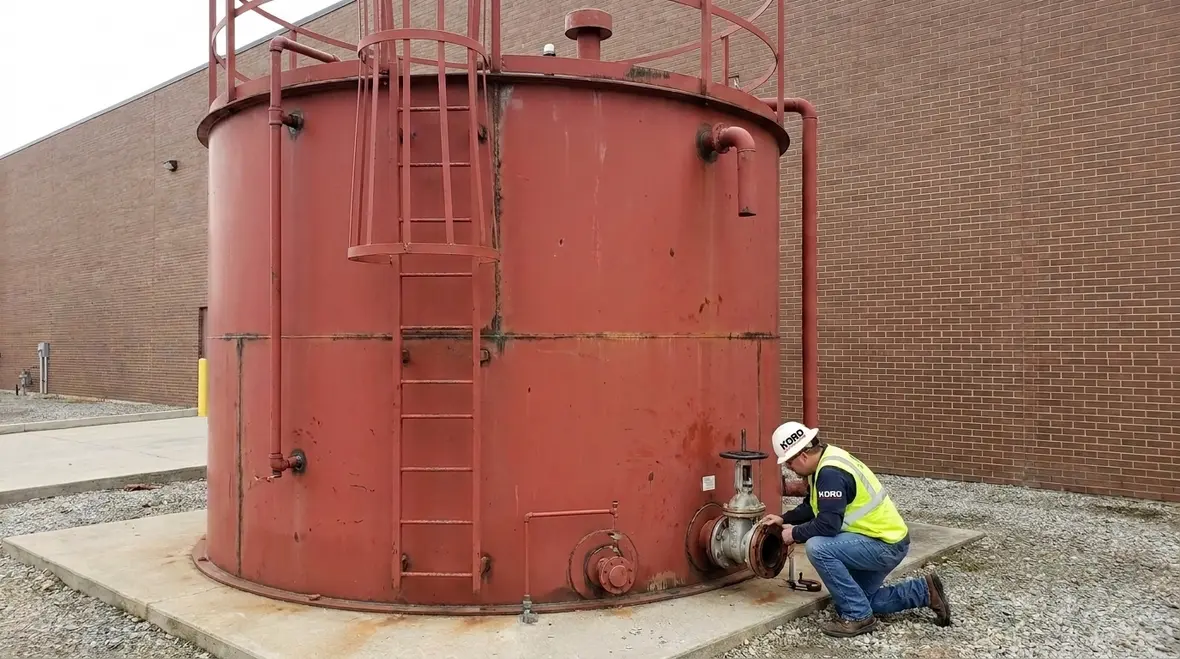
NFPA 22 Section 5.1: General Rules for Welded Carbon Steel and Composite Tanks
Quick Answer: NFPA 22 Section 5.1 sets baseline construction and compliance rules for welded carbon steel and composite tanks used in fire protection water systems. These requirements directly affect integrity, testing access, inspection readiness, and long term maintainability, including welded carbon steel gravity suction tank requirements for installed performance.
Facility teams managing water based fire protection assets can also benefit from broader fire protection services in Southern California when tank compliance issues overlap with inspections, deficiency correction planning, and system reliability support.
What NFPA 22 Section 5.1 Really Demands of Tank Designers and Owners
NFPA 22 Section 5.1 establishes general rules that govern how welded carbon steel and composite tanks get designed, fabricated, assembled, supported, and prepared for service as part of fire protection water supply systems. For facility owners and operators, the intent is simple: tanks must remain reliable under normal operating conditions and during routine inspection, testing, and emergency operation.
In practical terms, the general rules determine what your team must verify during acceptance inspections, how maintenance access gets planned, and where corrosion and mechanical failure typically starts. This matters most in commercial occupancies such as industrial plants, distribution centers, hospitals, and multi tenant retail facilities where water supply dependability is tested through scheduled inspections and performance checks.
Key Construction and Compliance Baselines Under Section 5.1
Section 5.1 works as a framework. It does not replace every later fabrication and testing detail in NFPA 22, but it sets the expectation that the tank system gets built to support long service life and safe maintenance. Key compliance baselines usually focus on:
- Material suitability and compatible design to reduce corrosion risk and prevent premature loss of thickness, strength, or sealing performance.
- Weld quality and fabrication discipline for welded carbon steel sections, including attention to joint details and workmanship that prevent defects from becoming leak paths.
- Composite tank integrity expectations for tanks built with composite construction methods, including the need for consistent fabrication that supports structural performance and water tightness.
- Installation readiness so the tank can support required operational configuration and service access without hazardous workarounds.
Why “General Rules” Still Create Real Field Failures
In the field, compliance issues often appear where teams assume “general rules” are only design intent. Common failure points include inadequate welding control that leads to pinholes, poor joint sealing around appurtenances, and support or anchorage conditions that allow movement. Movement can fatigue weld seams, distort nozzles, and increase the likelihood of leaks around suction and return penetrations.
Commercial facilities also experience accelerated corrosion when tank environments experience fluctuating water chemistry, intermittent draining cycles, or poor water circulation. When welded carbon steel gravity suction tank requirements are not accounted for during design and installation, owners frequently face repeat maintenance events and expanded outage windows during corrective work.
How Welded Carbon Steel Gravity Suction Tank Requirements Affect Operational Reliability
For systems that rely on gravity suction, tank geometry, suction piping arrangement, and intake configuration create a direct link between construction rules and day to day reliability. The welded carbon steel gravity suction tank requirements typically drive field attention toward:
- Bottom and intake region integrity because the suction path can expose the system to debris ingestion and sediment disturbance.
- Leak free penetrations for suction connections, drains, vents, and instrumentation, since even small leaks can reduce effective water supply or introduce air into the system.
- Structural stability under static head so the tank maintains alignment over time and does not impose strain on suction piping.
- Inspection and cleaning access so the tank can be evaluated for scale, sediment, and corrosion during scheduled maintenance.
Operational Procedures That Get Overlooked During Construction
Owners and maintenance teams should align installation details with operating procedures. Even when construction meets the letter of Section 5.1, operations can still create noncompliance outcomes if the facility cannot perform required inspections. Examples include:
- Restricted access to manways or internal surfaces, which delays inspection and reduces the quality of visual assessments.
- Inadequate lighting or fall protection planning for tank entry, which results in incomplete internal checks.
- Maintenance routines that do not address sediment accumulation, increasing blockage risk at the suction inlet during a demand event.
For an overview of how NFPA 22 regulates fire protection water tanks across design and operation, see how NFPA 22 regulates fire protection water tanks.
Inspections, Testing Readiness, and Ongoing Maintenance
Section 5.1 general rules aim to ensure the tank can be inspected and maintained safely and effectively. Commercial compliance success depends on readiness, not just initial acceptance.
What Inspectors Expect to See in Practice
During compliance walks and maintenance reviews, inspectors and engineers typically look for evidence that the tank system supports ongoing verification activities. That includes:
- Clear identification of tank configuration, including suction and discharge connections, drains, vents, and any water level controls.
- Visible condition of weld seams and interfaces where accessible, including any coating breaks or corrosion indicators.
- Operational readiness for testing such as access to sampling or draining points and functional check points for system performance.
- Maintenance access pathways that support safe entry, cleaning, and inspection without creating hazardous shortcuts.
Common Maintenance Gaps That Trigger Repeat Corrections
Several maintenance patterns increase the probability of problems in welded carbon steel gravity suction tank requirements environments:
- Coating and corrosion management delays that allow minor corrosion to expand until weld or structural repairs become necessary.
- Incomplete sediment removal that leads to suction performance degradation and repeated system troubleshooting.
- Improper handling of appurtenances such as strainers, sensors, and intake components, which can loosen seals and create leak paths.
Kord Fire Protection supports commercial facilities by coordinating compliance driven inspection schedules, documenting condition findings, and planning corrective actions that preserve system reliability. This approach helps reduce downtime, improve audit readiness, and standardize tank maintenance execution across recurring service events.
Composite Tank Considerations: Don’t Assume the Rules Are Easier
Composite tanks can simplify certain fabrication aspects, but Section 5.1 expectations still require a strong emphasis on integrity and serviceability. Field risks commonly involve:
- Joint and interface performance around penetrations, where sealing strategy determines long term water tightness.
- Damage from installation handling such as impact or abrasion that may not show immediate leakage but can compromise long term durability.
- Maintenance limitations if internal access and inspection methods are not planned up front.
Commercial facilities should confirm that composite construction still supports the inspection and testing workflow required by the broader NFPA 22 program, including operational checks tied to water supply reliability during fire service demand.
How Kord Fire Protection Helps Maintain NFPA 22 Readiness
NFPA 22 compliance is not a one time event. It requires documented inspection performance, corrective action follow through, and repeatable maintenance practices that match how the facility actually operates. Kord Fire Protection helps owners and facility managers close the gap between design documentation and real world execution by:
- Reviewing tank system configuration for practical serviceability and compliance readiness.
- Supporting scheduled inspections and condition based assessments to identify corrosion indicators, leakage risks, and operational limitations early.
- Coordinating corrective action planning that prioritizes tank integrity, system availability, and safe maintenance access.
This is especially valuable where welded carbon steel gravity suction tank requirements create heightened sensitivity to suction reliability, intake contamination, and leak free operation.
Frequently Asked Questions
Conclusion and Call to Action
NFPA 22 Section 5.1 sets the foundation for tank integrity, but compliance success depends on how welded carbon steel and composite tanks get maintained over time. If your facility relies on gravity suction, aligning welded carbon steel gravity suction tank requirements with practical inspection access, corrosion management, and operational testing is critical. Contact Kord Fire Protection to review your tank configuration, build a compliance aligned maintenance plan, and document readiness for inspections and audits.

Join Our Newsletter!
Get the latest fire safety tips delivered straight to your inbox From our Newsletter.



