
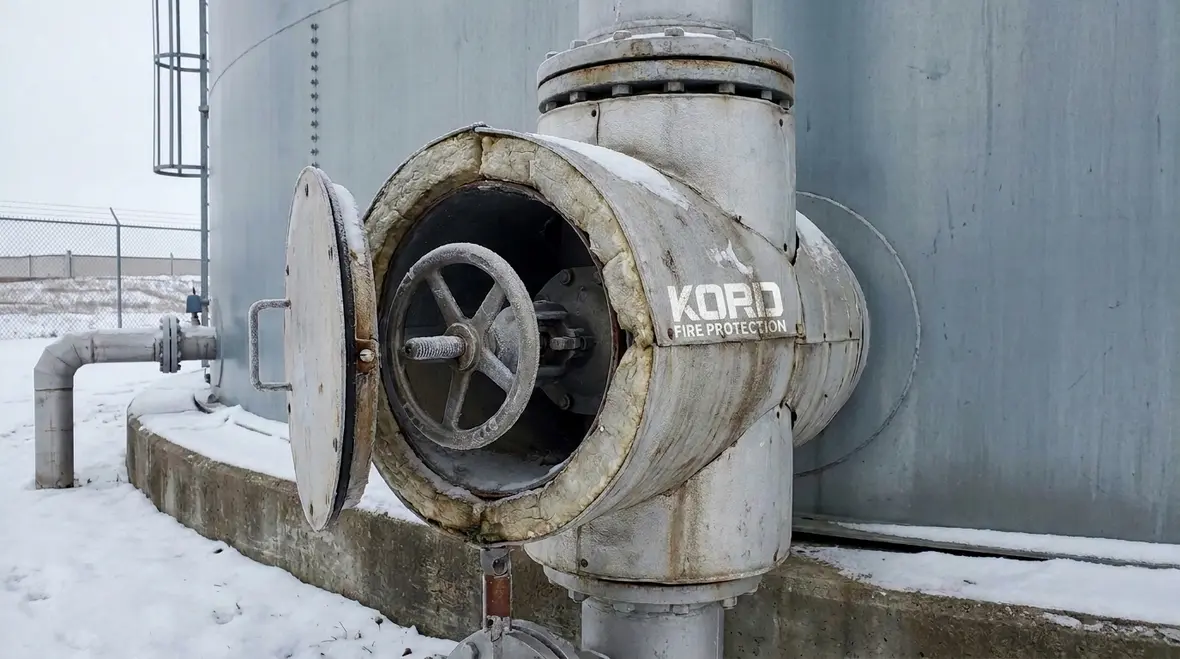
NFPA 22 Section 15.2: Frostproof Casings for Water Tank Valves
Quick Answer
NFPA 22 Section 15.2 requires frostproof casings for water tank valves in locations where freezing temperatures can impair operation. Proper casing design protects the valve mechanism, stem, and operating hardware from ice formation while still enabling routine inspection and maintenance.
Facilities managing seasonal valve risks often benefit from broader fire protection services in Southern California to coordinate inspections, repairs, and winter readiness planning.
Why frostproof casing water tank valves requirements matter in real facilities
Freezing conditions can prevent water tank valves from opening, fully closing, or operating reliably during a fire emergency. The intent of NFPA 22 Section 15.2 is straightforward: keep the valve functional by preventing ice and frost buildup around the valve components that control water flow. For commercial, industrial, and retail facilities, frostproof casing water tank valves requirements directly affect inspection readiness, seasonal reliability, and code compliance documentation. Failure modes often show up during winter testing, not during summer commissioning.
For additional context on how NFPA 22 regulates water tanks and related fire protection components, see how NFPA 22 regulates fire protection water tanks.
What NFPA 22 Section 15.2 requires for valve protection
NFPA 22 Section 15.2 focuses on protecting water tank valves from freezing by enclosing them with frostproof casings. In practice, a frostproof casing acts like a controlled thermal barrier and moisture shield, reducing the likelihood that freezing temperatures will compromise the valve stem, packing, seating surfaces, and operating interface.
Key performance goals of a frostproof casing
- Maintain operability: The valve must open and close as required, with no ice binding.
- Protect critical interfaces: The stem, packing area, and actuator or handwheel linkage should not become encased in ice.
- Limit water intrusion: Standing water and condensation within the casing can freeze and block moving parts.
- Support inspection access: The casing should not prevent required inspections or seasonal testing procedures.
Where facilities most often get tripped up
- Inadequate casing depth or thermal protection: The enclosure does not keep the valve area above freezing during cold snaps.
- Poor sealing: Gaps allow moisture ingress, leading to freeze-thaw swelling and mechanical binding.
- Damaged liners, doors, or covers: Compromised casing components reduce insulation value and allow ice formation.
- Restricted access: Maintenance staff cannot safely reach operating components for quarterly or seasonal checks.
How frostproof casings work: mechanism and design considerations
A frostproof casing is not merely a box around a valve. It must manage heat loss and moisture exposure while preserving functional access to the operating interface. Most operational issues trace back to how the casing interacts with condensation, airflow, and water drainage.
Operational mechanisms that influence reliability
- Thermal buffering: The casing reduces heat transfer to the valve body and stem region, slowing or preventing ice formation.
- Drainage and isolation of water: Effective casings reduce the amount of free water that can accumulate and freeze.
- Protection of stem travel and packing: Ice near packing or stem travel areas can increase friction and prevent full valve stroke.
- Stable enclosure environment: By limiting airflow and moisture exposure, casings reduce condensation cycles that create ice buildup.
Common commercial failure points
In tenant mix facilities, seasonal equipment changes, or facilities managed by multiple contractors, frostproof casing water tank valves requirements are frequently undermined by small but critical deviations:
- Improvised covers that do not maintain the intended enclosure boundary.
- Improper sealing materials that degrade under UV exposure or repeated freeze-thaw cycles.
- Valve modifications that change clearances, increasing the chance of ice bridging.
- Neglected lubrication and packing maintenance, which increases friction and magnifies the effect of cold exposure.
Compliance and inspection: what staff and contractors must verify
Meeting NFPA 22 requirements depends on both correct installation and sustained maintenance. Commercial facilities often hold documentation to demonstrate compliance, but the more important piece is operational readiness during freezing temperatures.
Inspection checklist that supports audit-ready compliance
- Casing condition: No cracks, missing panels, damaged insulation, or compromised enclosure integrity.
- Water management: No standing water inside the casing after seasonal transitions.
- Accessibility: Personnel can operate the valve, verify position, and perform required checks without excessive risk.
- Operating function: Confirm the valve can move through full travel without binding or abnormal resistance.
- Hardware integrity: Handwheel, actuator components, and linkage remain secure and properly aligned.
- Evidence of freezing risk: Look for ice staining, frost patterns, or repeated condensation indicators.
Maintenance procedures that reduce winter callouts
Operational maintenance should align with seasonal risk. Many facilities benefit from a documented pre freeze inspection and a controlled winter performance check. If a casing shows recurring moisture accumulation, the facility should address the root cause rather than only attempting mechanical thawing.
- Seasonal pre checks: Verify casing seals, covers, and drainage paths before the first sustained freeze.
- Valve operation checks: Exercise the valve to confirm reliable travel and detect early friction increases.
- Packing and stem assessment: Address wear that increases resistance during cold weather.
- Repair with code aligned materials: Use replacement parts and sealing methods consistent with the enclosure intent.
Documentation and partner support: where Kord Fire Protection adds value
For many facilities, the most time consuming part of frostproof casing water tank valves requirements is not the physical casing itself. It is maintaining a consistent inspection and maintenance record that demonstrates operational reliability across seasons. Kord Fire Protection supports commercial, industrial, and retail sites with inspection planning, corrective action coordination, and maintenance workflows that help reduce service disruptions during freezing weather.
Partner support typically includes:
- Audit-ready reporting that ties inspection findings to functional operability.
- Seasonal readiness reviews focused on winter risk reduction.
- Corrective recommendations when casing integrity or operating components show deterioration.
- Coordination with facility teams to maintain access, safety, and consistent maintenance intervals.
Frequently Asked Questions
Conclusion and call to action
Frostproof casings protect water tank valves from freeze related failure, but compliance only holds when installation, inspection, and winter readiness maintenance stay aligned with NFPA 22 Section 15.2. Facilities should schedule pre freeze checks, verify casing integrity, and confirm full valve operation with documented results. Contact Kord Fire Protection to build a seasonal inspection and maintenance plan that supports code compliance, minimizes downtime, and strengthens emergency readiness through the coldest months.

Join Our Newsletter!
Get the latest fire safety tips delivered straight to your inbox From our Newsletter.



