NFPA 2001 Section 8.1 Local Application Clean Agent Systems
Quick Answer
NFPA 2001 Section 8.1 helps teams decide when local application fits better than total flooding. In simple terms, it works best when a fire risk is in one fixed spot, not a whole room. That makes it a smart choice for industrial, retail, and commercial sites that need focused protection for critical equipment without blanketing the entire enclosure.
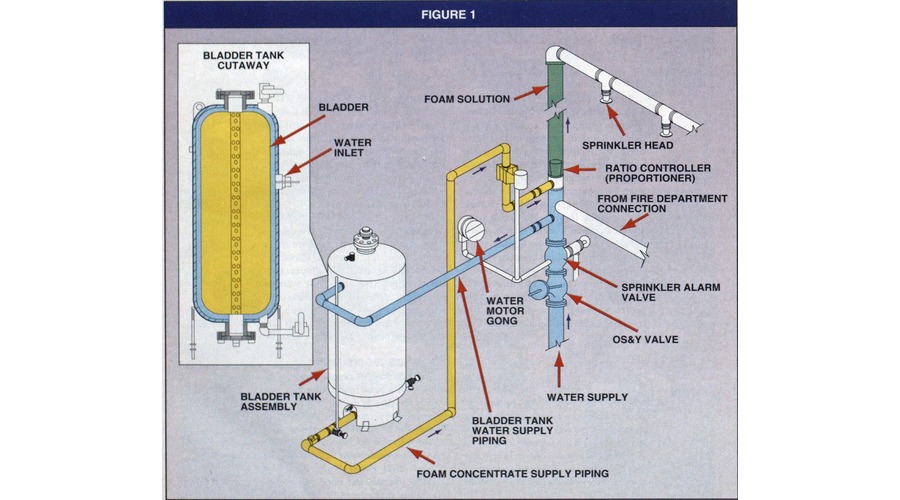
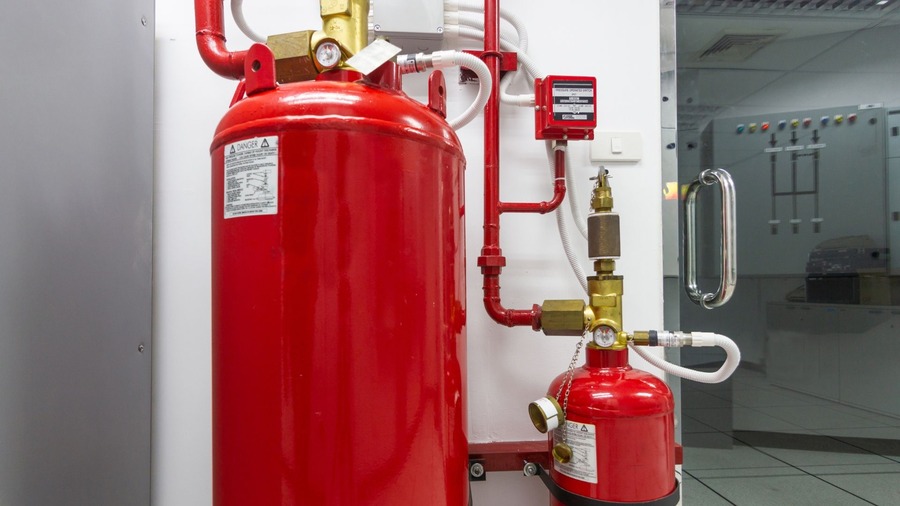
NFPA 2001 local application systems clean agent fire protection gives facilities a focused way to protect high value equipment without flooding an entire room. Near the start of that planning process, it also helps to understand how clean agent fire suppression system services support design, installation, and long term system readiness. For the site itself, that can mean less downtime, less clean up, and less drama. In the real world, not every fire risk needs the full room treatment. Sometimes the smart move is to hit the target, not the whole stage.
When Local Application Makes Sense
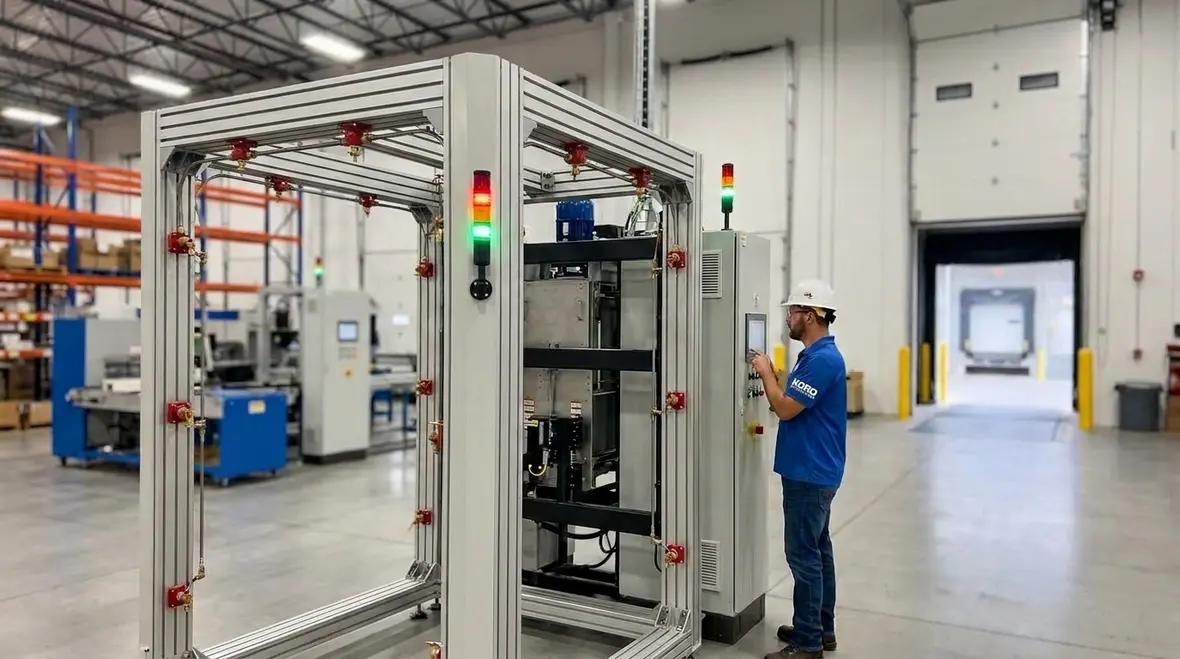
NFPA 2001 Section 8.1 guides designers toward local application when the hazard is limited to a specific object or process. This works well for machinery, paint lines, printing presses, electrical cabinets, and special process areas. Since the clean agent only protects the hazard zone, the system can respond fast and avoid wasting agent on spaces that do not need it.
That matters because many facilities have equipment that stays in one place and runs with a clear fire risk. Therefore, local application often suits operations where the protected asset matters more than the full room volume. It is a bit like using a laser pointer instead of a floodlight. Both shine, but only one does the job with style.
Why Fixed Hazards Usually Benefit Most
A fixed hazard gives designers something very valuable: predictability. If the ignition source, fuel source, and protected equipment all live in one defined area, the suppression strategy can be tighter and smarter. Instead of treating every cubic foot of the room as equally risky, the design can focus on the spot where trouble is most likely to start. That can improve efficiency and support a cleaner recovery after discharge.
How NFPA 2001 Section 8.1 Guides the Choice
Section 8.1 helps teams choose local application by asking a simple but important question: is the fire hazard tied to a defined point, area, or object? If yes, local application may be the better fit. However, if the risk can spread through the entire enclosure, total flooding may still be the better path.
In practice, the standard pushes designers to look at the hazard itself, the room layout, and how the fire might behave. As a result, the decision is not based on guesswork or a hunch from the bloke in the hard hat who “reckons it’ll be fine.” It comes from a careful review of the risk and the protection goal.
The Real Decision Is About Fire Behavior
This is where many people oversimplify the choice. The question is not just whether the equipment is important. The real question is how a fire starting at that equipment is likely to develop. If the fire can be attacked at the hazard before it spreads through the broader enclosure, local application can make excellent sense. If not, a room based strategy may be more appropriate. That difference sounds small on paper, but out on the floor it changes everything.
For teams comparing system paths, it is also useful to review Kord Fire’s related resource on NFPA 2001 guidelines for clean agent fire suppression systems, which helps frame the broader standard around design and protection strategy.
| Local Application | Total Flooding |
| Protects a specific hazard or object | Protects the whole enclosure |
| Best for fixed risks like machines or process lines | Best for rooms where fire can spread widely |
| Uses agent where it matters most | Fills the entire space with agent |
| Can reduce downtime in targeted areas | Can suit enclosed critical rooms |
Where Local Application Fits Best in Real Facilities
Many facilities use local application in places where business continuity matters every minute. Industrial plants often protect conveyors, fuel handling areas, and hot process equipment. Retail sites may use it for back of house electrical gear or critical plant rooms. Commercial buildings may apply it to server racks, control panels, or specialist technical spaces.
Because these hazards sit in fixed locations, the system can act with precision. Also, the clean agent leaves little residue, which helps reduce recovery time. That is a nice change from old fashioned suppression methods that can turn a small problem into a wet disaster worthy of a comedy sketch nobody asked for.
Examples That Usually Point Toward Local Application
Think about a printing press that operates in a large room, but where the most credible fire risk is concentrated inside the machinery. Or consider a process line with one heated section and one control cabinet that matter far more than the surrounding floor area. In those situations, total flooding the entire room may be possible, but it may not be the most sensible first move. Local application lets the design follow the hazard instead of forcing the hazard to fit a broader system concept.
What Kord Fire Protection Brings to the Job
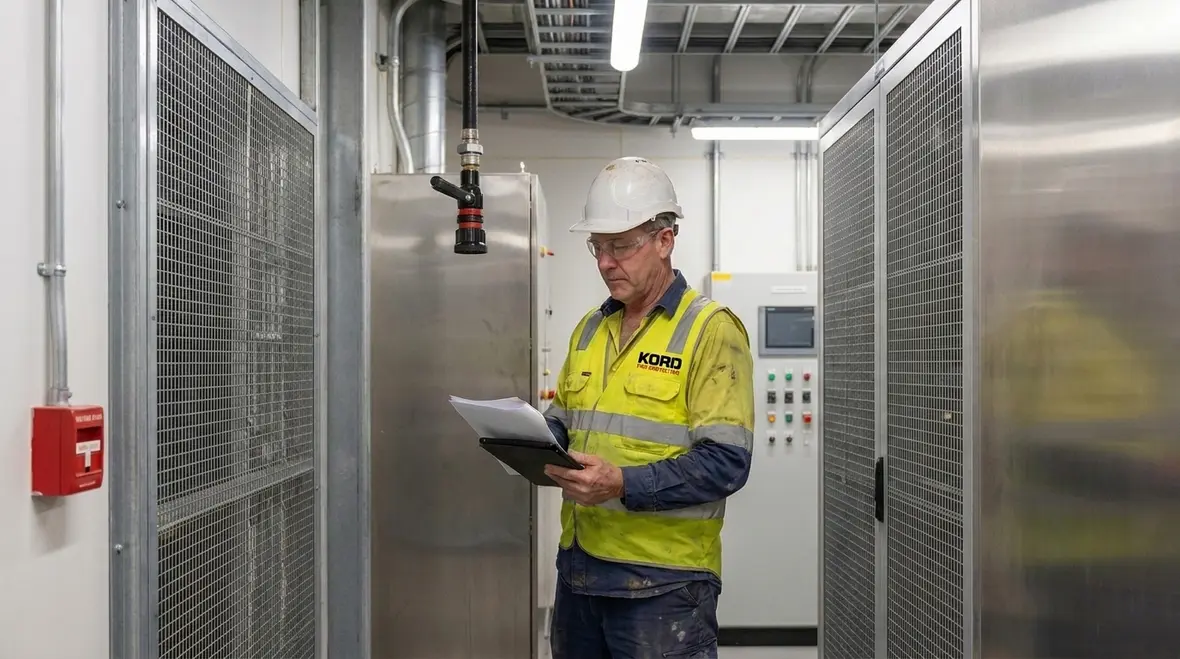
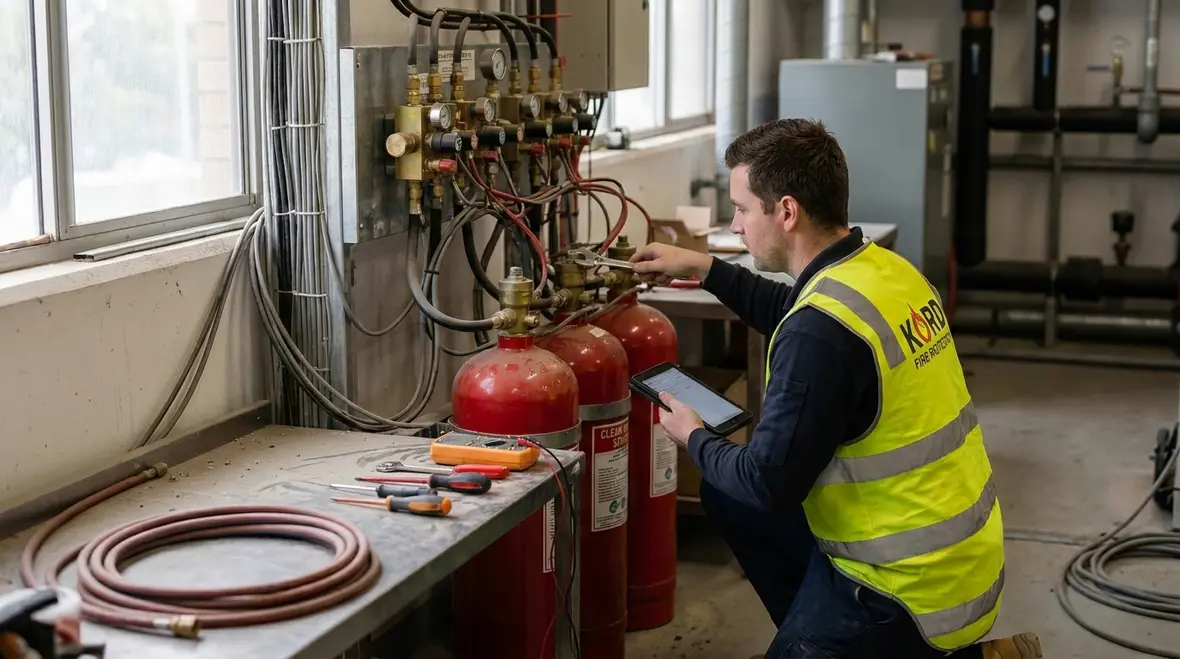
Kord Fire Protection can become a vital partner because this kind of work needs more than product supply. It needs design support, hazard review, compliance knowledge, and careful installation. A good partner helps assess whether NFPA 2001 local application systems clean agent fire protection truly fits the site, then shapes the system around the actual risk.
That support matters during every stage. First, the site needs a clear review of the hazard. Next, the design must match the layout and agent needs. Then, installation, testing, and ongoing service must all line up so the system performs when it counts. In other words, the difference between a decent system and a strong one often comes down to the team behind it.
Design Support Is Where the Win Starts
A lot of fire protection headaches begin long before a system ever discharges. They start when a hazard is poorly defined, when nozzle coverage is not matched to the real geometry, or when maintenance expectations are treated like an afterthought. Strong support on the front end helps avoid those problems. It also gives facility owners a more confident answer to the question everyone eventually asks: will this system actually do what we need it to do?
Why the Right Design Decision Protects More Than Equipment
The right choice does more than protect assets. It also protects operations, staff confidence, and recovery time. When a system matches the hazard, it can lower the chance of unnecessary shutdowns and simplify return to service. That is a serious advantage in busy facilities where every delay can ripple through production, sales, and service.
Moreover, the decision supports smarter spending. Instead of over protecting a small hazard with a whole room system, the facility can use a focused solution that suits the site. So, the budget goes where it should, and the fire protection strategy stops acting like it has a Hollywood budget for a radio play.
Better Fit Usually Means Better Recovery
Recovery is where good design proves its value. A well targeted system can reduce interruption to nearby operations, limit collateral mess, and get teams back to normal faster. That does not just protect hardware. It protects schedules, output, customer expectations, and the sanity of whoever gets the first phone call when something goes wrong.
FAQ
Conclusion
For facilities that need focused fire protection, NFPA 2001 local application systems clean agent fire protection can offer a smart, efficient answer. It gives teams a way to protect fixed hazards with more precision, less unnecessary agent use, and a clearer path to faster recovery when compared with broader approaches that may not match the actual risk.
Kord Fire Protection can help assess the hazard, shape the design, and keep the system ready for duty. For sites that cannot afford guesswork, that kind of support is worth its weight in calm. And honestly, calm is a pretty good thing to have on hand when the alternative is chaos with a siren.

Join Our Newsletter!
Get the latest fire safety tips delivered straight to your inbox From our Newsletter.