NFPA 2001 Section 8.2 Application Density for Local Clean Agent
Quick Answer
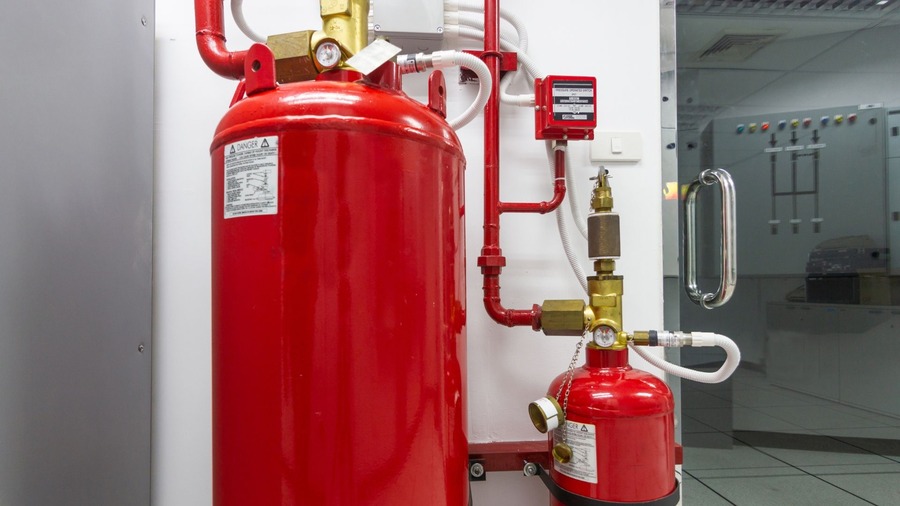
NFPA 2001 Section 8.2 guides how to calculate the correct agent amount for local clean agent systems so protected equipment gets fast, accurate coverage. In practice, that means matching discharge density to the hazard, room shape, and nozzle layout. Kord Fire Protection can help design, calculate, install, and maintain these systems with confidence.
When a business needs NFPA 2001 application density local agent fire suppression, the goal is simple: protect critical assets before a small fire turns into a costly shutdown. In industrial plants, retail back rooms, data zones, electrical rooms, and commercial facilities, this work depends on accurate design. Section 8.2 of NFPA 2001 sets the method for application density calculations in local clean agent systems, and that detail matters. A system that is too light will miss the hazard. A system that is too heavy can waste agent and add cost. Either way, the outcome is messy, and fire does not care about tidy budgets.
Near the start of planning, it also helps to connect the code discussion to a real service path. Kord Fire Protection offers fire suppression services for commercial and industrial facilities, including clean agent systems, installation support, inspections, and maintenance. That makes it easier to move from “we should probably handle this” to an actual plan without holding five meetings and producing one heroic spreadsheet.
What Section 8.2 Means in Plain Terms
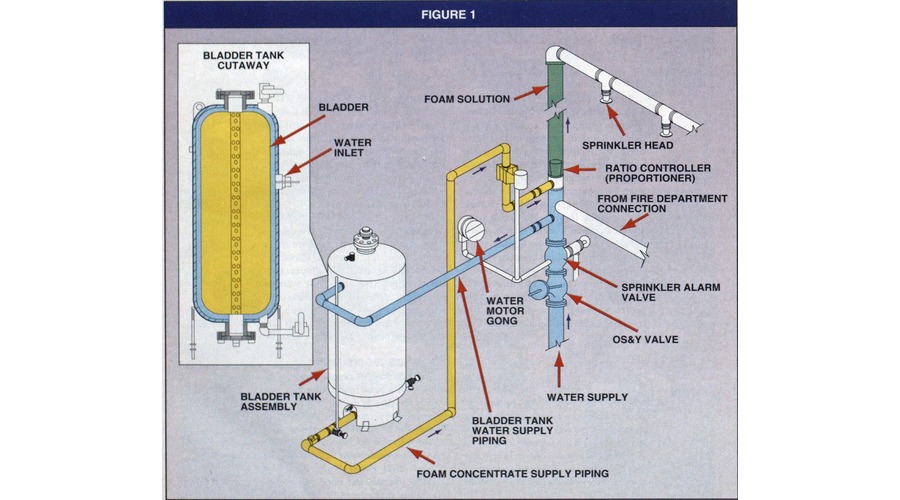
Section 8.2 tells designers how to work out the right amount of clean agent needed to protect a specific hazard area. Unlike total flooding systems, local application systems focus on a defined target, such as a machine, conveyor, switchboard, process line, or another concentrated risk point. Therefore, the calculation must account for the exact hazard footprint and how the agent will actually reach it during discharge.
In simple terms, the designer studies the hazard, the discharge pattern, the height, and the spacing. Then the application density is set so the agent covers the fuel source with enough concentration to stop ignition or knock down the fire quickly. That is the kind of number that separates a well planned system from a very expensive science experiment.
Local application is all about the target
That targeted approach is why application density matters so much. A local clean agent system is not trying to control every cubic inch of an entire room. It is trying to place the agent where the fire risk actually lives. If the designer misses the true footprint of the hazard, the system can look perfect on paper and still underperform when it counts. That is not a fun surprise for anybody standing near a very expensive piece of equipment.
Why Application Density Matters for Local Clean Agent Systems
Application density affects performance, safety, and compliance. First, it controls whether the system can suppress a fire at the source. Second, it helps reduce downtime by protecting only the needed zone. Third, it supports code based design, which matters when insurers, auditors, and facility managers start asking hard questions.
For industrial and commercial sites, this is not just paperwork. Clean agent systems often protect valuable equipment that cannot simply be hosed down and restarted like a movie prop. Electronics, control panels, and sensitive process gear need a clean response. Therefore, correct density calculation protects both property and continuity.
What strong density planning supports
- Fast agent coverage over the actual hazard
- Better suppression performance at the ignition point
- Reduced collateral impact on nearby assets
- Cleaner documentation for compliance reviews
What poor density planning risks
- Weak coverage or missed discharge zones
- Higher agent use than the hazard requires
- Costly redesigns after installation
- A system that looks compliant but behaves badly
How the Density Calculation Works
The calculation starts with the protected hazard. Next, the designer identifies the agent type, nozzle arrangement, and protected area size. Then the system must deliver the needed concentration across the target surface or volume, depending on the design method used. That sounds straightforward until the real world shows up with odd equipment heights, awkward framing, cable trays, duct runs, and the occasional obstruction that appears to have been installed by someone who hated future engineers personally.
Several factors shape the result:
- Hazard size and shape
- Height of the protected equipment
- Obstructions that may block agent flow
- Nozzle spacing and discharge pattern
- Ventilation and leakage conditions
- Agent type and its discharge characteristics
Because these factors interact, a site walk and proper engineering review matter. A shortcut can leave blind spots. And blind spots, as everyone knows, are where trouble likes to sit and wait like a villain in a superhero sequel.
Why nozzle layout changes everything
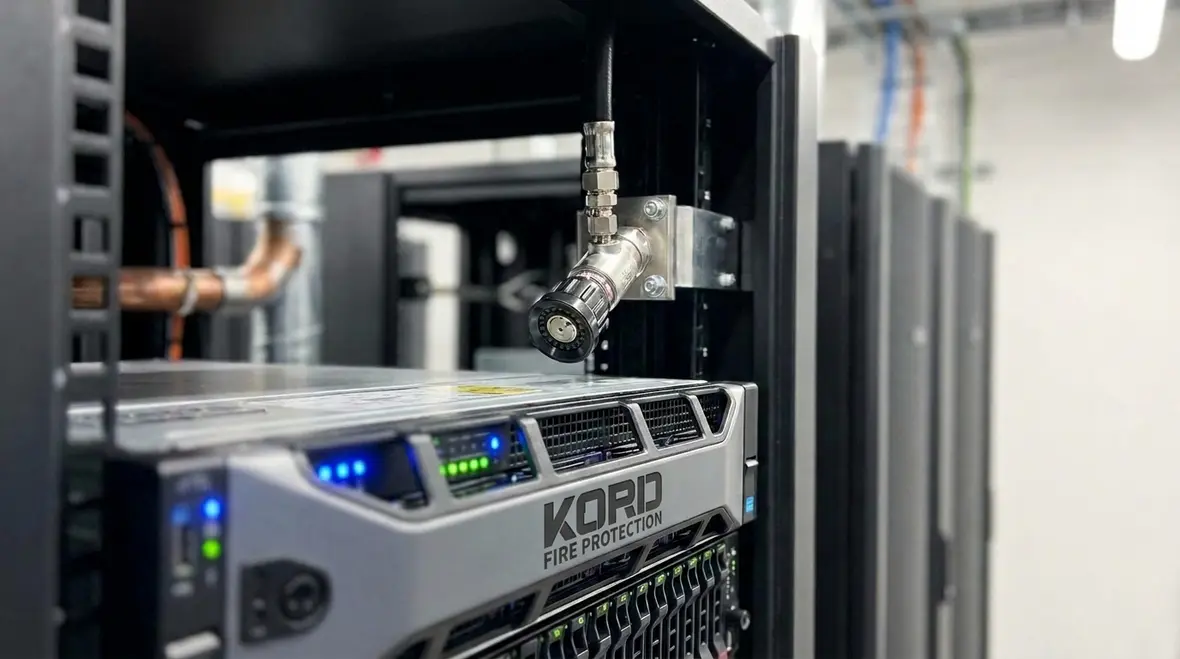
Nozzle layout is where the math becomes physical reality. The wrong spacing can leave weak spots. The wrong height can distort the discharge pattern. The wrong orientation can send agent where it looks dramatic but does not actually protect the risk. When designers evaluate density with nozzle performance in mind, they give the system a real chance to do its job instead of merely participating in the concept of fire safety.
For teams reviewing broader clean agent design principles, Kord Fire Protection also has a related resource on NFPA 2001 guidelines for clean agent fire suppression systems. It fits naturally alongside Section 8.2 because density calculations only work well when the rest of the system strategy makes sense too.
Common Design Checks Before Commissioning
Facilities teams often need systems that fit strict operational needs without slowing production. As a result, design reviews usually include clear checks for asset layout, access routes, safety release, and control interfaces. In addition, designers should confirm that the local clean agent system suits the room conditions and the protected equipment type.
| Design Focus | What It Achieves |
|---|---|
| Hazard mapping | Shows the exact area that needs protection |
| Density calculation | Confirms the right agent amount reaches the hazard |
| Nozzle layout | Improves coverage and reduces weak spots |
| System testing and review | Helps verify performance before commissioning |
This is where NFPA 2001 application density local agent fire suppression becomes more than a code phrase. It becomes the backbone of a system that actually works when the alarm sounds and everyone suddenly remembers how much they enjoy uneventful days.
Where Kord Fire Protection Adds Real Value
Kord Fire Protection can become a vital partner because this kind of work demands more than basic installation. It needs assessment, design skill, compliance knowledge, and practical site experience. Moreover, Kord Fire Protection can help facilities choose the right approach for industrial, retail, commercial, and mission critical environments.
Their support can include hazard review, application density planning, system design input, installation coordination, testing, and ongoing maintenance. Therefore, clients gain one partner who understands both the technical rule set and the real world demands of busy sites. That matters when a shutdown window lasts shorter than a coffee break.
Service is what keeps design useful
A great calculation still needs proper installation, controls integration, testing, and follow-through. That is why the service side matters. Kord Fire Protection’s clean agent resources consistently tie planning to commissioning and maintenance, which is the practical bridge between “compliant design” and “working system.” Fire codes are important. So is having somebody who can show up, review the hazard, and make sure the hardware is not pretending to help.
Why Ongoing Service Keeps the System Ready
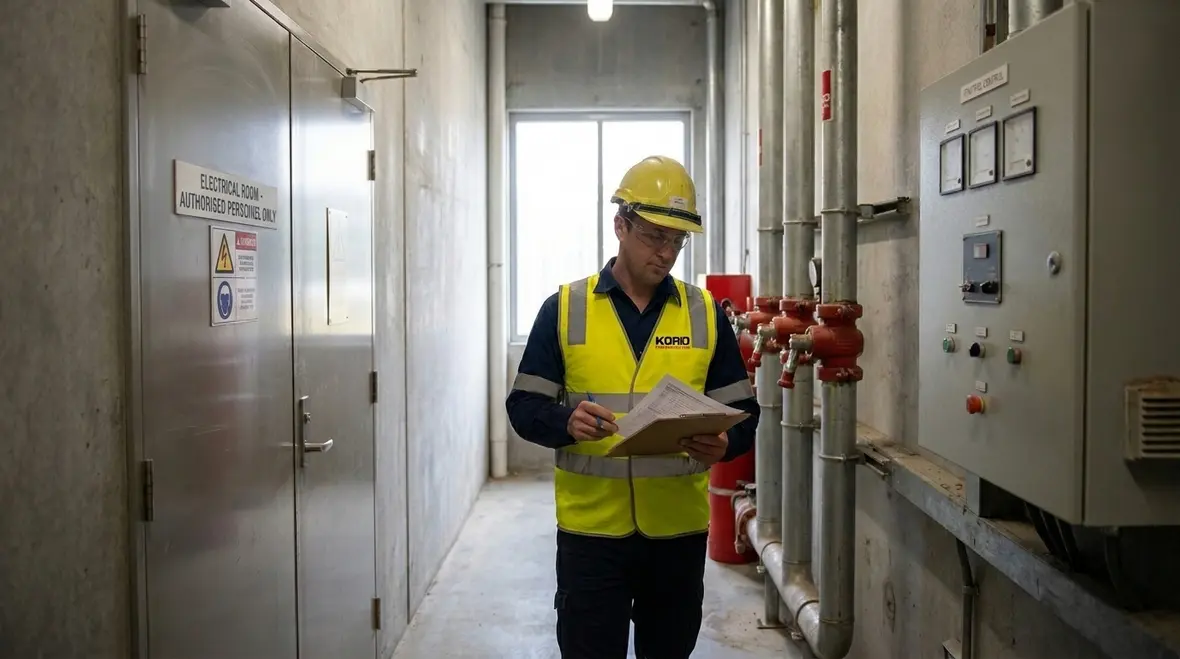
A clean agent system is not a fit and forget solution. Over time, equipment changes, storage layouts shift, and airflow conditions can change. As a result, the original density calculation may need review. Regular inspections help confirm that nozzles stay clear, controls stay functional, and the hazard area still matches the design.
In addition, ongoing service supports compliance and helps reduce the risk of failure during a fire event. For facilities with high value assets or critical operations, that peace of mind is worth far more than a neglected annual check. It is one thing to install a system. It is another thing entirely to keep it ready after room changes, upgrades, and the mysterious appearance of new obstructions that nobody claims to have added.
FAQ
Protect the Hazard Before It Becomes the Story
When a site needs NFPA 2001 application density local agent fire suppression, accuracy is everything. Therefore, facilities should work with a partner that knows the code, the equipment, and the pressure of keeping operations moving. Kord Fire Protection can help deliver a system that protects critical assets and supports business continuity.
The fire may not send an invitation, but the right system can still be ready for it. And that is the whole point of Section 8.2 in practice: not just having a number on paper, but having a system that covers the hazard fast, cleanly, and with the kind of confidence that makes the rest of the day a lot less exciting.

Join Our Newsletter!
Get the latest fire safety tips delivered straight to your inbox From our Newsletter.