NFPA 20 Section 14.1 14.2 Fire Pump Flushing Testing Preparation
Quick Answer: NFPA 20 Sections 14.1 to 14.2 focus on fire pump flushing, hydrostatic testing, and acceptance test prep. These steps protect the system, confirm water flow, and reduce surprises during commissioning. Facilities often turn to kord fire protection as a vital partner to plan, execute, and document each required activity.
In facilities where timing, water flow, and life safety all have to agree with each other, fire pump prep is not the glamorous part of the job. Still, it is the part that keeps the glamorous part, meaning a successful acceptance test, from turning into a public performance of confusion. NFPA 20 Sections 14.1 and 14.2 matter because they guide flushing, hydrostatic testing, and the readiness work that proves the pump will perform when it matters most. For teams that need broader system support, Kord Fire also offers fire pump services that fit naturally into inspection, testing, and commissioning planning.
Now, let’s slow it down and make it clear, because nobody wants a fire pump that behaves like a mystery novel. They want it to behave like a professional. And professionals, thankfully, do not rely on plot twists to deliver water pressure.
Why NFPA 20 Section 14.1 sets the tone for pump flushing
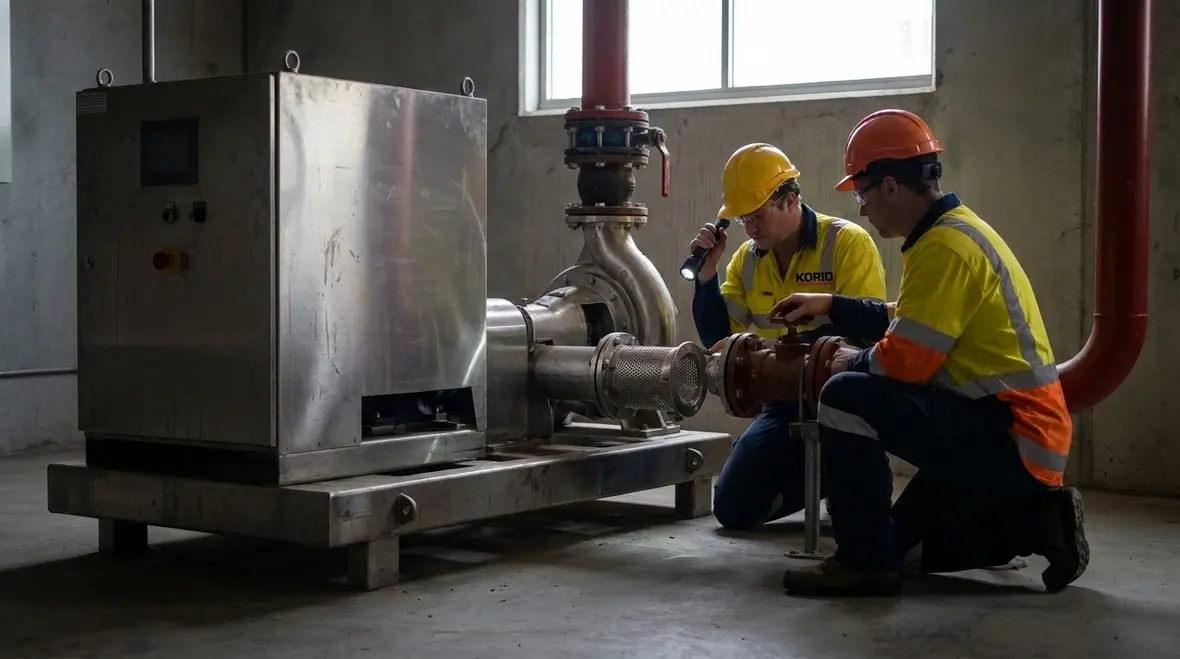
NFPA 20 Section 14.1 addresses flushing, and it does so for one practical reason: cleaning the system so performance matches design. When a fire pump goes into service, it sits alongside new piping, welds, thread sealant, debris from construction, and sometimes old residue from alterations. As a result, the suction and discharge paths can carry contaminants that affect flow, pressure, and reliability.
During flushing, the goal stays consistent. Operators remove loose solids and flush out construction debris before acceptance testing begins. Additionally, they confirm that the pump suction conditions remain stable and that the system can deliver water smoothly. If the flushing step gets treated like a checkbox, acceptance testing later can turn into a troubleshooting marathon. Nobody enjoys that. Not even superheroes, and they usually have capes. Real facilities have downtime.
What good flushing preparation really looks like
Good flushing prep usually starts before anyone opens a valve. Teams review the piping path, identify low points where debris may collect, confirm discharge routing, and make sure the water supply can support the activity without introducing new headaches. That sounds obvious, but obvious things have a strange habit of becoming invisible when schedules get tight. A calm pretest review prevents the sort of frantic mid-test conversations that begin with, “Wait, who checked that?”
For readers who want broader code context around how these testing stages fit the system as a whole, Kord Fire’s guide on how NFPA 20 regulates fire pump systems offers a helpful overview that connects design intent, installation, and performance expectations.
How hydrostatic testing under Section 14.2 validates the system
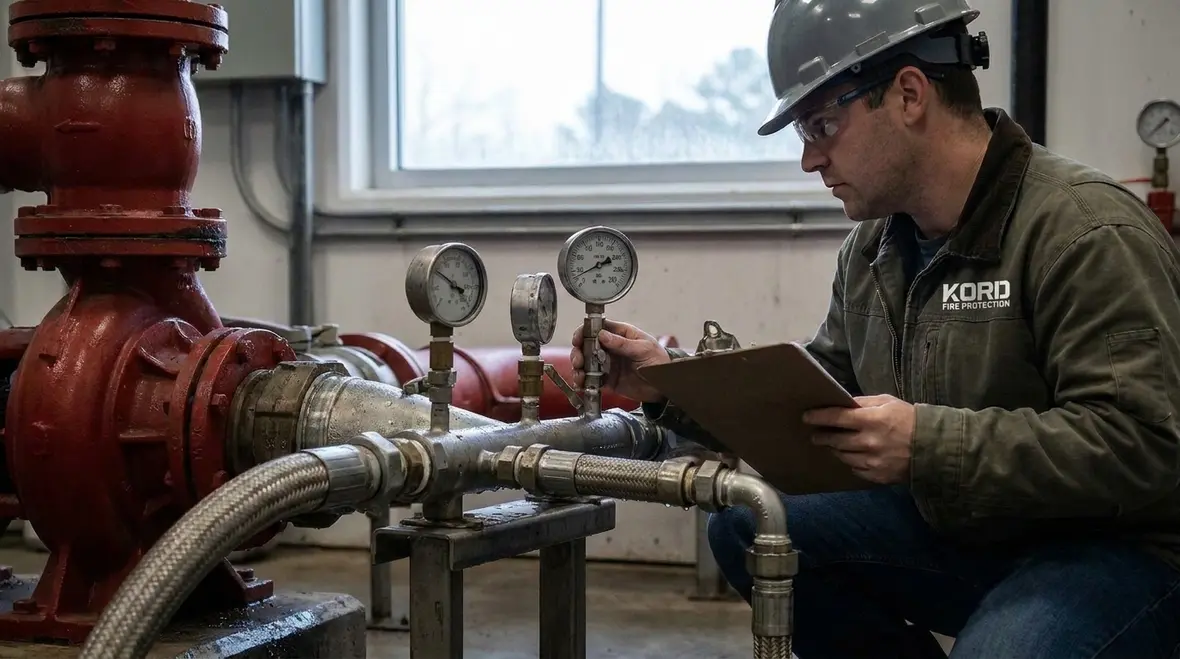
NFPA 20 Section 14.2 focuses on hydrostatic testing, which checks pressure tightness and system integrity. In simple terms, a hydrostatic test proves that the pump discharge piping, fittings, and related components hold pressure under controlled conditions. Therefore, it helps prevent leaks that could undermine system performance or create a safety risk.
Hydrostatic testing also supports a key business goal: reducing costly retesting. If the system fails pressure integrity after acceptance prep begins, teams lose time, and stakeholders lose patience. That is why hydrostatic testing normally happens before acceptance test execution, and it follows the required pressure, duration, and monitoring approach in the standard.
This step also creates confidence across the project team. Owners want fewer surprises, project managers want fewer delays, and technicians want a system that behaves predictably instead of creatively. Hydrostatic testing helps all three groups sleep better. Or at least complain less, which in construction is basically the same thing.
Why hydro tests save more than just compliance headaches
A hydro test is not just a technical ritual performed to satisfy a line item. It is one of the clearest ways to find weak joints, overlooked fittings, or installation issues before the full acceptance sequence begins. If those issues wait until the main testing window, they tend to appear at the worst possible time, often while multiple stakeholders are standing nearby and trying very hard not to look irritated. Preparation is cheaper than retesting, and retesting is cheaper than failure, but everyone would prefer to stop at preparation.
Acceptance test readiness: the hidden work that saves days
With flushing and hydrostatic testing addressed, a site still must become ready for acceptance testing. This is where fire pump acceptance test preparation NFPA 20 comes into play in the real world. Preparation includes verifying that work required before acceptance tests gets completed, confirmed, and recorded so the test results can be trusted.
Acceptance readiness typically includes system condition checks, control logic verification, and evidence that the pump room and controls match the intended configuration. Furthermore, teams often confirm that suction conditions align with design intent, including strainer condition, valve positions, and any check mechanisms that could influence flow.
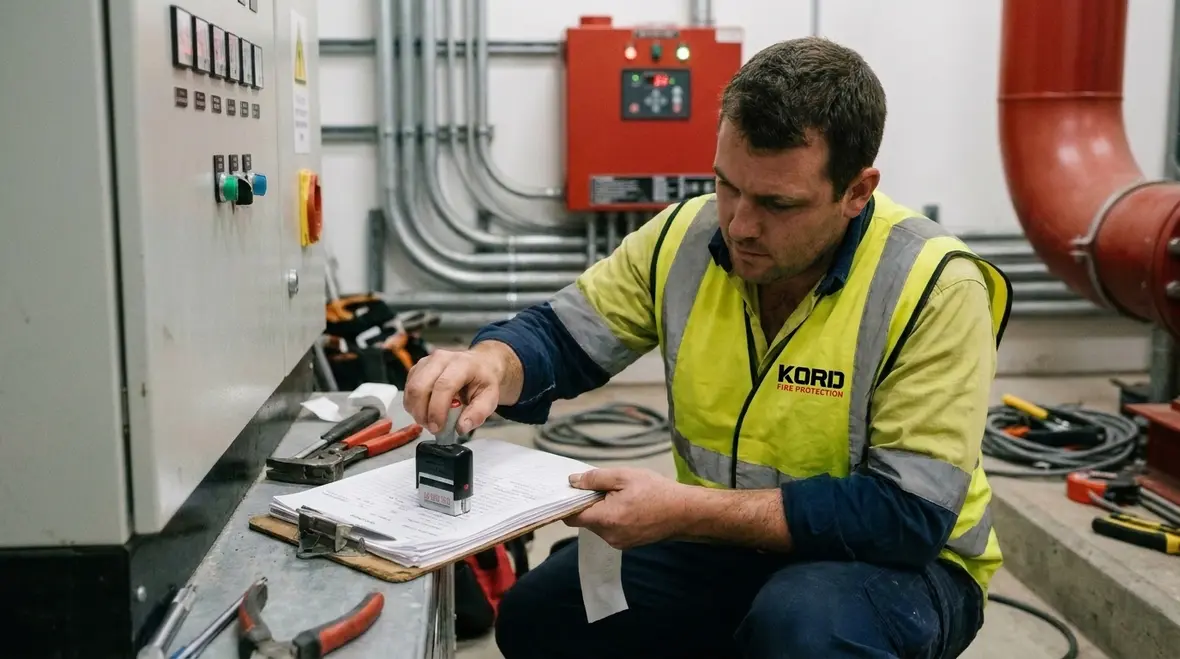
Also, the “paperwork matters” part is not a cliché. Acceptance testing relies on clean records: what got installed, what got tested, what got corrected, and what was witnessed. When documentation arrives late, decision making slows down. When documentation arrives early, the whole process runs like it should.
Documentation is not boring when it saves the day
Nobody frames a test log and hangs it in the lobby, but that does not make it unimportant. Accurate documentation supports traceability, helps resolve disputes quickly, and gives everyone a shared reference point when questions arise. Without it, people start relying on memory, and memory is a remarkably confident liar. A complete readiness package keeps the process grounded in facts instead of hopeful storytelling.
Operational impacts in facilities, and how to plan around them
Industrial sites, retail precincts, and multi-use facilities share one trait: time is expensive. Therefore, flushing, hydrostatic testing, and preparation work must integrate with site schedules. Many owners and facility managers want to avoid disruptions, yet they still need the system proven end-to-end.
Teams typically plan around water supply management, access to pump rooms, and temporary shutdown considerations. In addition, they schedule witness availability from relevant parties so the site does not need repeats. When a project stretches across multiple stakeholders, coordination becomes the difference between a smooth commissioning window and a scramble.
Here is where kord fire protection often becomes more than “just the contractor.” They act like a vital partner because they help shape the work plan, align stakeholders, and keep testing steps tied to NFPA intent. In other words, they reduce the chaos that shows up when everyone assumes someone else will manage the details. That chaos is funny on TV. It is not funny on a live site.
Coordination beats last minute heroics
When testing is coordinated early, teams can secure water access, confirm safe discharge handling, line up witnesses, and verify that related trades are truly finished. When testing is coordinated late, everyone suddenly becomes an expert in blame. Early planning does not eliminate every issue, but it does keep small issues from turning into giant theatrical productions with radios, clipboards, and unnecessary panic.
What to verify before tests start, so results stay credible
Before flushing or hydrostatic testing begins, teams should confirm that the pump and system components are in the right state. They check that installation aligns with the submittals and that controls, gauges, and instrumentation work properly. Then they ensure that isolation valves and control interfaces sit in safe positions that support the required test sequence.
In many cases, the most common problems show up early when teams verify fundamentals:
- Valve alignment so suction and discharge flow paths match the test plan
- Gauge and sensing accuracy so readings during hydrostatic tests remain valid
- Strainer and suction cleanliness so flushing actually removes debris instead of smearing it around
- Documentation readiness so acceptance test evidence stays traceable
Additionally, teams should confirm that any corrective actions from earlier construction phases get completed before acceptance prep. Otherwise, you end up doing more work later, and that “later” has a habit of arriving during critical operations. Facilities have a talent for that. It is like the fire pump knows the calendar.
Working with kord fire protection as your project partner
When facilities need confidence, they do not just want a pass or fail. They want a process that stays controlled from flushing to acceptance readiness. That is where kord fire protection can become a vital partner with the service and job involved. They help manage the steps under NFPA 20 Sections 14.1 and 14.2, and they keep the acceptance test path clear.
Instead of treating flushing, hydrostatic testing, and readiness items as separate tasks, a coordinated approach connects them. Therefore, teams reduce delays, avoid repeat testing, and keep the system aligned with the standard’s intent. They also support smoother communication among owners, facilities, project managers, and any required witnesses.
And yes, there will always be someone who says, “It should work.” That is true in the way a cat should obey gravity. With the right testing discipline and clear evidence, the system performs on purpose, not hope.
FAQ: Fire pump testing and acceptance preparation
Conclusion: Get your pump ready for performance, not surprises
NFPA 20 Sections 14.1 and 14.2 guide flushing, hydrostatic testing, and the preparation work that protects acceptance outcomes. When teams execute these steps with clear planning and solid documentation, they reduce downtime and avoid repeat testing.
kord fire protection can act as your vital partner through the full process, from system checks to readiness for commissioning. If you are building, upgrading, or commissioning a fire pump, reach out and lock in a confident testing plan today.

Join Our Newsletter!
Get the latest fire safety tips delivered straight to your inbox From our Newsletter.