NFPA 1900 Section 7.10 Personnel Protection for Fire Apparatus
Quick Answer
NFPA 1900 Section 7.10 sets the bar for fire apparatus personnel safety by requiring proper protection for crews working around moving vehicles, hot surfaces, sharp edges, and active scene hazards. For industrial, retail, commercial, and facility teams across Australia, these fire apparatus personnel safety standards help reduce injury risk and keep response work safe, fast, and controlled.
In fire response work, the margin for error stays thin. That is why fire apparatus personnel safety standards matter so much. NFPA 1900 Section 7.10 focuses on protecting the people who operate, ride on, and work around fire apparatus. In practical terms, it helps crews stay safe while handling the real risks that come with emergency response. For industrial, retail, commercial, and facility environments across Australia, this is not theory. It is part of keeping people alive, equipment ready, and operations moving when the pressure rises.
For organisations looking to strengthen overall readiness, Kord Fire Protection’s full fire protection services bring sprinklers, alarms, extinguishers, suppression systems, and fire pump support under one roof, making it easier to keep critical systems inspection ready and coordinated when emergency access and crew safety matter most.
What NFPA 1900 Section 7.10 Means in Practice
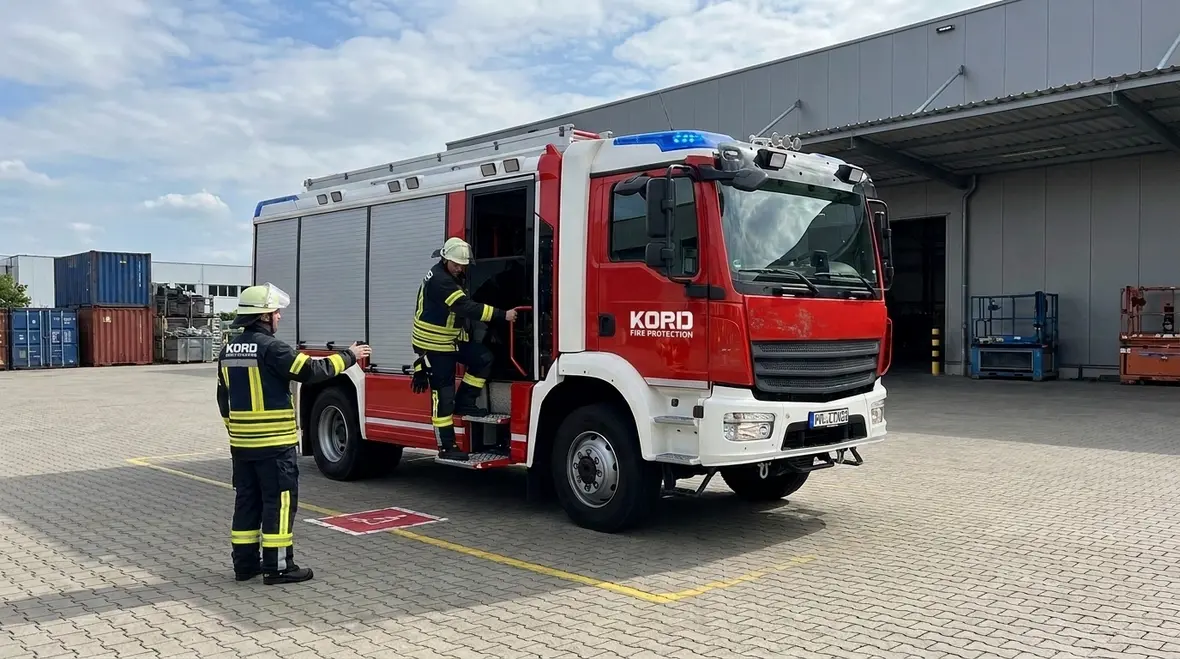
NFPA 1900 Section 7.10 centers on personnel protection requirements for fire apparatus. It calls for safeguards that reduce harm during mounting, dismounting, riding, operating, and working near the vehicle. These fire apparatus personnel safety standards support safer movement around the appliance, better visibility, and stronger control in risky conditions.
In plain language, the standard tells crews that the truck should not become another hazard in the middle of an already difficult job. That sounds obvious, but so did many bad ideas before paperwork and common sense finally met in a hallway. The point is simple: the apparatus must support the crew, not surprise it.
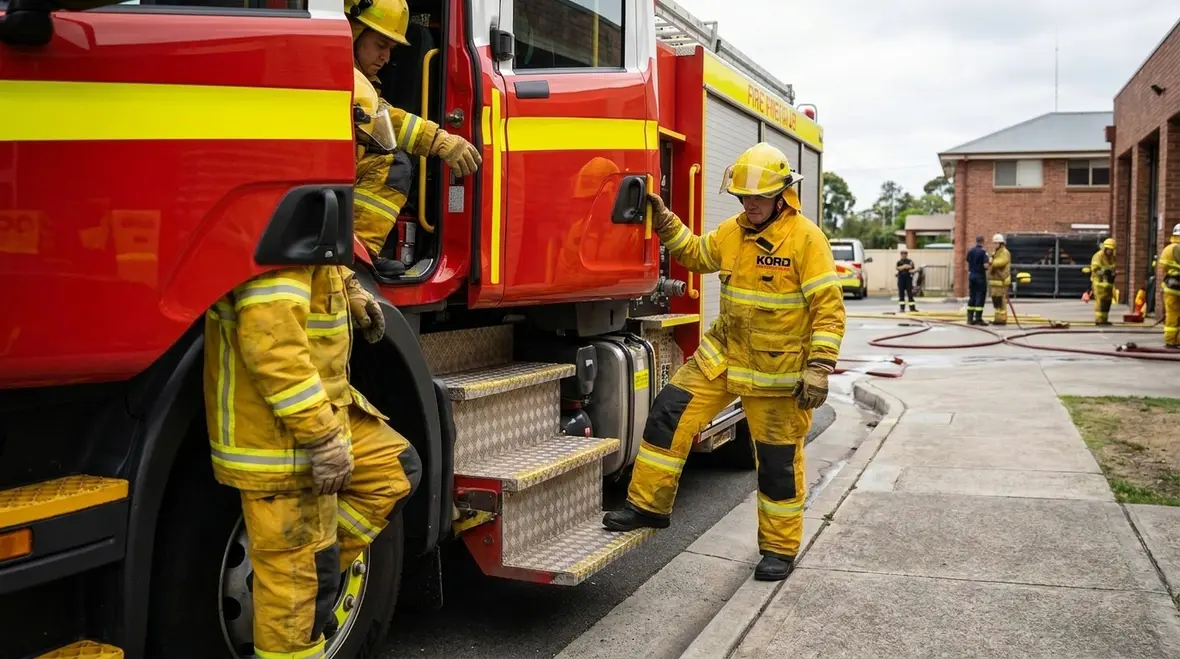
Why the Standard Reads Like Common Sense After Someone Got Hurt
That is really the heart of it. Safe steps, secure handholds, protected riding positions, and workable access zones are not decorative extras. They are controls that help reduce predictable injuries in unpredictable moments. Emergency scenes already bring enough chaos. Nobody needs the apparatus itself auditioning for the role of problem number three.
Why Personnel Protection Matters on Every Response
Fire apparatus crews deal with traffic, smoke, heat, wet ground, stress, and rapid decision making. Therefore, even a small slip can turn into a serious incident. Personnel protection rules help reduce injuries from falls, moving parts, and unsafe positioning near the vehicle.
For facilities teams, this matters because response scenes often sit inside active business areas. A warehouse, shopping centre, logistics hub, or plant floor can quickly become crowded and chaotic. So, fire apparatus personnel safety standards give teams a better base to manage risk before the scene turns into a full blown episode worthy of a dramatic soundtrack.
Busy Sites Add Extra Variables Fast
On a clean drawing board, apparatus movement looks easy. In a real facility, there are delivery vehicles, stored pallets, blind corners, slippery surfaces, awkward lighting, and people who somehow choose the exact wrong place to stand at the exact wrong time. Personnel protection standards help account for that reality by pushing safety into the design and operating environment instead of leaving everything to luck and reflexes.
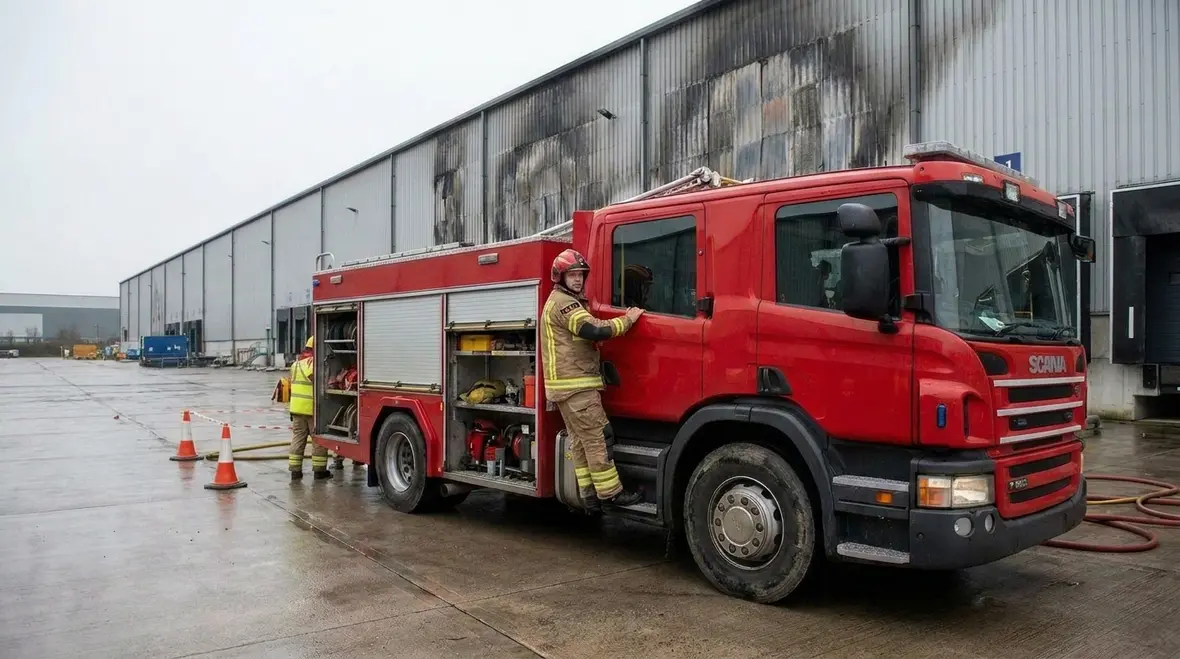
How the Standard Supports Safer Apparatus Design
Section 7.10 influences how apparatus should be set up for safer use. It supports features and practices that improve crew protection, such as secure steps, handholds, safe access points, and clear work zones around the vehicle. It also encourages designs that help operators stay steady and visible while moving in and out of the apparatus.
These details may seem small, yet they create real protection. A safe step matters when boots are wet. A strong handhold matters when conditions shift fast. A clear work zone matters when every second counts. Taken together, these fire apparatus personnel safety standards help reduce the kind of risk that only becomes obvious after something goes wrong.
That design mindset also connects naturally with Kord Fire Protection’s article on NFPA 1901 standards for fire apparatus safety and performance, which gives broader context around apparatus safety expectations and operational reliability.
Small Design Choices Carry Large Consequences
People rarely celebrate a well placed handhold with a standing ovation. Still, that is exactly the kind of humble detail that prevents a bad landing, twisted knee, or worse. Good apparatus safety is often quiet. It does not make a dramatic entrance. It simply keeps the day from getting more expensive and more painful than it already is.
What Industrial, Retail, and Facility Teams Need to Know
For Australian businesses, the value of this standard extends beyond fire brigades alone. Industrial, retail, and commercial sites often rely on fire response planning, site access control, emergency routes, and equipment compatibility. As a result, personnel protection rules shape how well fire apparatus can operate on site.
Teams should look at the following areas:
- clear access for emergency vehicles
- safe surface conditions near response points
- room for crews to move without strike hazards
- good lighting and site visibility
- layout choices that reduce congestion during an emergency
When these basics align, the apparatus crew can work with more confidence. That is where fire apparatus personnel safety standards move from technical language to real world value.
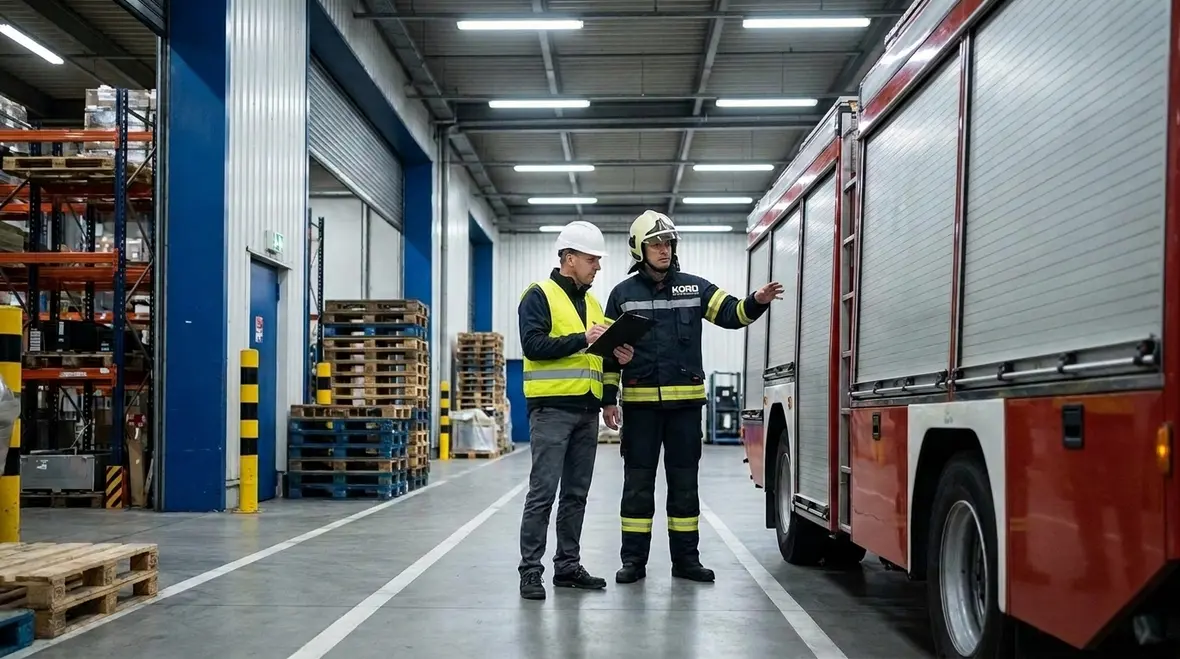
Site Readiness Is More Than a Checkbox
A response route that looked fine during a quiet inspection can become a maze once temporary storage, contractor traffic, or seasonal stock creep into the picture. That is why access planning needs regular review. If an apparatus arrives and finds a bottleneck, the standard has already done its job by warning everyone that preventable obstacles have consequences.
How Kord Fire Protection Can Help
Kord Fire Protection can become a vital partner in this service and job by helping organisations align fire systems, site readiness, and response planning with practical safety goals. In other words, Kord can help turn standards into action.
That support may include helping businesses assess fire safety risks, improve readiness, and strengthen the systems that emergency crews depend on. It can also help sites think through access, layout, and fire protection measures that support safer operations for both staff and responders. For a facility manager, that kind of help is worth its weight in gold. Or at least in extremely well managed copper and steel.
When a site works with a knowledgeable partner, it gains more than compliance support. It gains a better chance of making emergencies less messy, less delayed, and less dangerous. That is the quiet power of good preparation.
Dual View: Compliance and Real World Safety
Compliance view
NFPA 1900 Section 7.10 gives a clear framework for protecting personnel and reducing apparatus related injuries.
Operational view
Those same protections help crews move faster, stay balanced, and work with fewer interruptions on busy industrial and commercial sites.
This dual view matters because rules only help when they improve daily work. Fortunately, fire apparatus personnel safety standards do exactly that. They support safer habits, stronger equipment use, and smarter site planning.
Best Ways to Apply the Standard on Site
Organisations can put these ideas into practice by reviewing emergency access paths, checking site surfaces, improving lighting, and making sure response zones stay clear. They should also work with fire safety specialists who understand both the standard and the realities of Australian commercial operations.
Furthermore, routine checks help keep plans fresh. A site that looked clear six months ago may now have new racks, new stock, or new obstacles. As a result, ongoing review matters just as much as the original plan. The fire truck will not politely ask for more room. It will need it now.
If you are reviewing apparatus access and broader system readiness together, Kord Fire Protection’s dedicated page for fire sprinkler system service is a useful related resource for commercial properties that need reliable, NFPA compliant protection support.
FAQ
Build Safer Response Outcomes Now
NFPA 1900 Section 7.10 gives organisations a strong guide for safer fire apparatus use. For Australian industrial, retail, and commercial sites, the right fire safety partner can make all the difference. Kord Fire Protection can help strengthen readiness, support safer operations, and turn safety standards into practical results.
When the next emergency calls, preparation should not be the weak link. Stronger site planning, clearer access, and better coordinated protection systems give crews a safer place to work and businesses a better chance to keep an already hard day from getting worse.

Join Our Newsletter!
Get the latest fire safety tips delivered straight to your inbox From our Newsletter.