NFPA 1900 Section 21.13 Fire Truck Scene Lighting
Quick Answer: NFPA 1900 Section 21.13 sets the direction for scene lighting systems on fire apparatus, with a strong focus on safe placement, dependable performance, and enough light to work in high stress conditions. For industrial, retail, and commercial teams across Australia, it helps create safer night operations. Kord Fire Protection can support this work with expert service, testing, and maintenance.
Fire truck scene lighting NFPA 1901 has long guided how emergency crews see what they are doing when the dark tries to take over. Now, NFPA 1900 Section 21.13 keeps that same mission moving forward with clearer expectations for scene lighting systems on fire apparatus. For industrial plants, retail hubs, commercial sites, and facilities teams across Australia, this matters more than it sounds. Good lighting does not just help crews see a hose line or a hazard. It helps them move fast, work safe, and avoid the kind of mistake that makes everyone sigh into their coffee.
When a fire truck arrives, scene lighting can turn chaos into control. That is where Kord Fire Protection can become a vital partner, offering support that helps fire apparatus stay ready, compliant, and dependable when the call comes in. If your site is also reviewing broader fire protection servicing across the full lifecycle, that support fits naturally into a stronger readiness plan.
What NFPA 1900 Section 21.13 means for scene lighting
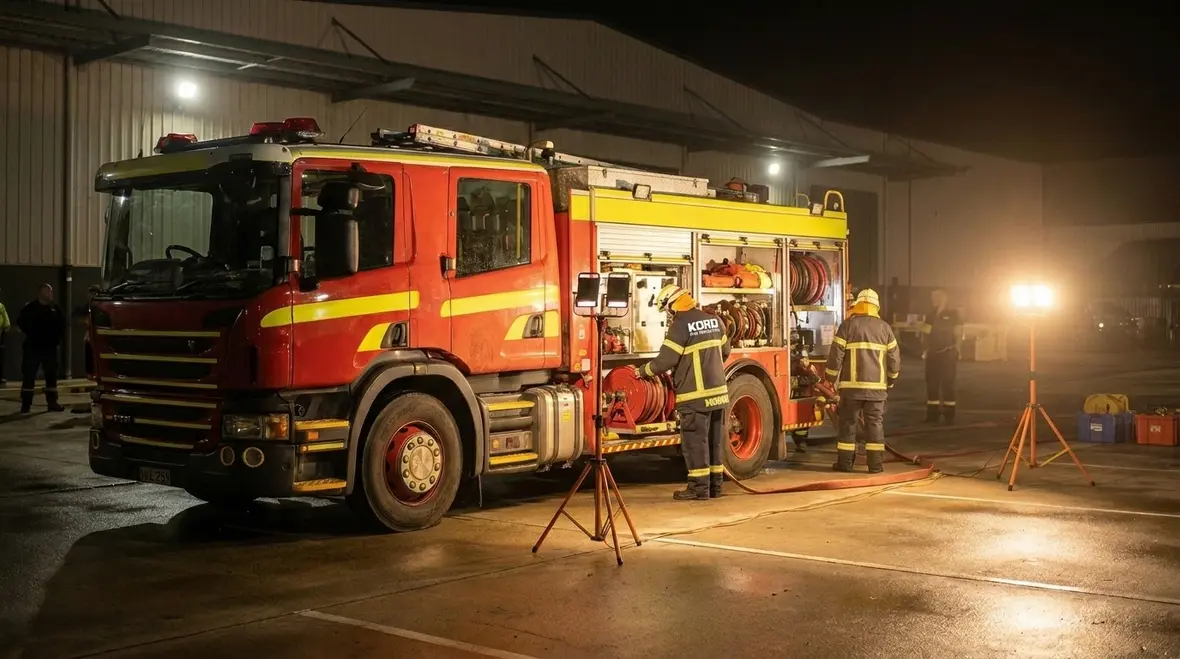
NFPA 1900 Section 21.13 focuses on the lighting needed around an emergency scene so crews can do their jobs without guessing. It covers practical expectations for placement, output, and operation of the lighting system on the apparatus. In plain terms, it asks a simple question: can the crew see enough to work safely and effectively?
This matters because scene lighting is not a nice extra. It supports rescue work, fire attack, equipment handling, and perimeter control. As a result, the lighting system must do more than shine. It must spread light where it helps most, avoid blind spots, and remain reliable in rough conditions.
Why this section matters beyond the truck itself
A fire apparatus does not respond into a perfect studio set with flattering angles and polite weather. It rolls into smoke, uneven ground, rain, traffic, machinery, and a whole lot of pressure. Scene lighting helps crews establish a work area that feels controlled instead of improvised. For facility leaders, that means the lighting system supports not just the brigade or responding crew, but everyone nearby who depends on a safer, clearer operating space.
That wider context is why the standard matters to industrial, retail, and commercial properties across Australia. Emergency lighting on the apparatus becomes part of the site’s practical response capability, especially after hours when yards, loading areas, and access routes are doing their best impression of a black hole.
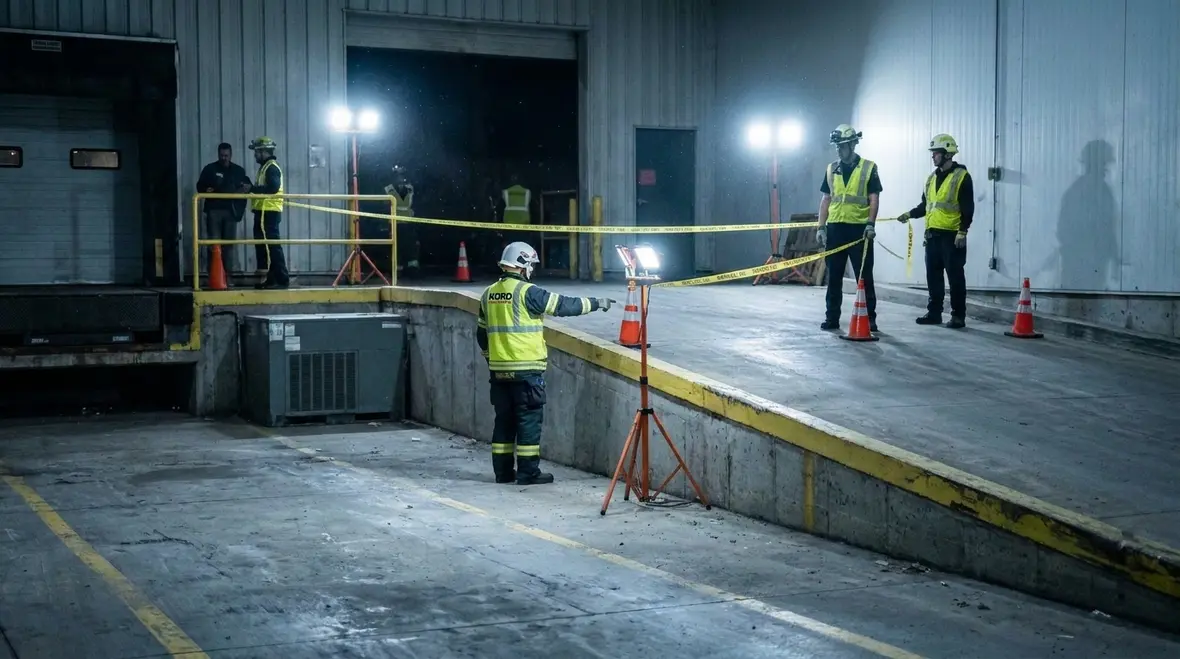
How fire truck scene lighting supports safe operations
Fire truck scene lighting NFPA 1901 standards shaped a long history of safer emergency response, and the intent still carries forward in NFPA 1900. Good lighting helps crews spot trip hazards, read controls, identify victims, and avoid collisions with tools or vehicles. It also helps incident commanders manage the scene with better visibility.
For industrial and commercial sites, this point hits home fast. A warehouse yard, loading bay, fuel area, or plant floor can become a maze at night. Therefore, strong scene lighting helps reduce risk during fire response, spill events, or equipment emergencies. It is the difference between calm control and the kind of scramble that nobody puts on a safety poster.
Visibility affects speed, coordination, and judgment
When crews can see clearly, they make better decisions faster. Hose deployment becomes smoother. Tool retrieval stops being a guessing game. Access to control panels, hydrants, shutoffs, and rescue points becomes more direct. Even communication improves, because people can see gestures, faces, and movement rather than shouting into the dark like it owes them money.
This is also where routine support and standards awareness connect. Teams that already prioritize readiness often gain value from related guidance around apparatus and response standards, including Kord Fire Protection’s coverage of the NFPA 1900 standard, which helps frame the bigger picture behind fire apparatus safety expectations.
What facilities teams should look for in a lighting system
Facilities managers and safety leaders should focus on a few core points when reviewing apparatus lighting support:
- Enough light coverage around the work zone
- Reliable operation under heat, dust, vibration, and weather
- Easy controls that crews can use under pressure
- Placement that limits shadows and harsh glare
- Strong upkeep so the system works when needed
These points matter across Australia, where climate, work sites, and response areas can vary widely. A coastal industrial site may deal with salt and corrosion. A mining support facility may face dust and vibration. Meanwhile, a retail distribution centre may need lighting that works fast in large open yards. Each site brings its own demands, and the system must keep up.
Questions worth asking during review
A useful review is not just, “Do the lights turn on?” It should also ask whether the coverage is practical, whether controls are intuitive, whether mounts stay secure, and whether maintenance records show recurring faults. If the answer to every reliability question is a shrug and a hopeful expression, that is not really a strategy. It is more of a gamble with very bad timing.
Compliance focus
NFPA 1900 Section 21.13 guides how the scene lighting system should perform on fire apparatus.
It supports safer use through better light coverage and dependable function.
It helps teams keep equipment aligned with modern fire service expectations.
Operational benefit
Crews work faster because they can see hazards and tools more clearly.
Incident scenes feel more controlled, even in poor weather or low light.
Facilities and response teams gain confidence that the apparatus can support the job.
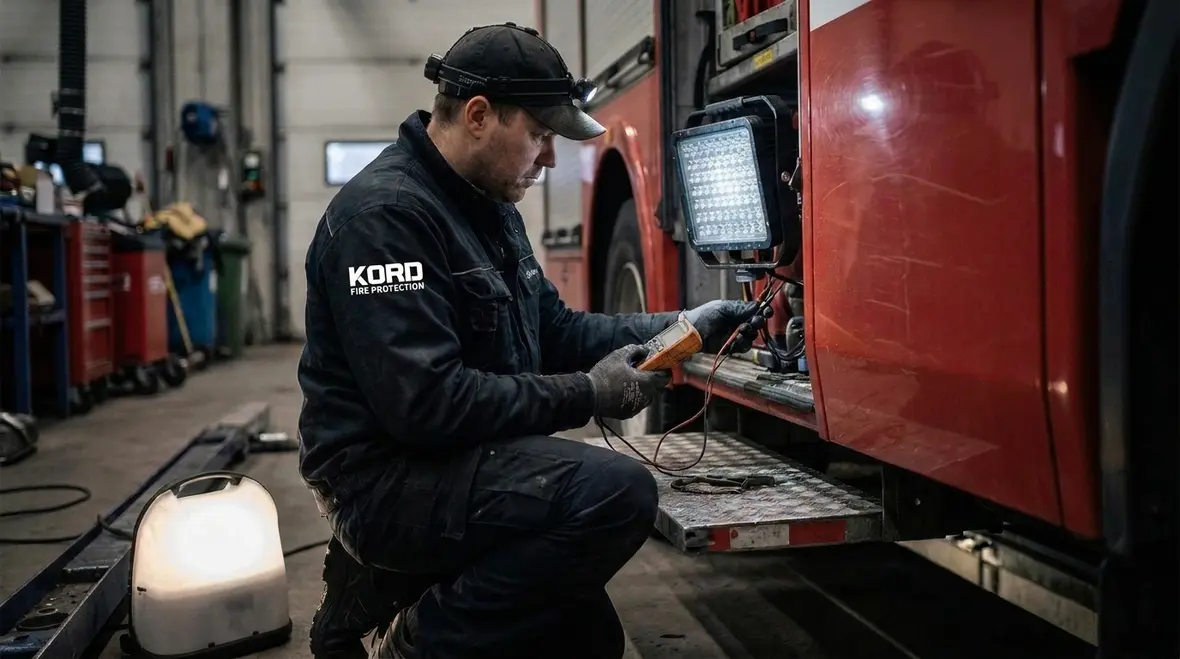
Why maintenance matters as much as design
Even the best lighting system can fail if nobody checks it. That is the part many people forget until a bulb goes out at the worst possible moment, which, naturally, is when the universe likes its jokes. Regular inspection, testing, and service help keep scene lighting ready for action. Wiring, mounts, switches, lenses, and power systems all need attention.
For commercial and industrial fleets, maintenance also protects uptime. A truck out of service for lighting faults can slow emergency response and place more pressure on the whole site. Therefore, preventive care makes both safety and business sense.
A dependable routine beats a last minute scramble
Organizations should treat scene lighting as part of the wider emergency response system. That means including it in routine checks, service plans, and fleet reviews. It also means working with providers who understand fire apparatus demands, not just general equipment upkeep. A structured approach usually creates calmer audits, better repair planning, and fewer ugly surprises when crews need immediate response capability.
This thinking aligns neatly with Kord Fire Protection’s broader emphasis on lifecycle servicing and preventive support. When maintenance becomes habitual rather than occasional, readiness stops being a slogan and starts behaving like a real operational advantage.
How Kord Fire Protection becomes a vital partner
Kord Fire Protection can support fire apparatus owners, fleet managers, and facility leaders with expert service that keeps scene lighting systems dependable. Their role goes beyond simple repair. They help teams maintain readiness, spot issues early, and support compliance through proper care and inspection.
That support matters because emergency gear rarely asks for a convenient breakdown. It waits until the pressure is on. With the right partner, teams can reduce downtime, improve confidence, and keep their apparatus ready for industrial yards, retail sites, and commercial facilities across Australia.
Support that fits real world facility demands
Large sites do not need vague promises. They need scheduled testing, useful reporting, practical fault response, and technicians who understand that disruption costs money. Kord Fire Protection fits that role by supporting inspection, maintenance, and performance checks in ways that help teams stay compliant while keeping day to day operations moving.
How to strengthen readiness across industrial and commercial sites
Organizations should treat scene lighting as part of the wider emergency response system. That means they should include it in routine checks, service plans, and fleet reviews. It also means they should work with providers who understand fire apparatus demands, not just general equipment upkeep.
When teams build that habit, they improve response speed and lower risk. Moreover, they create a more reliable safety net for night work, weather events, and after hours incidents. In short, good lighting helps good crews do excellent work without tripping over the dark like a sitcom character with a flashlight.
FAQ
Conclusion
NFPA 1900 Section 21.13 gives fire apparatus lighting a clear job, and that job is simple: help crews work safely and well when the light fades. For industrial, retail, and commercial operations across Australia, the right support matters.
Kord Fire Protection can help keep scene lighting systems reliable, compliant, and ready, so teams stay prepared when the alarm sounds. That way, when the dark tries to cause trouble, the truck is not showing up with crossed fingers and a polite apology.

Join Our Newsletter!
Get the latest fire safety tips delivered straight to your inbox From our Newsletter.